
50 years in Amador County · Lifetime warranty · Free in-home estimates
Rated 4.8 from 89 Google reviews
“JP helped us with flooring throughout our whole house. From helping us with estimates, picking out flooring and making sure we had prompt, excellent installation. JP even stayed in contact with the painter and coordinated with them so we didn't have to worry about anything. The floors came out amazing and now we are working with owners, Chad and Taylor for our Window coverings.”
01 / 05
Related Carpet Options
Explore other carpet styles and projects we handle.
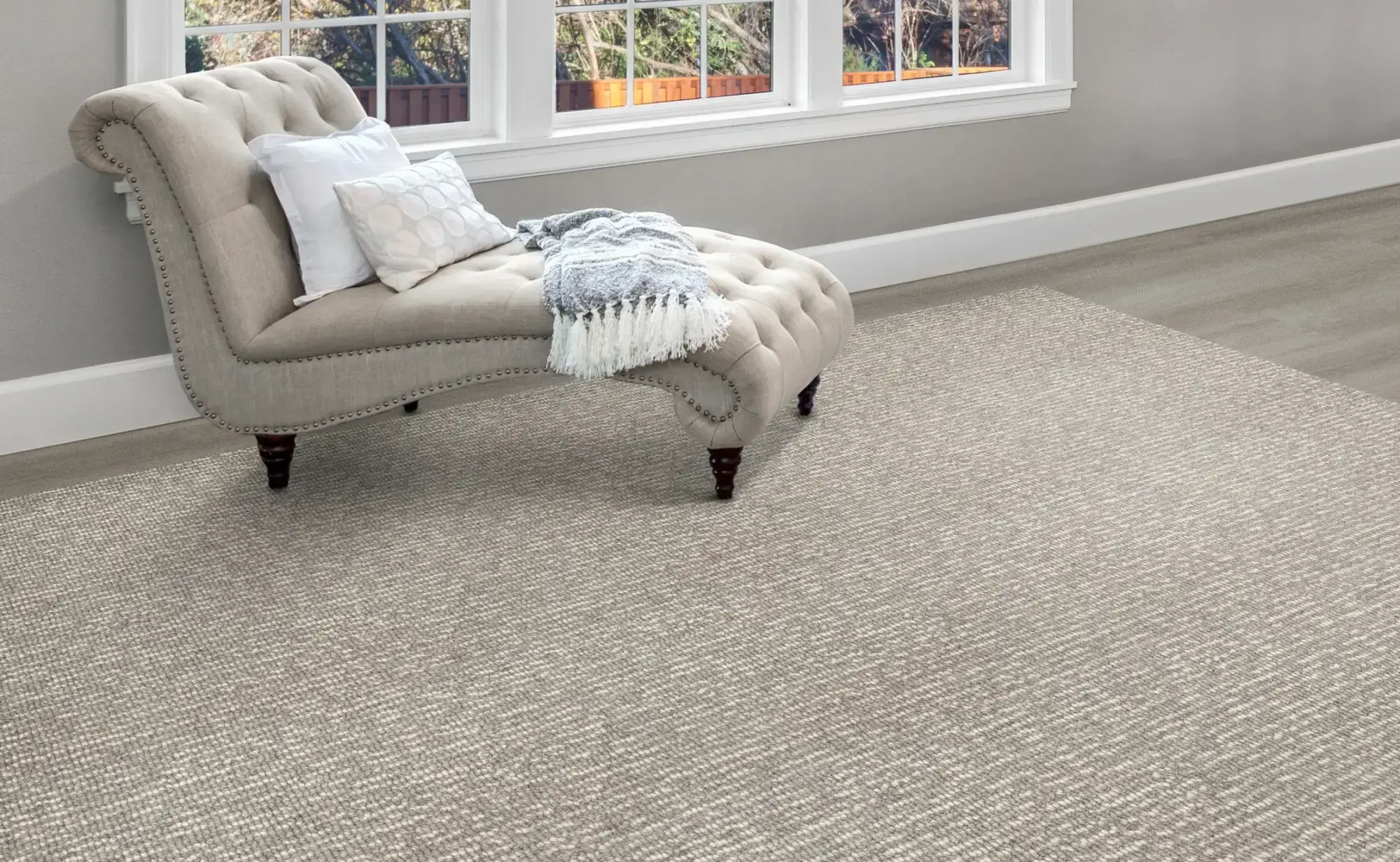
Berber Carpet
Looped construction that hides footprints and stands up to high traffic.
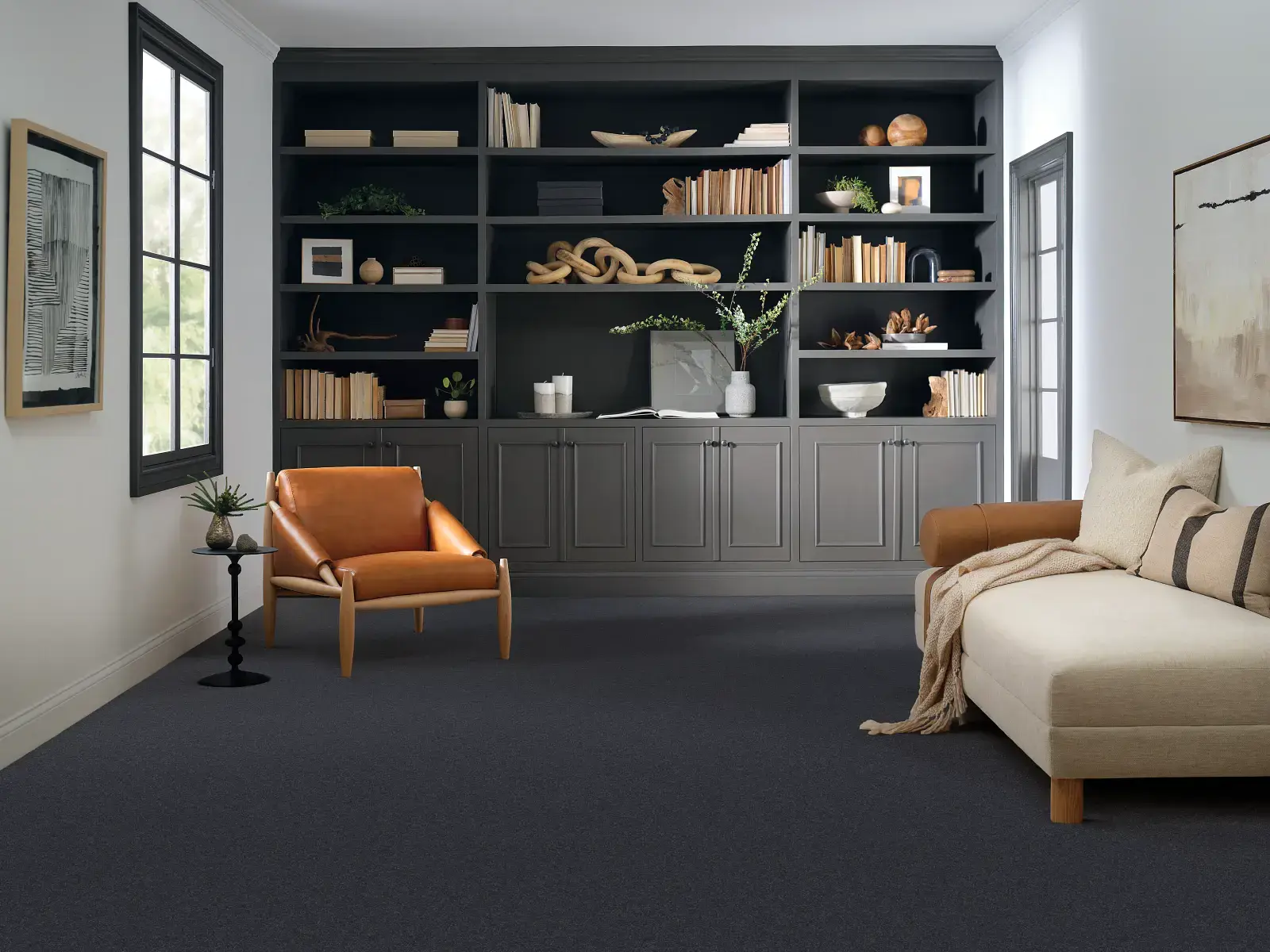
Plush Carpet
Dense, even-cut pile that feels luxurious underfoot, ideal for bedrooms.
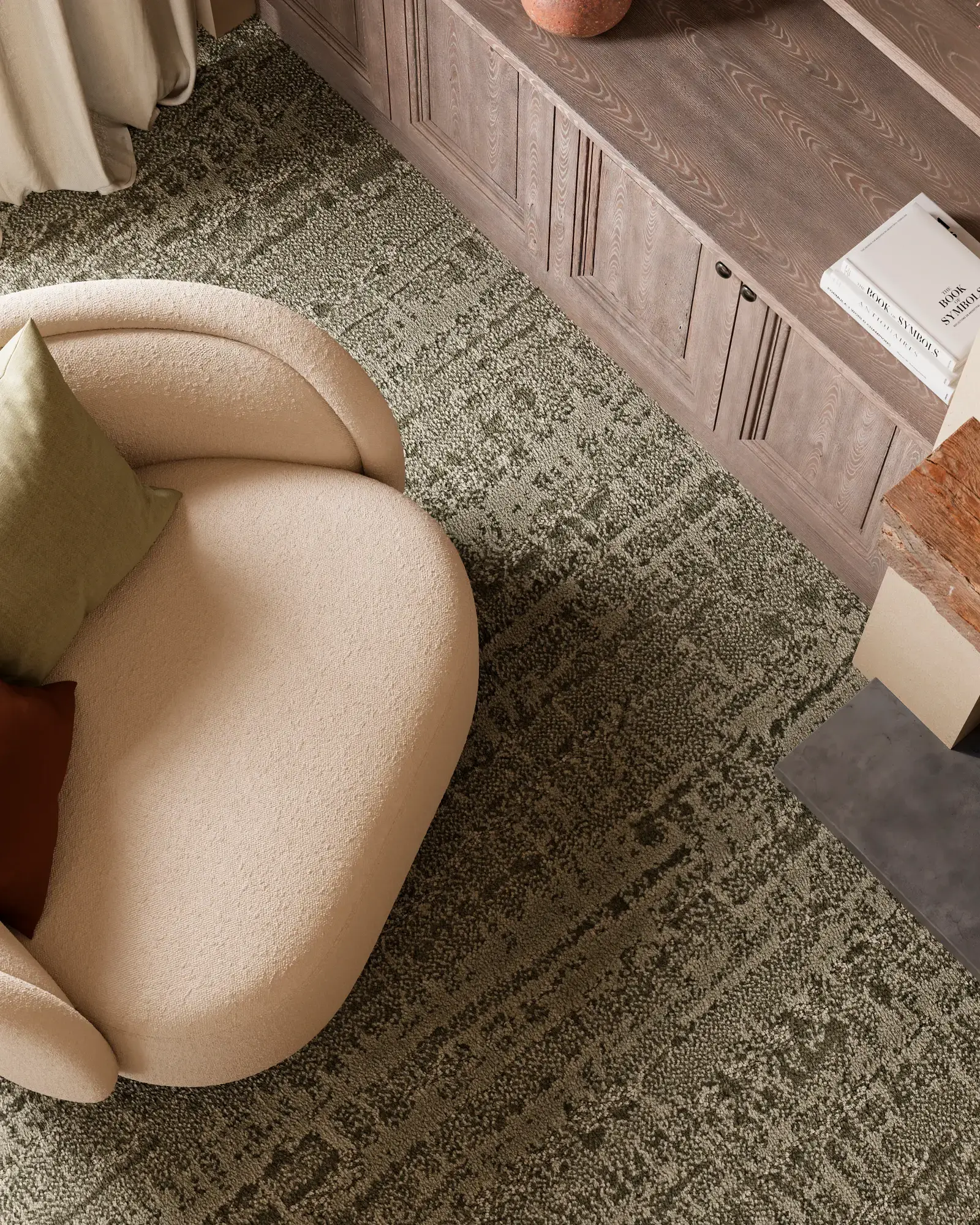
Frieze Carpet
Twisted yarn fibers create a casual texture that hides wear and footprints.
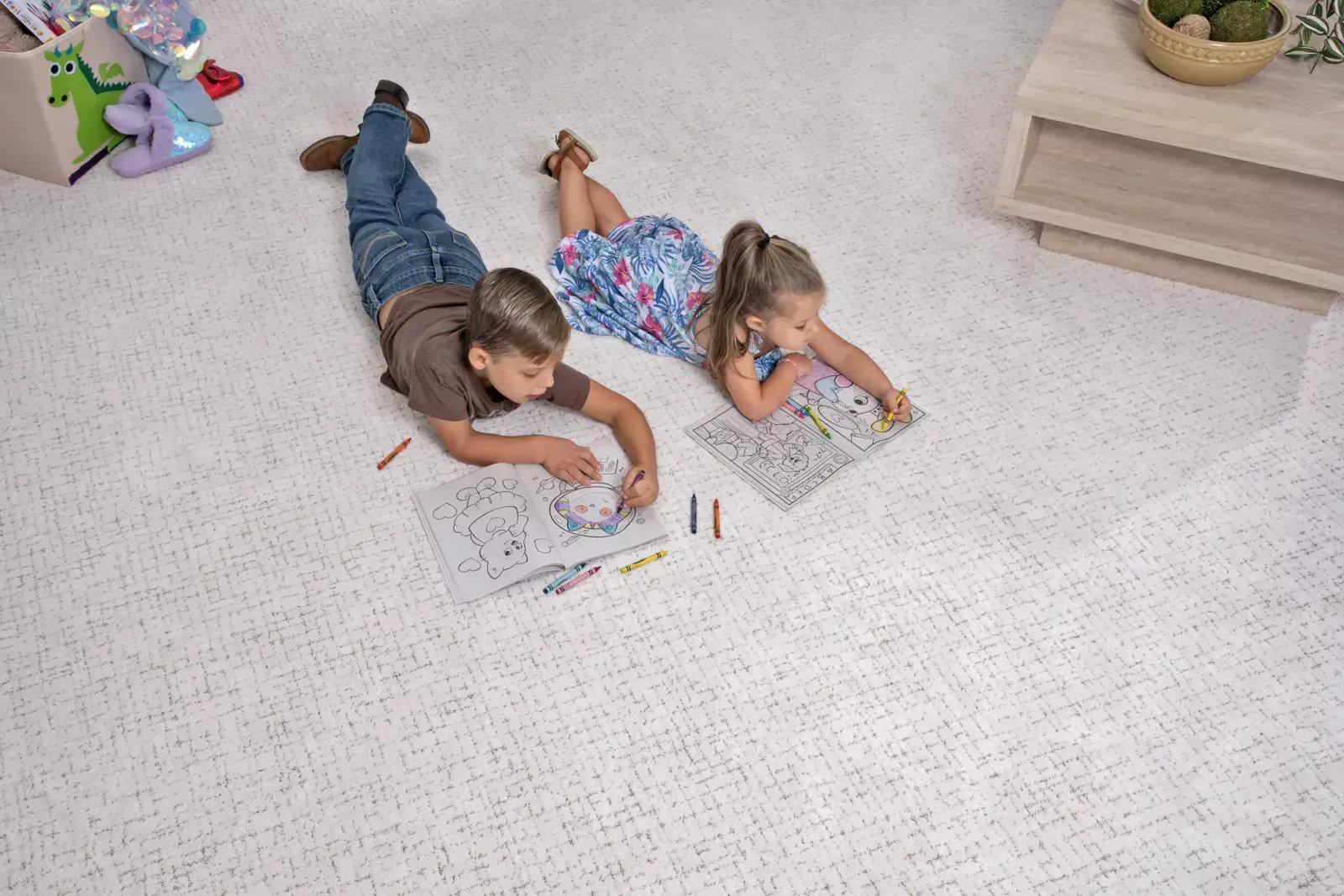
Pattern Carpet
Cut-and-loop construction with built-in patterns for visual interest.
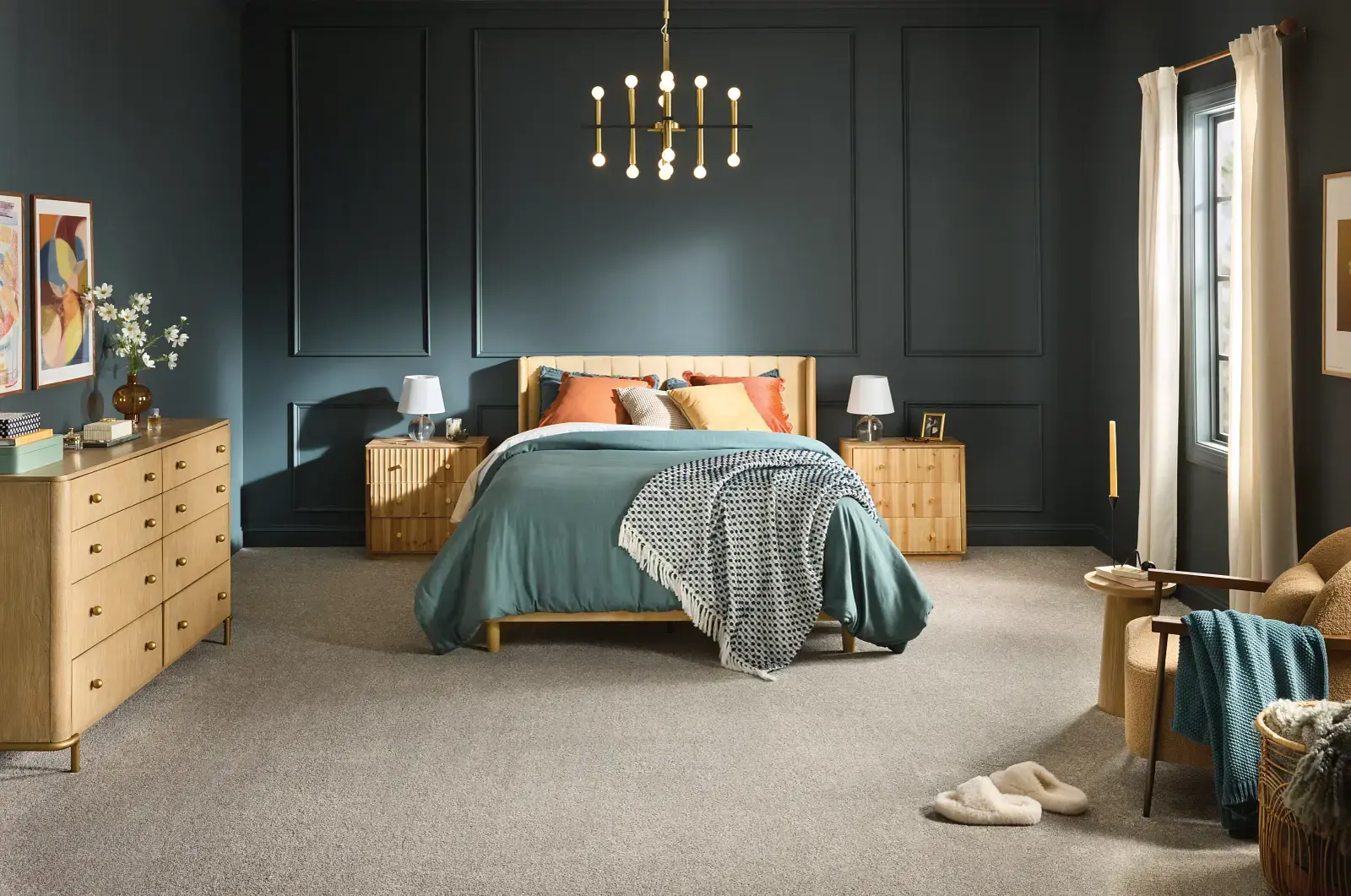
Bedroom Carpet
Soft, quiet carpet that turns any bedroom into a retreat.
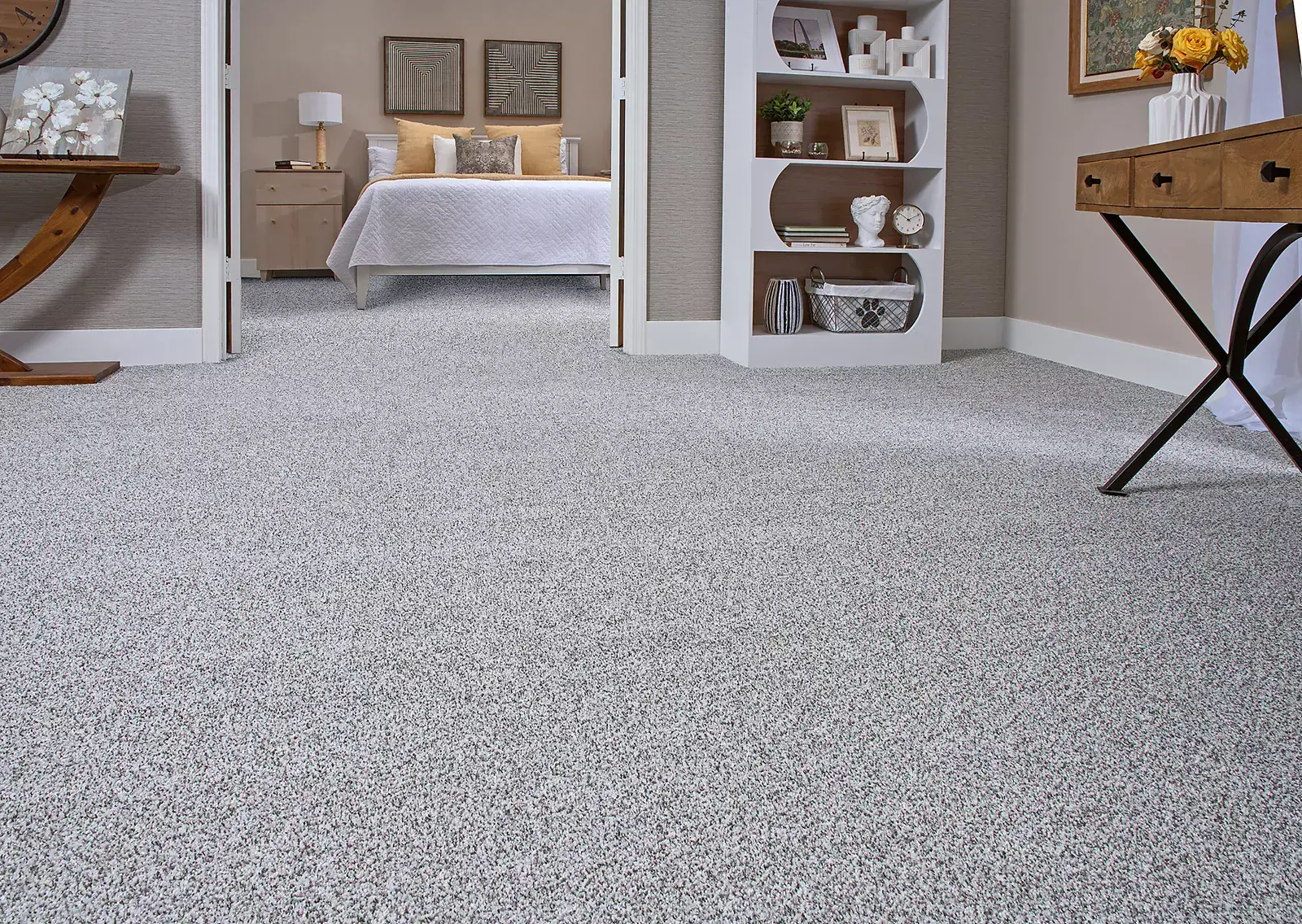
Carpet Repair
Patches, re-stretches, and seam repairs to extend the life of your carpet.
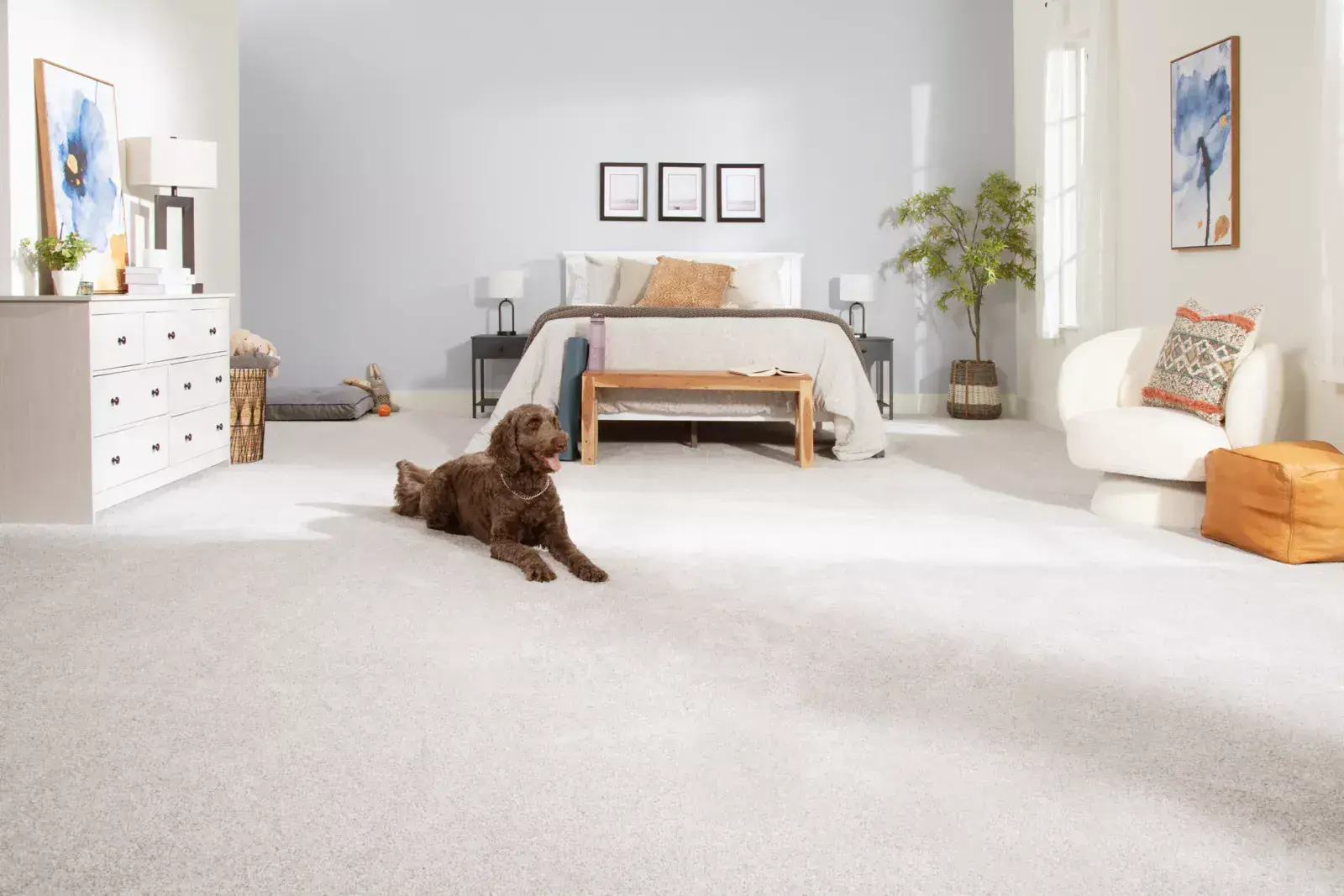
Pet-Friendly Carpet
Stain-resistant, easy-clean carpet built to handle paws and accidents.
Carpet Guide
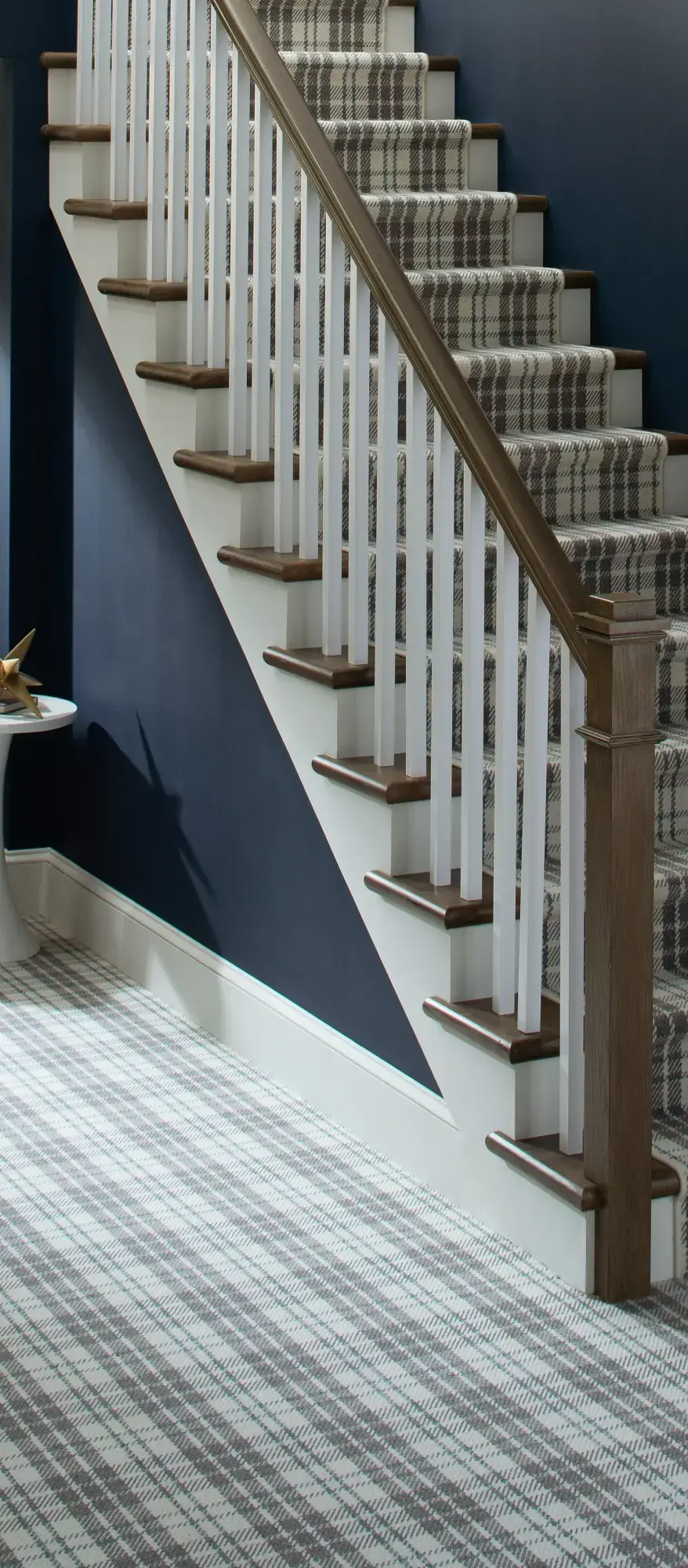
Carpet for Stairs: Anatomy, Pile, Padding, and What Actually Wears
Stairs are the hardest-working surface in a carpeted home. Every step lands on the leading edge of the tread (the nosing) where the carpet wraps around a tight radius and takes concentrated foot pressure on a narrow strip of fiber. That single detail drives almost every decision about carpet for stairs: pile style, density, padding, and how the carpet is finished at the edges. A residential stair has three surfaces the carpet touches (tread, riser, and nosing), and the carpet has to bend cleanly around each one without crushing, fraying, or pulling loose. Wall-to-wall stair carpet covers the full width of the staircase, while a runner leaves a few inches of wood exposed on each side. Both are legitimate choices, and the right answer depends on the staircase, the rest of the home, and how much wear the stairs see.
Read the full carpet guideShow less
The carpet itself should be low-pile and dense. Tightly twisted cut pile like frieze and level-loop constructions like Berber both work well because the short, dense surface resists the crushing that happens at the nosing. Long plush pile is a poor stair choice for the same reason it shows footprints on a bedroom floor: the upright fibers flatten under repeated traffic and never spring back. Solution-dyed nylon and high-twist polyester both perform well on stairs, with nylon holding up longer in heavy-traffic households. Padding for stairs is different from padding for an open room: it needs to be denser (8-pound rebond or better) and thinner (typically 3/8 inch or less) so the carpet does not roll on the tread edge. A thick or soft pad lets the carpet flex under the nosing and accelerates wear at the exact spot that takes the most abuse. Standard runner widths in the U.S. market are 27, 30, and 32 inches, with 27 and 30 the most common on residential staircases. The "reveal" (the exposed wood between the runner edge and the wall) typically runs 3 to 5 inches per side. Most runners are bound (a finished cloth or yarn tape along the cut edges) or serged (a thread overlock); binding produces a flatter, more formal edge, and serging produces a softer rolled edge. Wall-to-wall stair installations skip the binding step because the carpet wraps fully and tucks under the trim. On open-sided staircases the carpet either wraps around the side (a "waterfall" install on the closed side, a "Hollywood" upholstered wrap on the exposed side) or stops at a binding line, depending on the look the homeowner wants. Amador County's older Gold Country homes often have steep, narrow stairs that benefit from a runner with visible wood on both sides, both for visual lightness and to make the treads easier to clean. If you want a stair-specific custom-cut and bound product rather than wall-to-wall carpet, see the stair runners page under area rugs. Otherwise, any of the constructions in the main carpet line that pass the low-pile, high-density test will install well on stairs.
Ready to Transform Your Home?
Get a free estimate from our experienced team. We've been helping Gold Country homeowners since 1976.