
50 years in Amador County · Lifetime warranty · Free in-home estimates
Rated 4.8 from 89 Google reviews
“JP helped us with flooring throughout our whole house. From helping us with estimates, picking out flooring and making sure we had prompt, excellent installation. JP even stayed in contact with the painter and coordinated with them so we didn't have to worry about anything. The floors came out amazing and now we are working with owners, Chad and Taylor for our Window coverings.”
01 / 05
Related Carpet Options
Explore other carpet styles and projects we handle.
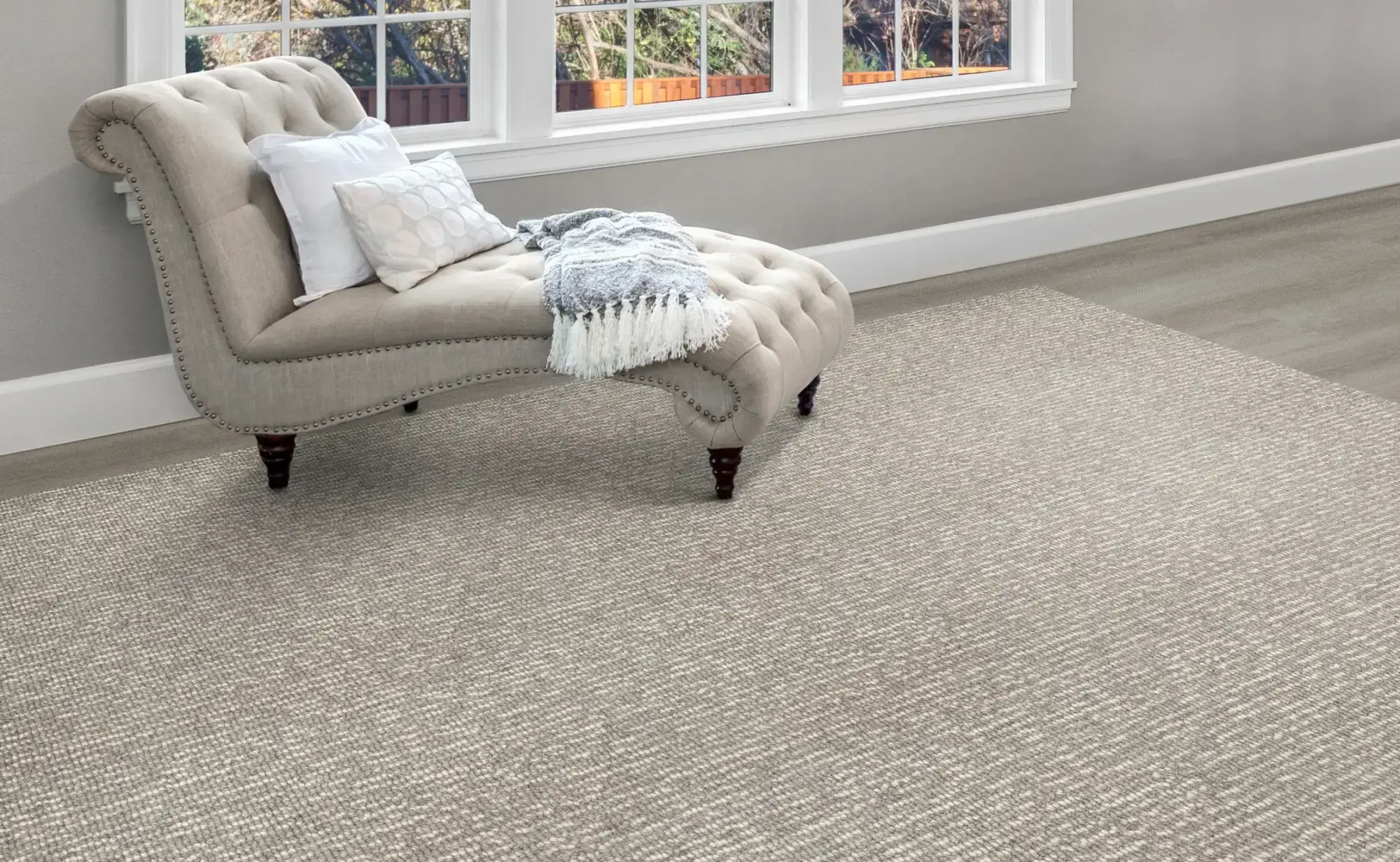
Berber Carpet
Looped construction that hides footprints and stands up to high traffic.

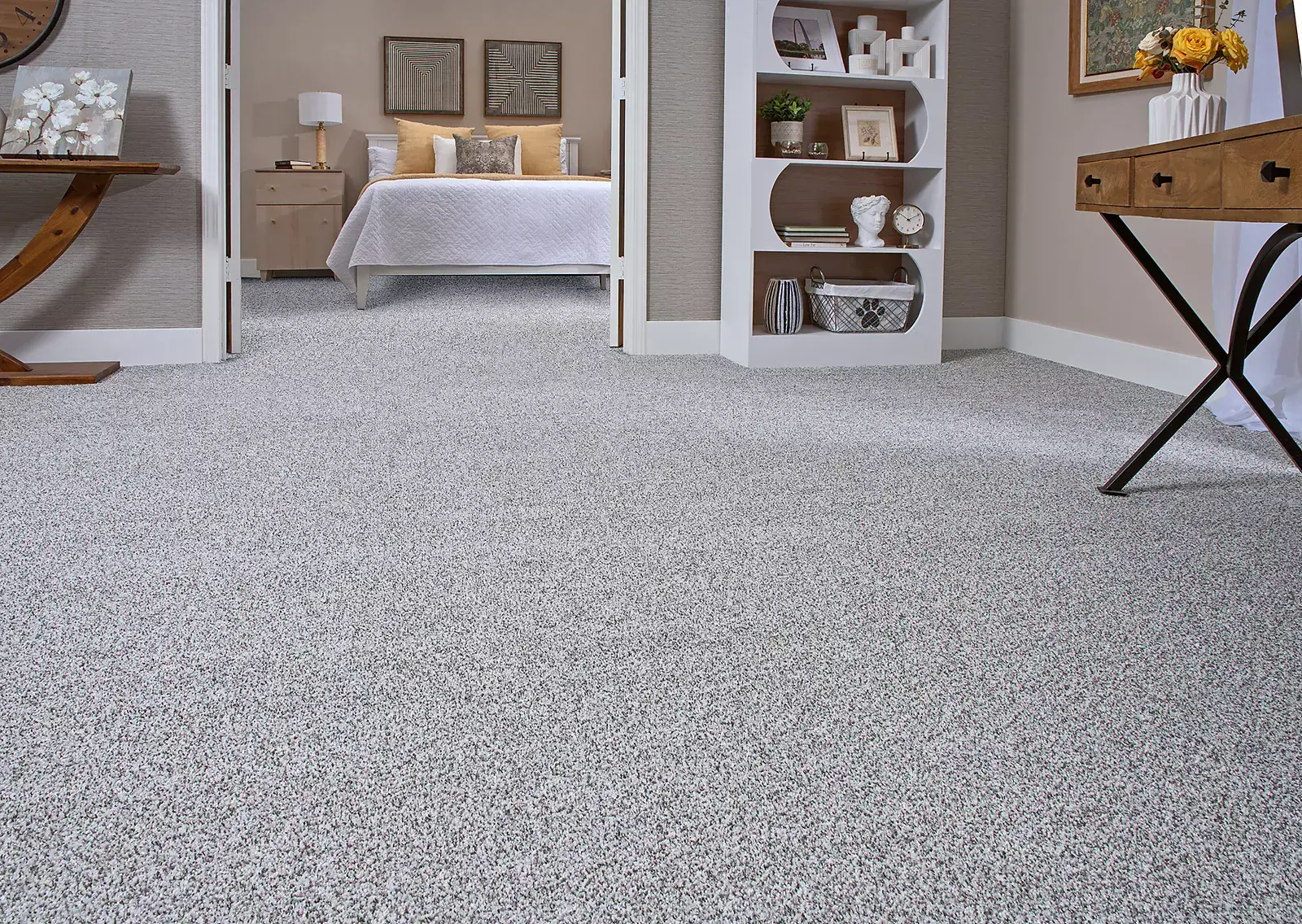
Plush Carpet
Dense, even-cut pile that feels luxurious underfoot, ideal for bedrooms.
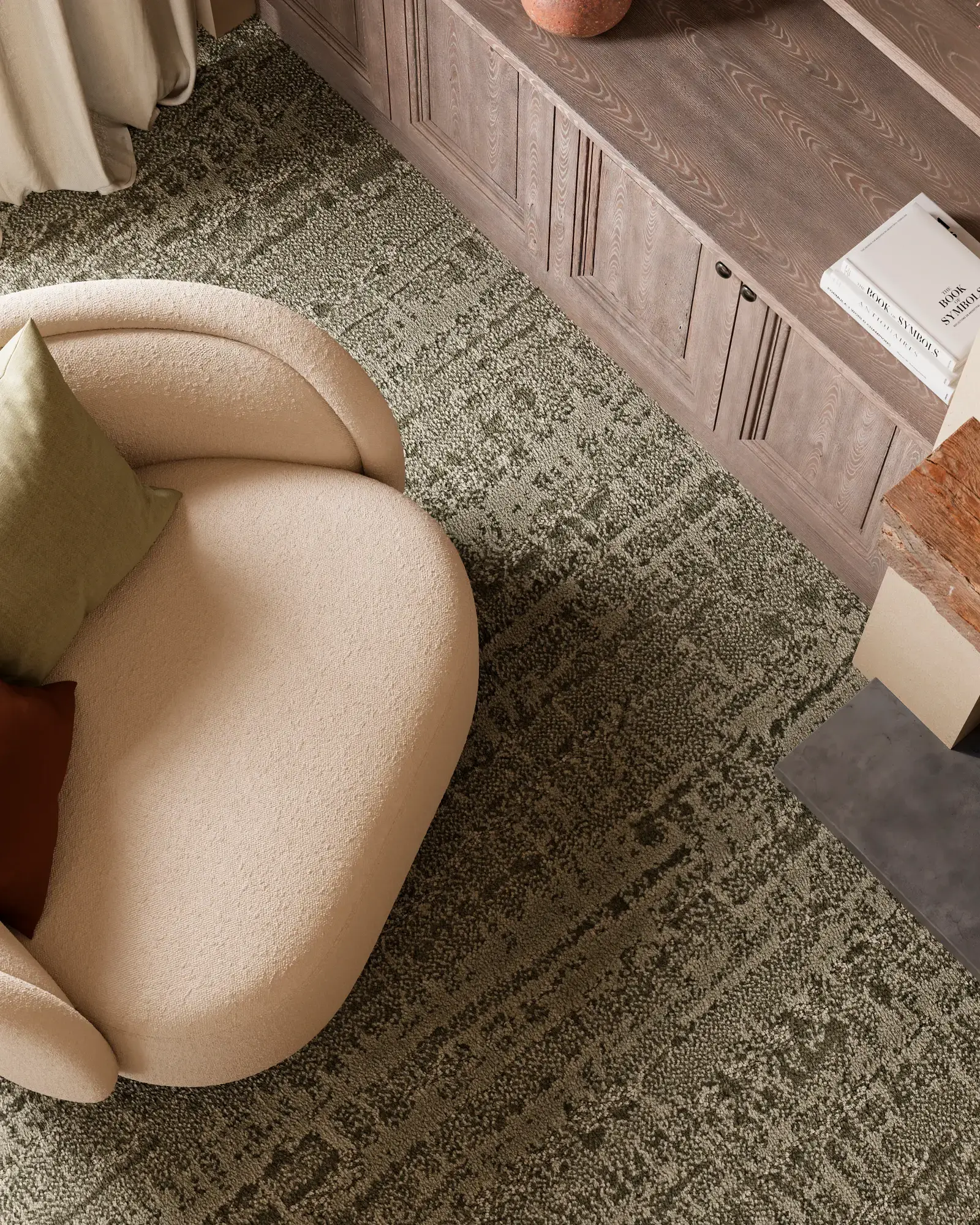
Frieze Carpet
Twisted yarn fibers create a casual texture that hides wear and footprints.
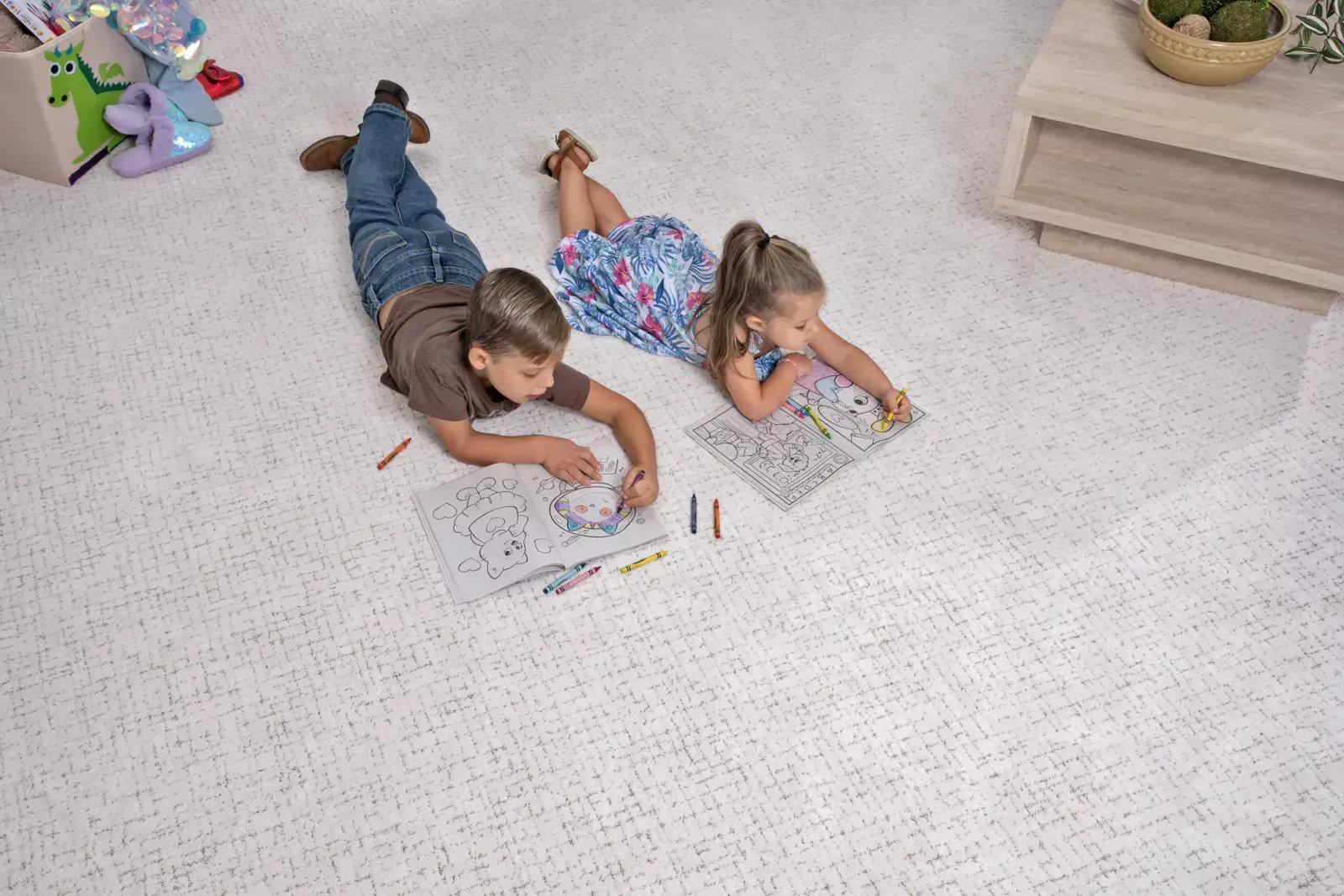
Pattern Carpet
Cut-and-loop construction with built-in patterns for visual interest.
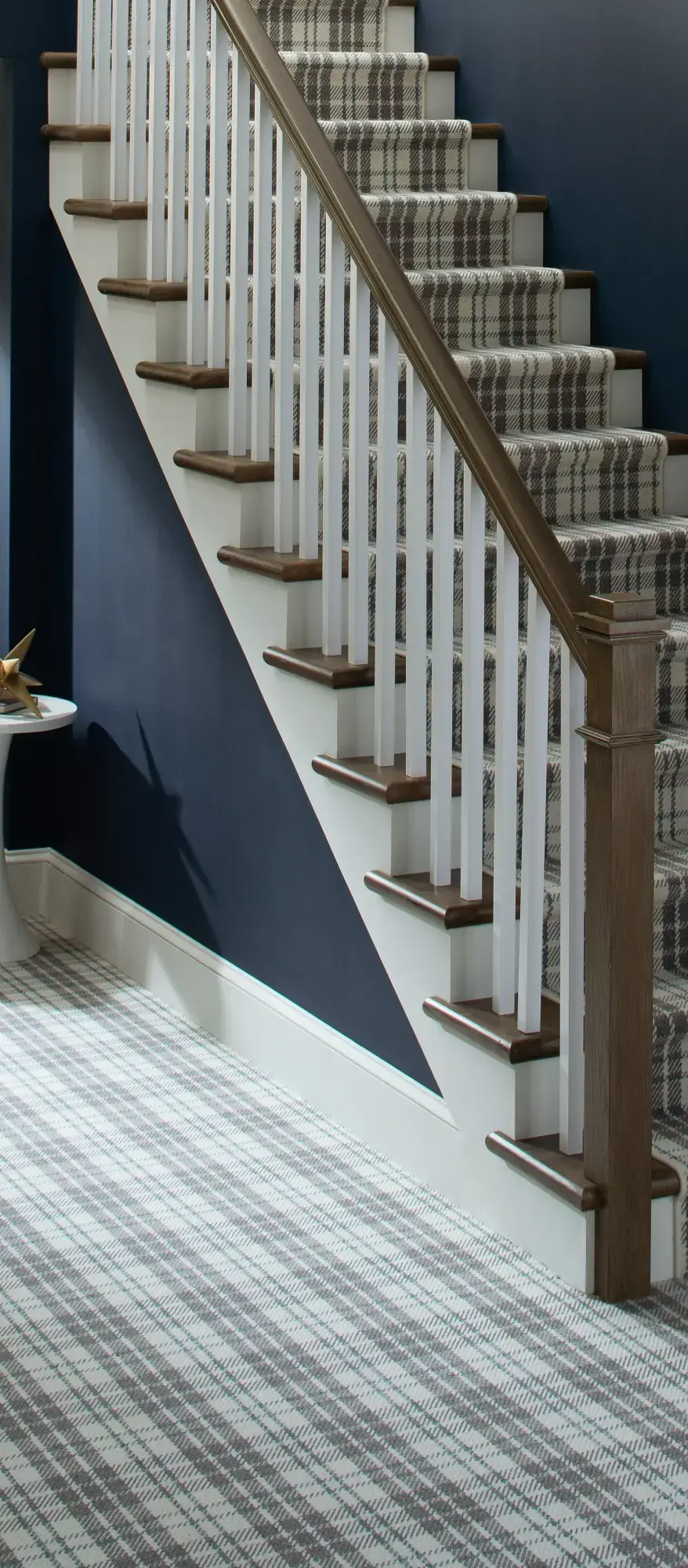
Stair Runners
Custom-cut and bound stair runners that protect treads and look stunning.

Bedroom Carpet
Soft, quiet carpet that turns any bedroom into a retreat.
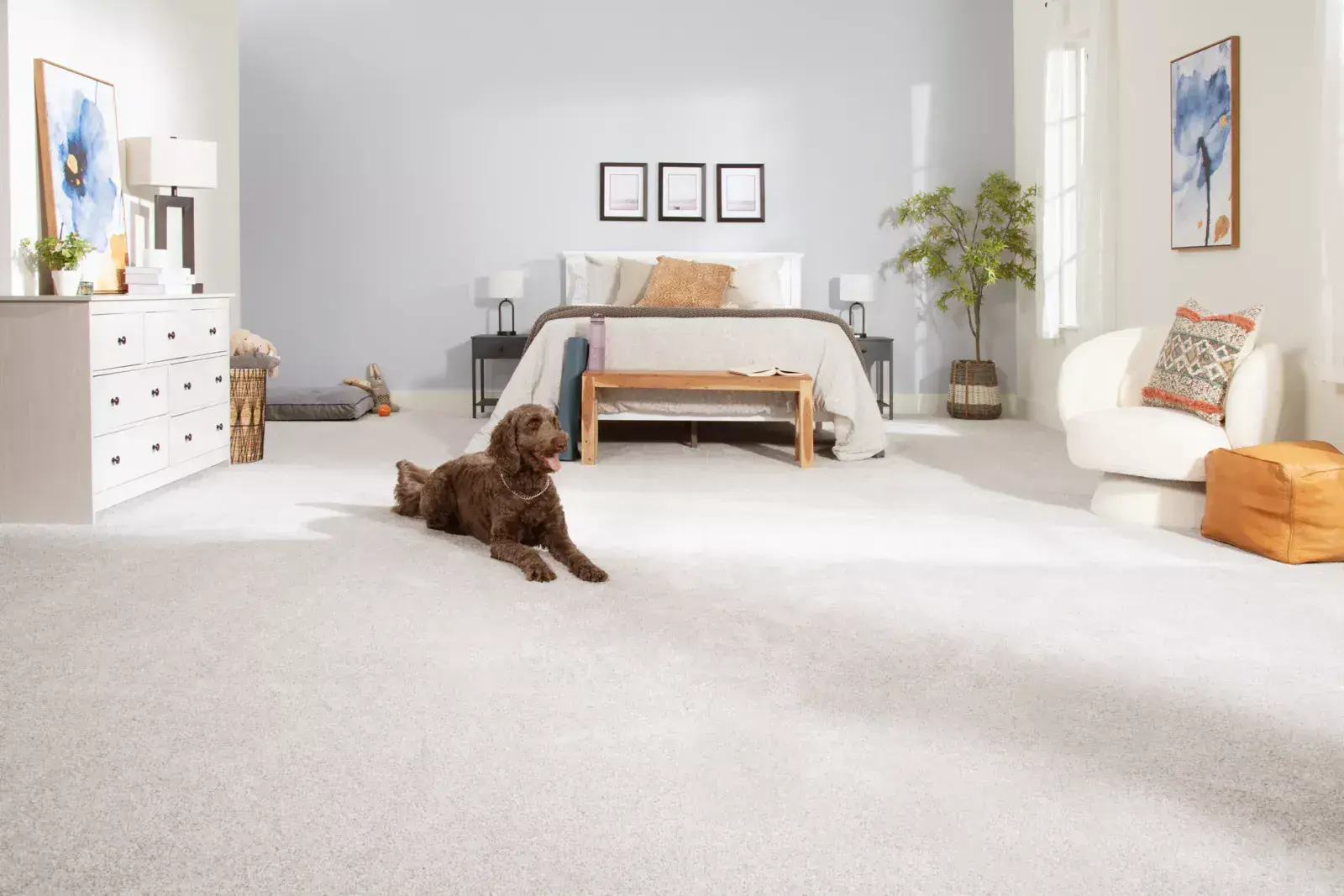
Pet-Friendly Carpet
Stain-resistant, easy-clean carpet built to handle paws and accidents.
Carpet Guide
Carpet Repair: What's Fixable, What Isn't, and When Replacement Is the Honest Answer
Carpet does not have to be replaced every time it takes damage. A surprising amount of what looks like terminal carpet trouble (burns, snags, pulled threads, stretching, even sizeable stains and pet damage) can be repaired by a trained installer using leftover material from the original install or a remnant from the same dye lot. Repair is almost always faster and cheaper than full replacement, and on a high-quality carpet with years of life left, it is also the more sensible choice. The honest part of the conversation is knowing where the line falls: small, localized damage repairs cleanly, while widespread fiber failure, water-damaged backing across multiple rooms, or carpet that is simply at the end of its useful life are signs to replace rather than patch.
Read the full carpet guideShow less
Common repairs fall into a handful of categories. Patching is the most frequent: a damaged section is cut out in a clean rectangle, a matching piece is cut from a remnant or a hidden corner of the same room (under furniture, inside a closet), and the new piece is glued in place with seam tape and seam adhesive. With the same dye lot the patch becomes invisible after the pile is brushed. Re-stretching addresses ripples and waves that appear in older carpet when the tackless strip grip weakens or the original install was not stretched tight enough; an installer uses a power stretcher to pull the carpet taut from wall to wall, retrims the edges, and re-tucks. Seam repair fixes the open joints that sometimes develop where two pieces of carpet meet, usually with fresh seam tape and a hot iron. Snag and pull repair on loop carpets like Berber involves trimming the snagged loop flush rather than pulling on it (pulling unravels the row). Burn repair on cut-pile carpets like plush uses the "shave and patch" technique: the burned fiber tips are carefully shaved with a sharp blade, removing only the damaged length, and the remaining shorter pile blends into the surrounding carpet. Stain removal is its own discipline; some stains (water-based food and drink, pet urine caught early) lift with proper cleaners, while others (red wine that has set, dye transfer from rugs, pet urine that has wicked into the pad and backing) often require patching rather than cleaning because the contamination has soaked beyond the fiber. The repair-versus-replace decision usually comes down to four questions: How old is the carpet (anything past 12 to 15 years is probably near end of life regardless of damage)? How widespread is the problem (one room with localized damage repairs; whole-house issues replace)? Is there a matching remnant or hidden cut available (no match means visible patch)? And does the backing or padding still pass inspection (failed backing or contaminated pad means replacement, since no repair fixes the foundation under the fiber)?
Ready to Transform Your Home?
Get a free estimate from our experienced team. We've been helping Gold Country homeowners since 1976.