
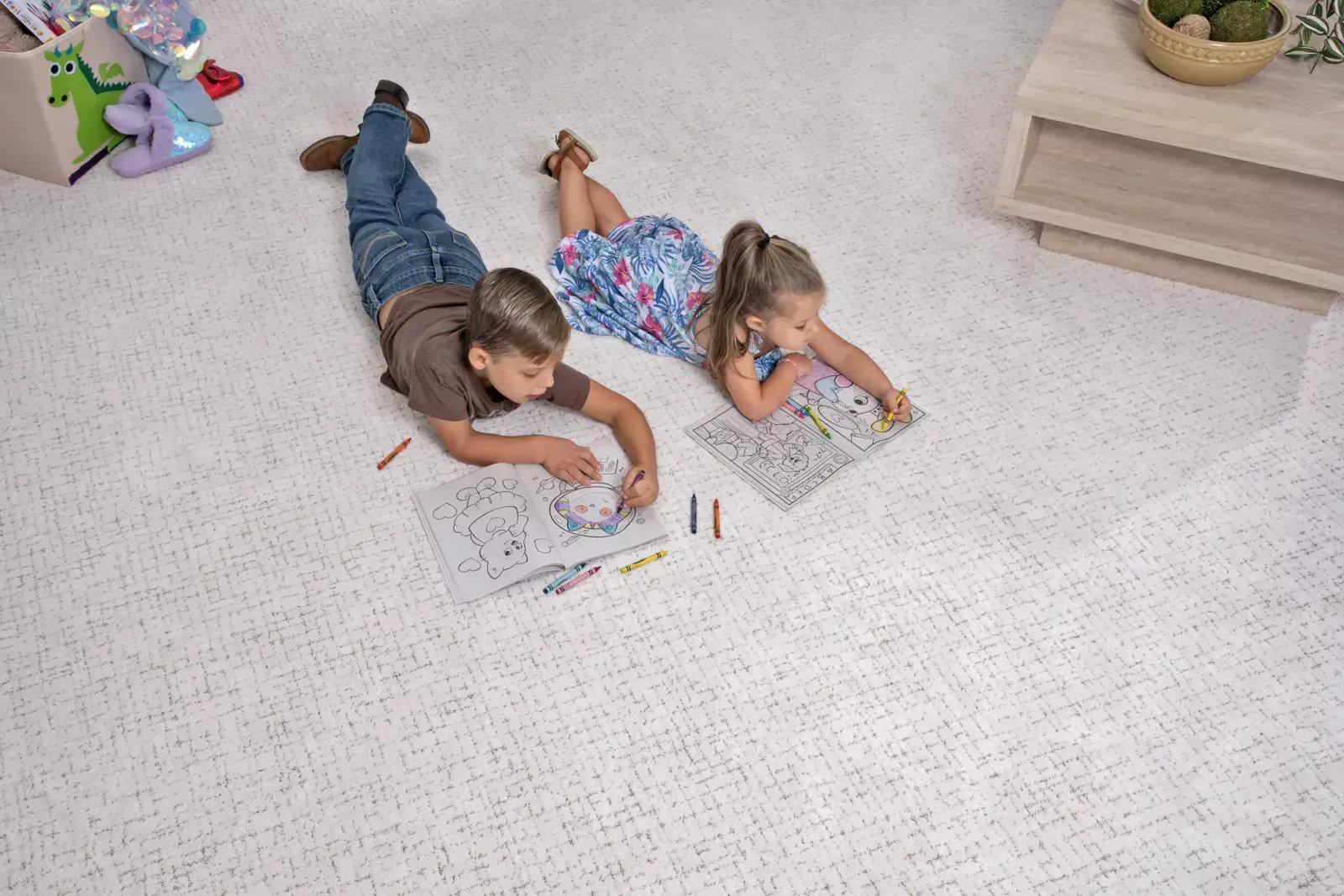
What is pattern carpet flooring?
Pattern carpet combines cut and looped pile in the same row, creating raised geometric designs. Adds character to a room without overwhelming it.
Cut-and-loop surface. Mixes cut fibers and loops into a repeating motif.
Raised texture. Different pile heights create a subtle 3D pattern.
Dimensional yarn. Adds depth and visual interest underfoot.
Woven backing. Stabilizes the pattern so it stays sharp over time.
- Adds characterLifts plain rooms.
- Hides trafficPattern masks wear.
- Versatile styleTransitional to modern.
Why choose pattern carpet flooring?
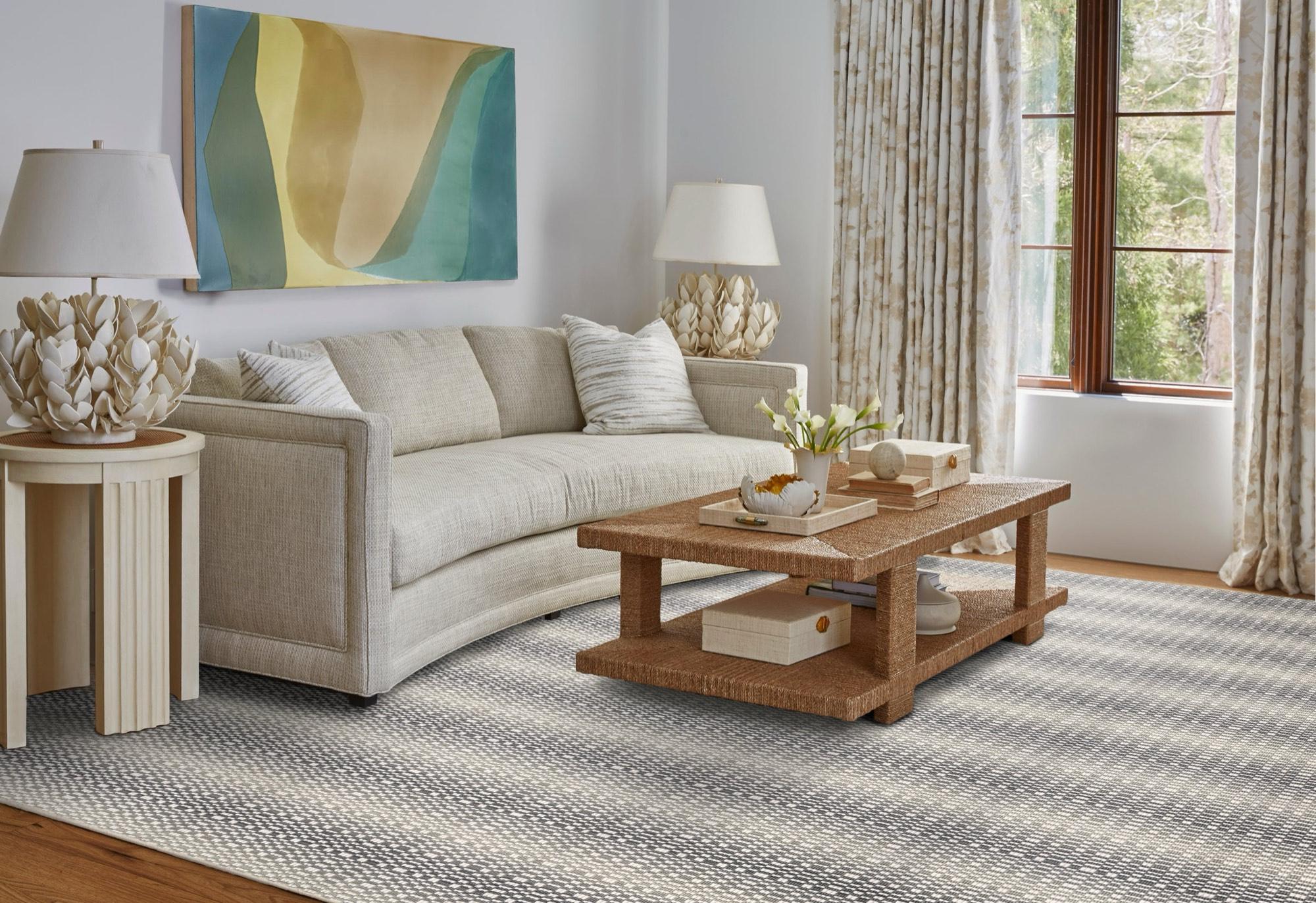
Pattern carpet is the design choice that doubles as a floor. Where solid carpet recedes, pattern carries the room, a geometric runner up the stairs, a tritonal cut-and-loop in a study, a bold abstract in a primary bedroom. For homeowners who treat their floors as part of the design, no other construction gives you this much character to play with.
Pattern works best in spaces where the floor IS the design moment. In a room with already-strong patterns (heavy drapery, bold wallpaper, statement furniture), plush or Berber recedes more gracefully. Pick the carpet first, then build the rest of the room around it.
Pattern carpet features
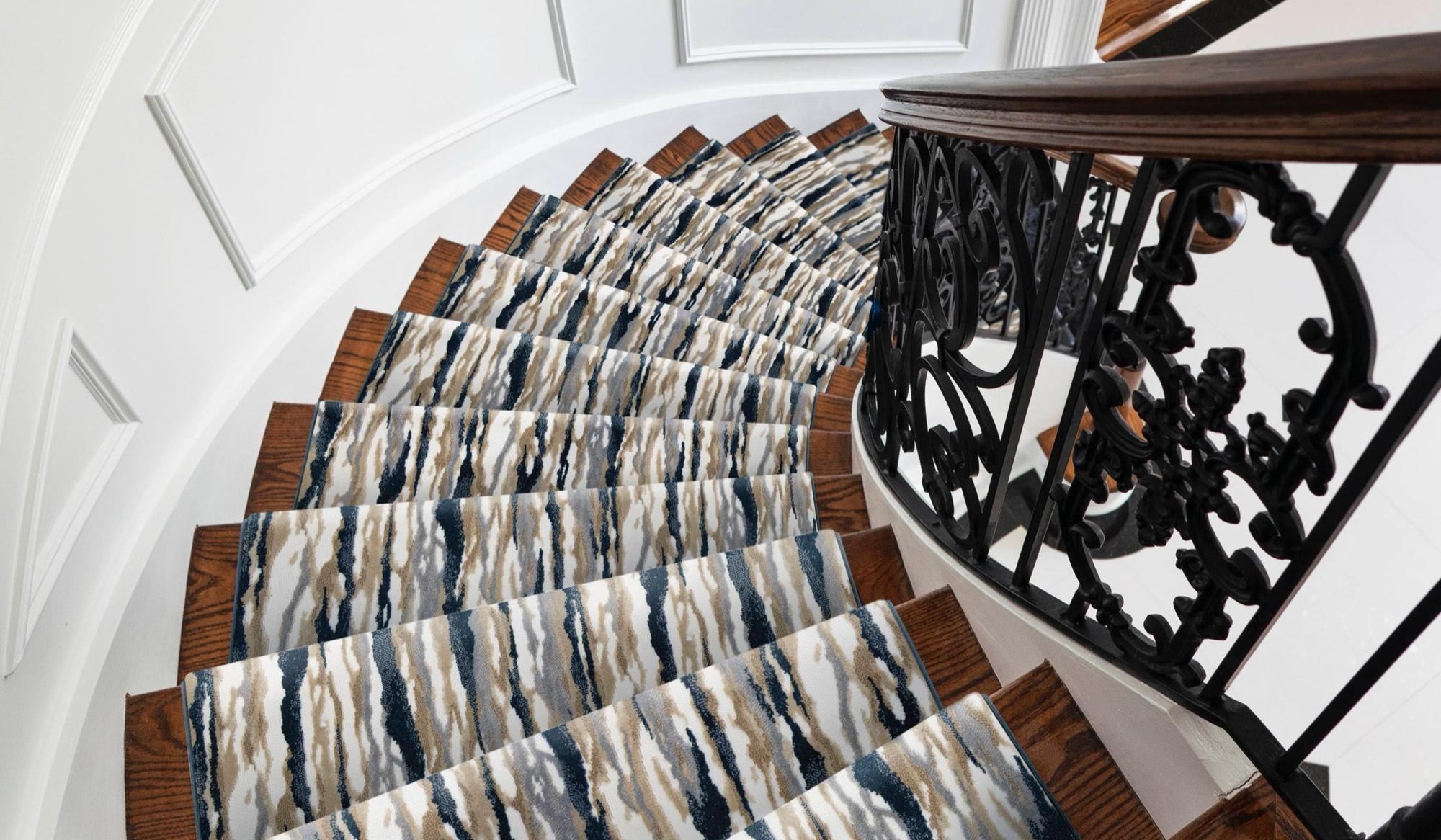
Subtle structure that elevates a room without overwhelming it.
- Cut-and-loop construction creates a 3D pattern that catches light differently across the floor.
- Available in geometric, organic, classical, and contemporary motifs.
- One of the few flooring choices that can carry an entire room's design.
The Pattern Carpet We Carry
Real pattern carpet styles in stock. Filter by color and preview any of them on your own floors.
Fallen Island
Abbey Carpet
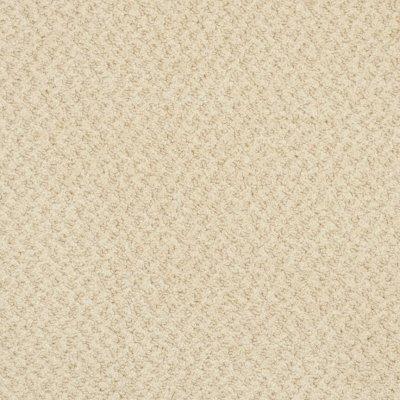
Global Image
Abbey Carpet
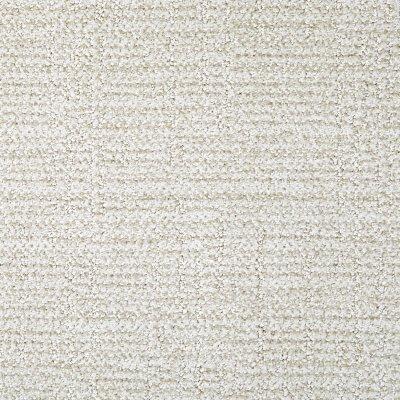
Alamo Court
Soft Splendor
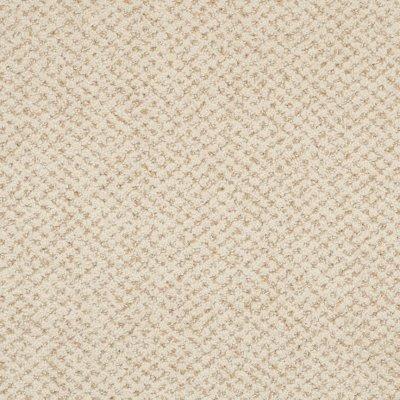
Bellaria
Abbey Carpet
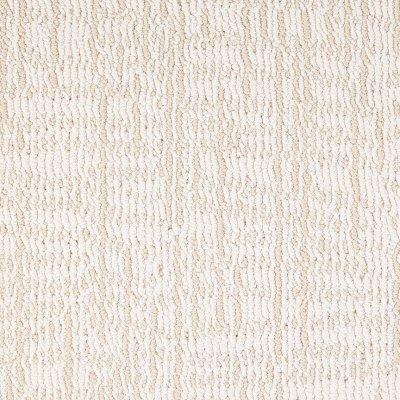
Canyon Creek
Soft Splendor petdefense™
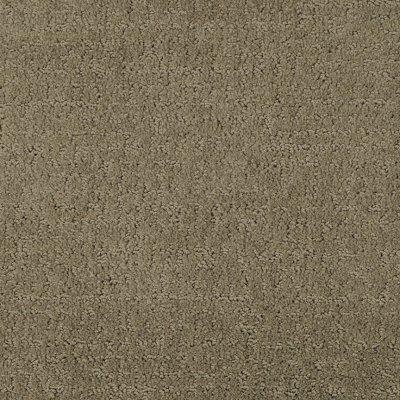
Victorian Number
Abbey Carpet
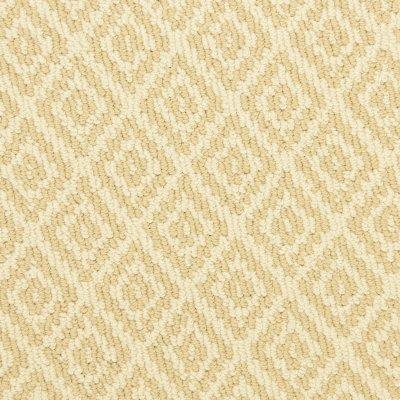
Capitol Avenue
Soft Splendor petdefense™
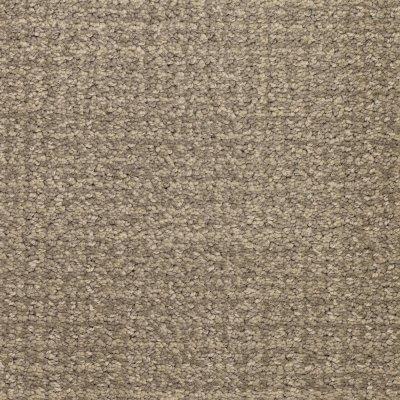
Joyful Welcome
Soft Splendor petdefense™
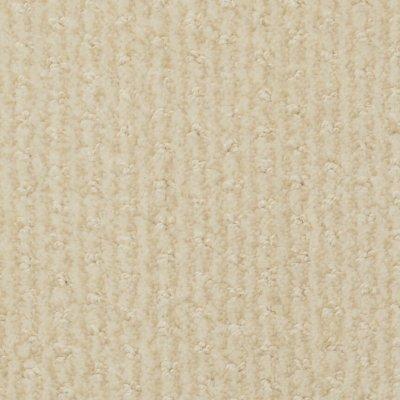
Plana
Abbey Carpet
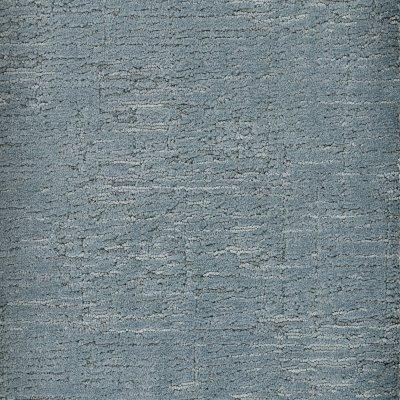
Hope Bay
Soft Splendor
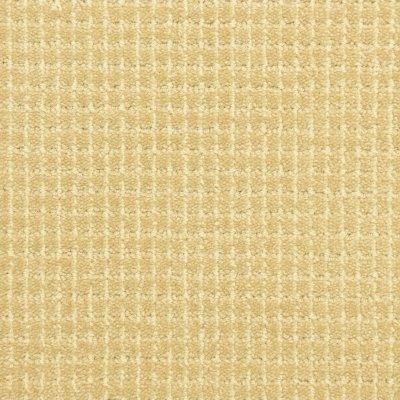
Capital Road
Soft Splendor petdefense™
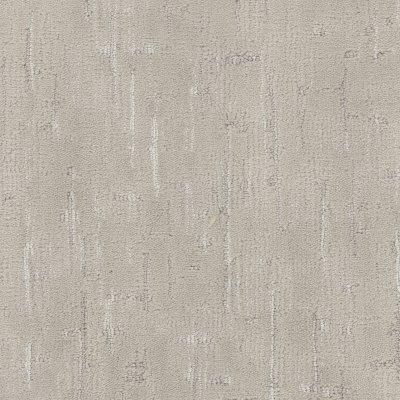
Enduring Appearance
Soft Splendor petdefense™
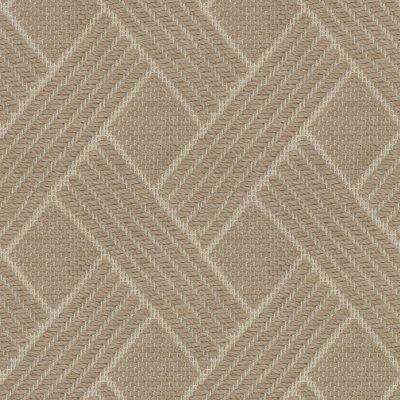
Silent Moment
Abbey Carpet
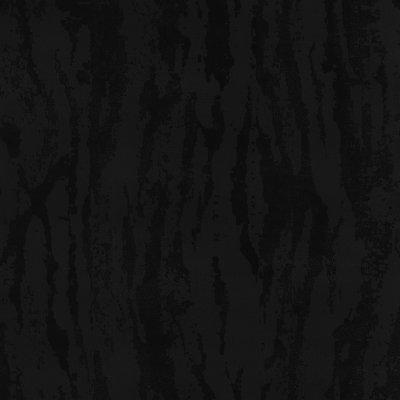
Heatheridge
Soft Splendor petdefense™
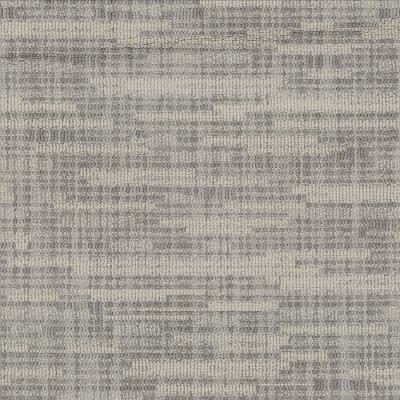
Blossom Inn
Abbey Carpet
50 years in Amador County · Lifetime warranty · Free in-home estimates
Rated 4.8 from 89 Google reviews
“JP helped us with flooring throughout our whole house. From helping us with estimates, picking out flooring and making sure we had prompt, excellent installation. JP even stayed in contact with the painter and coordinated with them so we didn't have to worry about anything. The floors came out amazing and now we are working with owners, Chad and Taylor for our Window coverings.”
01 / 05
Related Carpet Options
Explore other carpet styles and projects we handle.
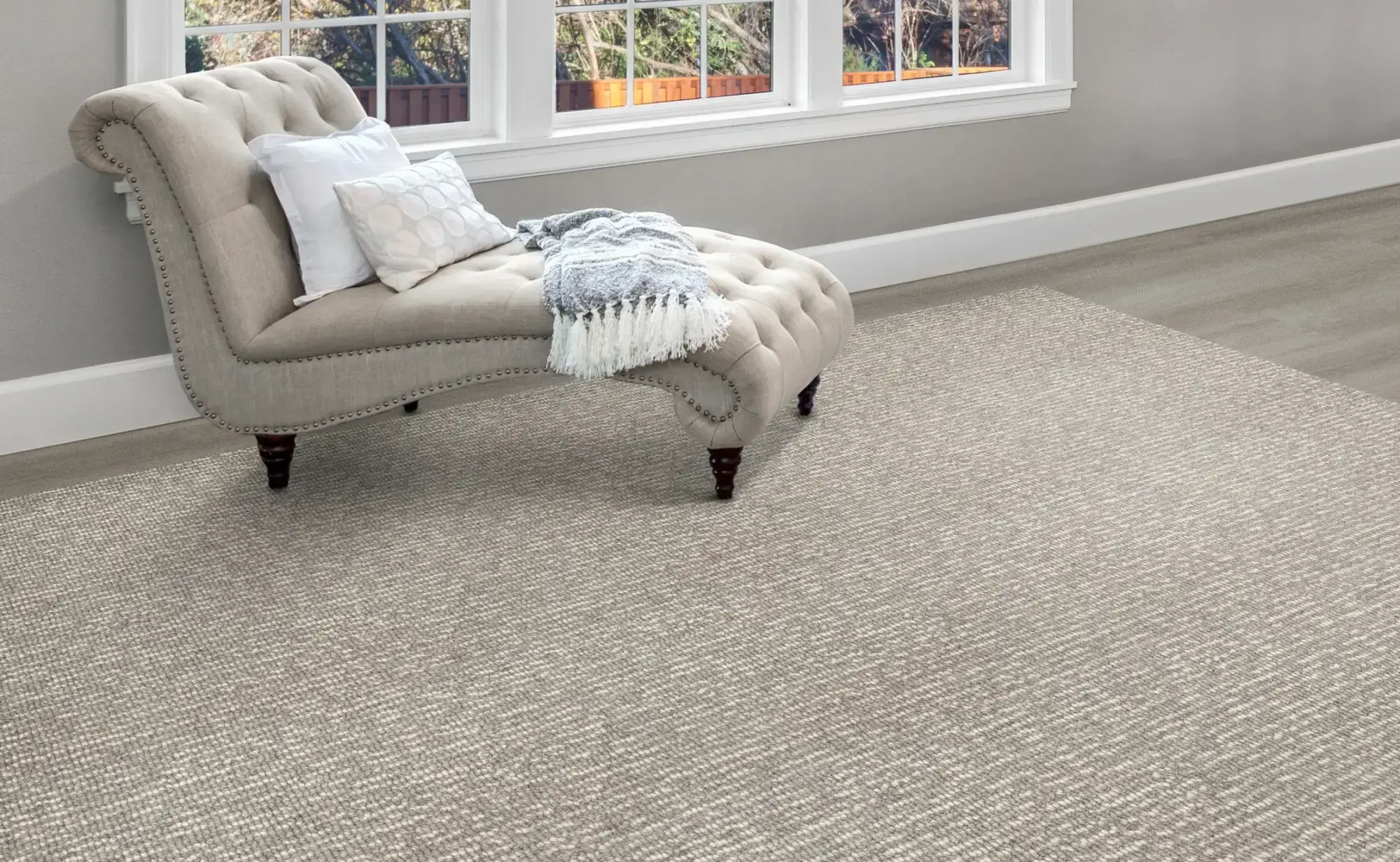
Berber Carpet
Looped construction that hides footprints and stands up to high traffic.
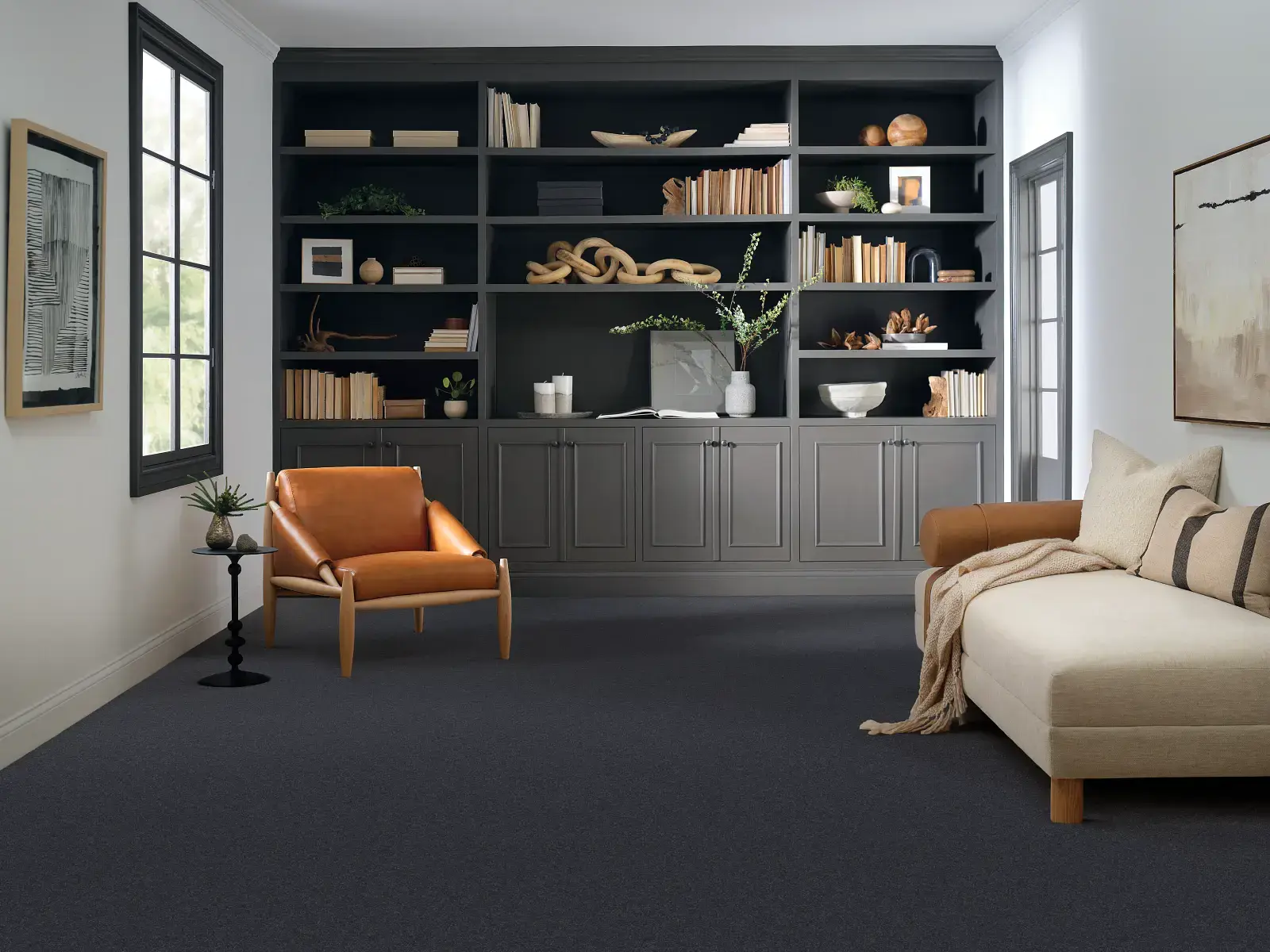
Plush Carpet
Dense, even-cut pile that feels luxurious underfoot, ideal for bedrooms.
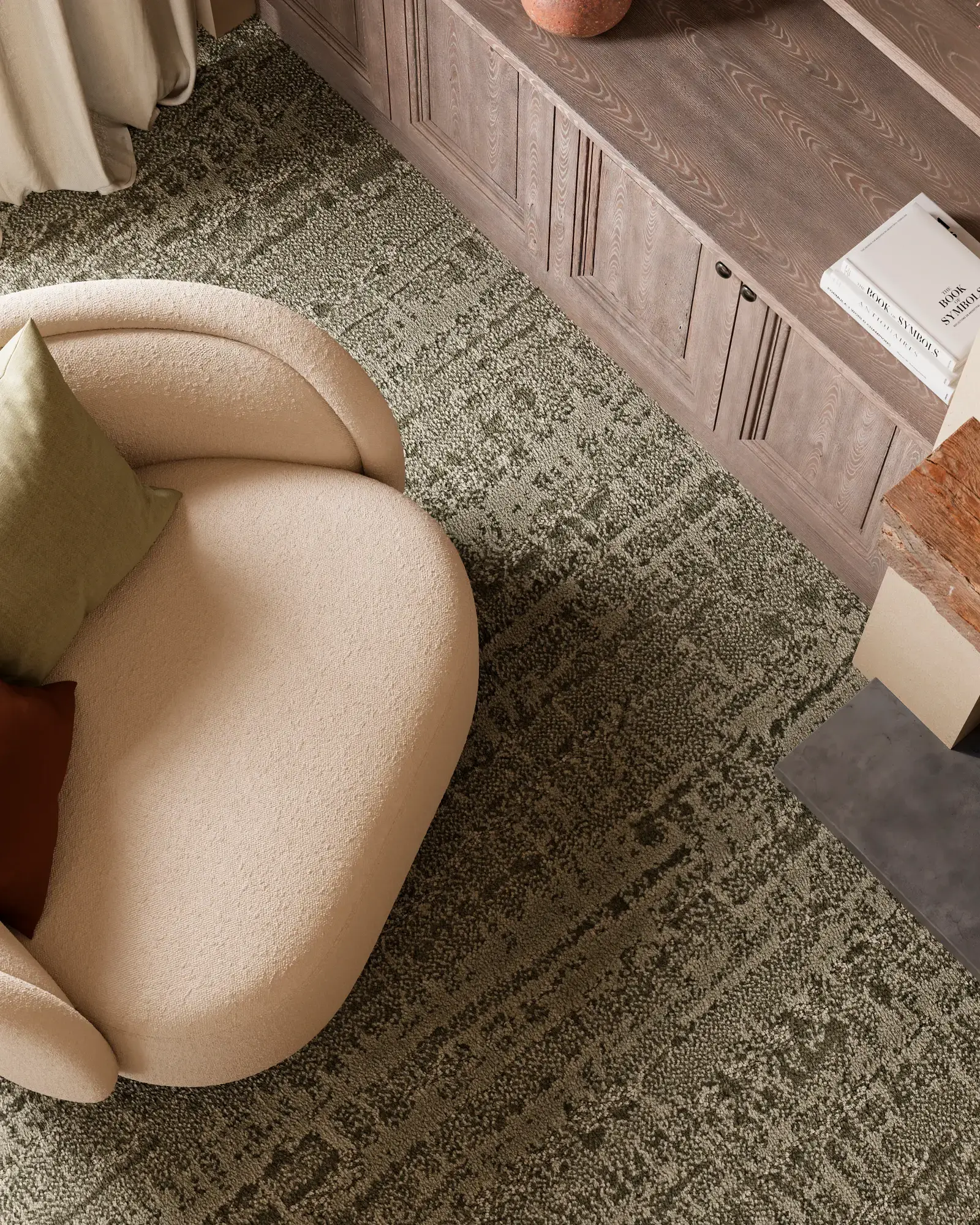
Frieze Carpet
Twisted yarn fibers create a casual texture that hides wear and footprints.
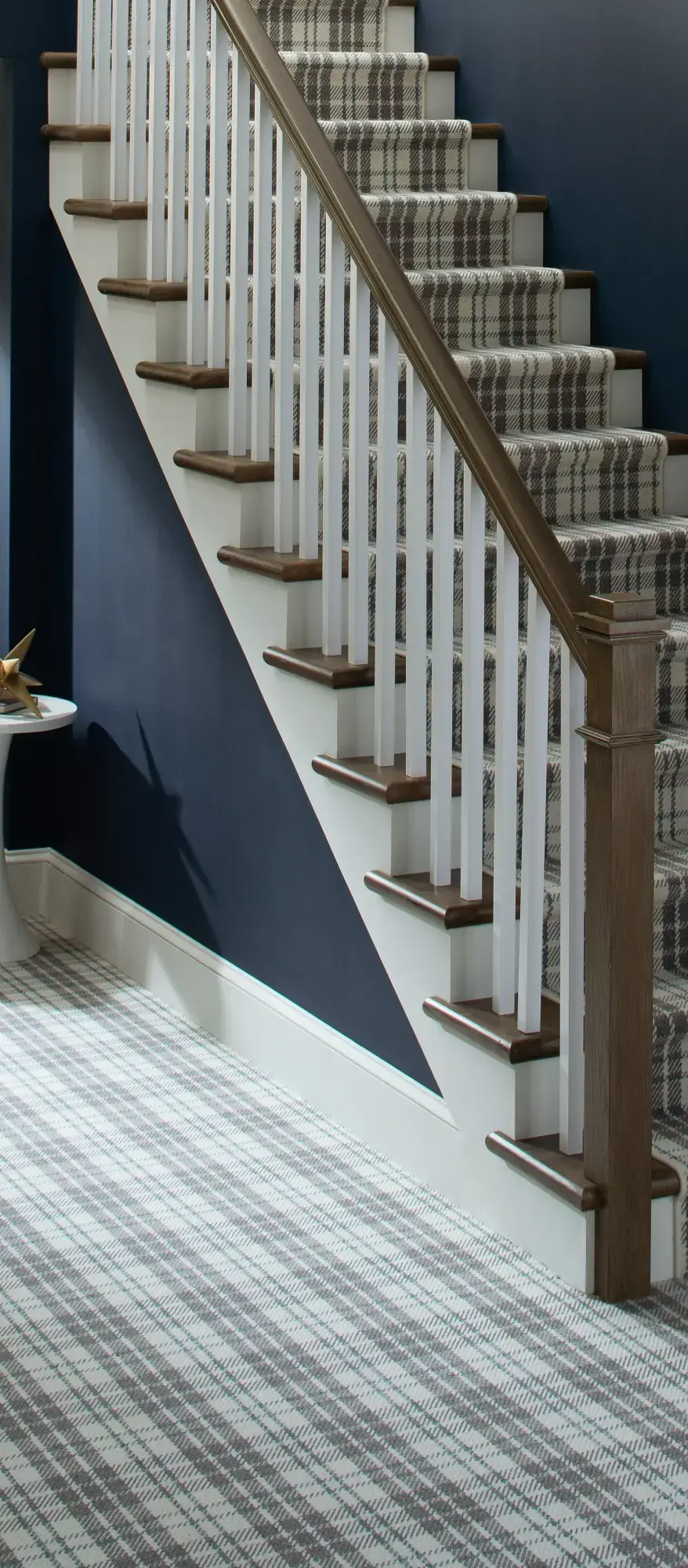
Stair Runners
Custom-cut and bound stair runners that protect treads and look stunning.
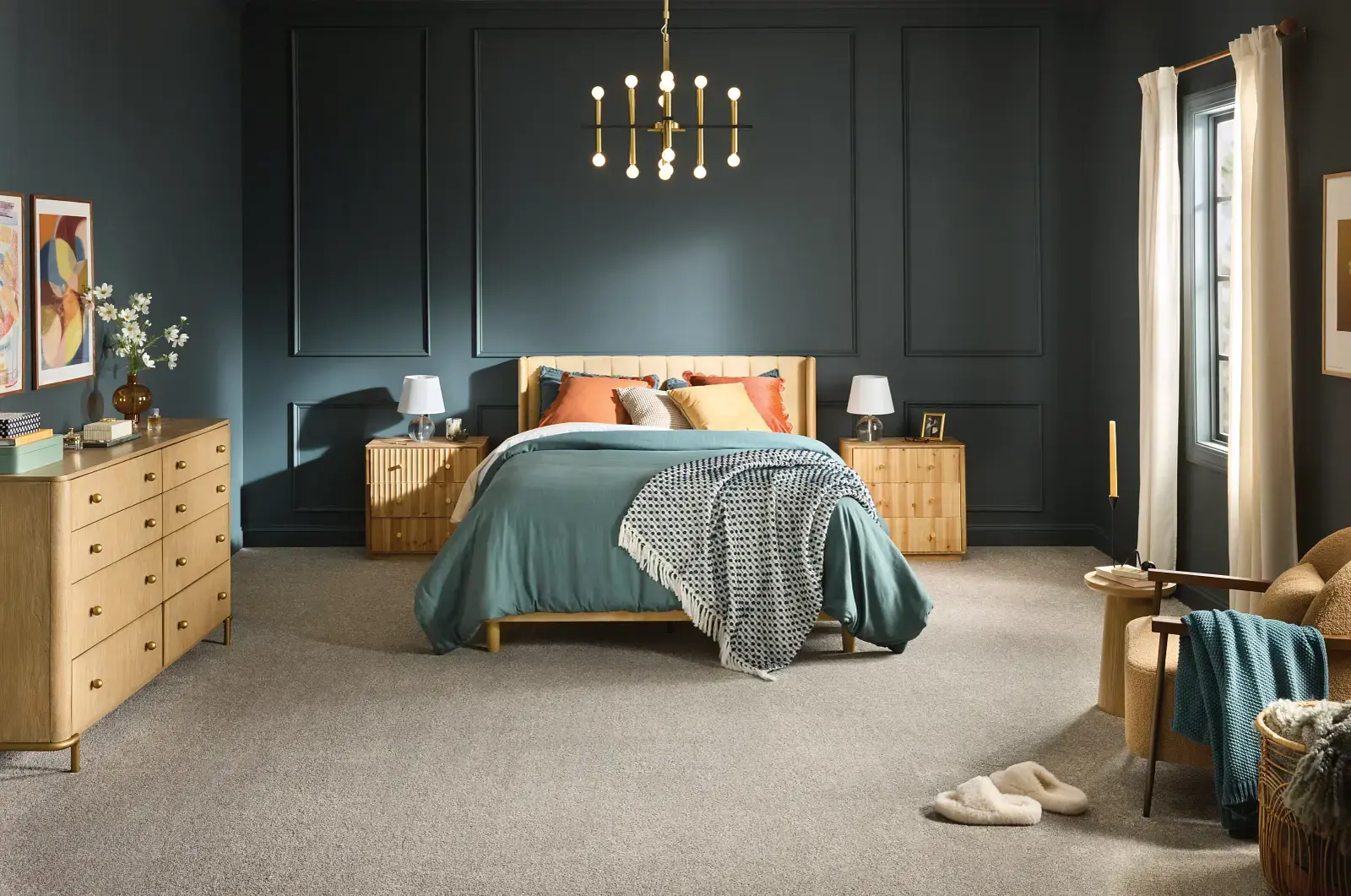
Bedroom Carpet
Soft, quiet carpet that turns any bedroom into a retreat.
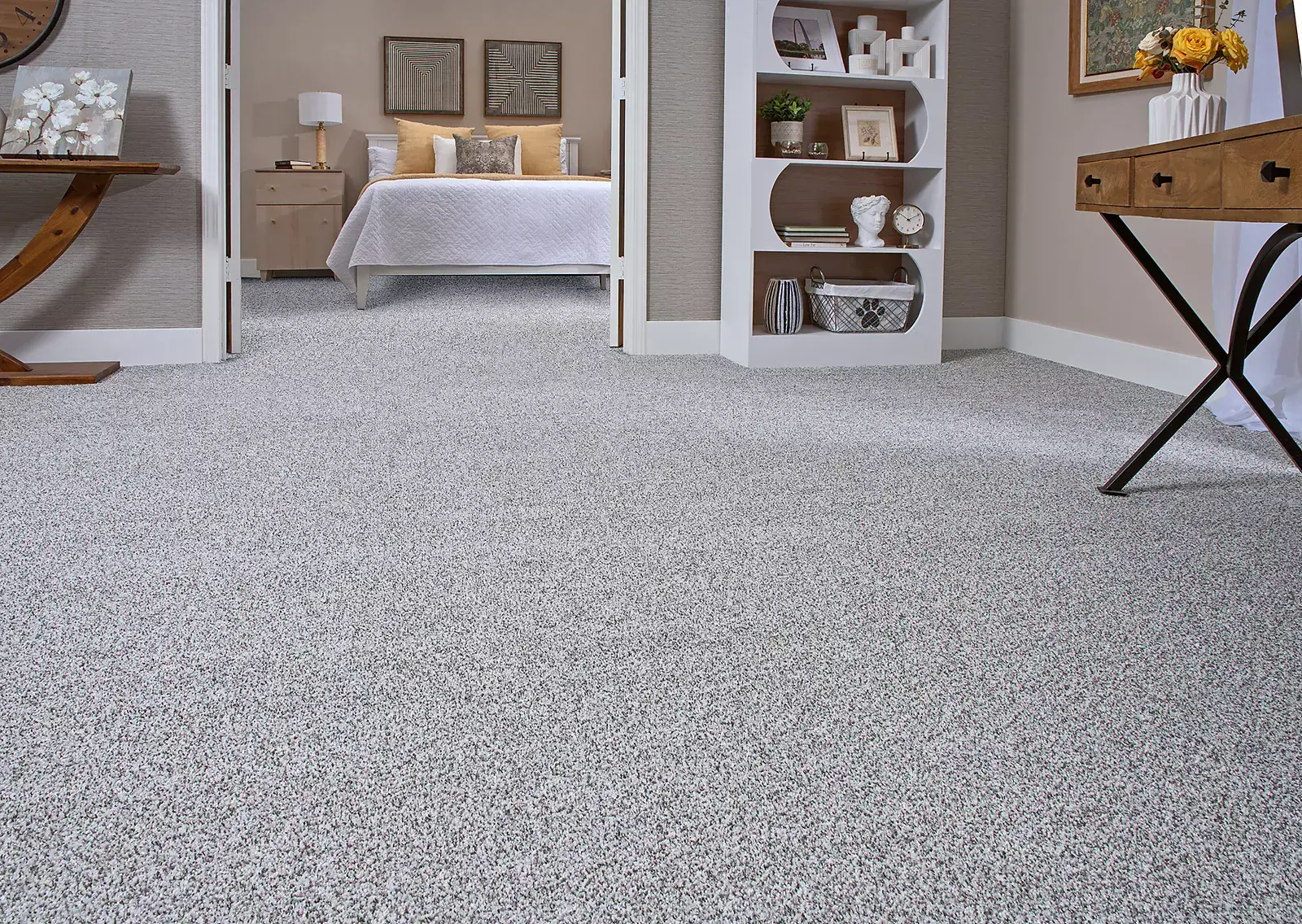
Carpet Repair
Patches, re-stretches, and seam repairs to extend the life of your carpet.
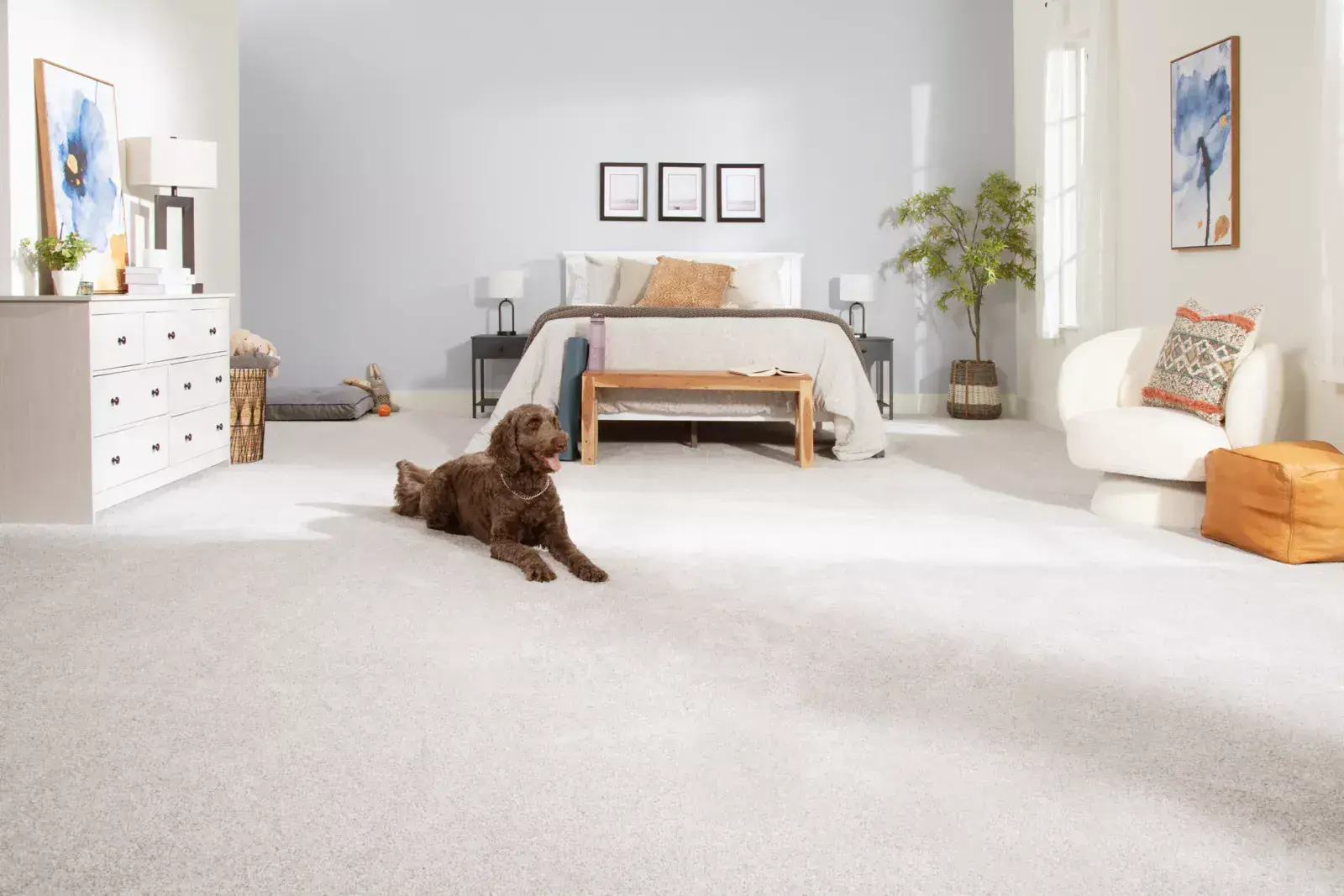
Pet-Friendly Carpet
Stain-resistant, easy-clean carpet built to handle paws and accidents.
Carpet Guide
Ready to Install Pattern Carpet in Your Amador County Home?
Pattern carpet is built using cut-and-loop tufting, where the tufting machine selectively cuts some yarn loops and leaves others intact across the same row, producing a surface with mixed pile heights that read as a repeating geometric or organic motif. The cut tufts sit slightly taller than the looped tufts, so the pattern is created by light hitting two pile heights differently rather than by color alone. This is what gives pattern carpet its characteristic depth, the way the design seems to lift off the floor under raking light. The category also includes tip-sheared loop construction (where a level loop carpet is partially sheared on top to highlight the loop structure underneath) and high-low loop construction (where two different loop heights produce a sculpted look without any cut fibers). Multicolor patterns add color variation on top of the textural variation, producing the bold geometric and organic designs that show up in transitional and contemporary homes across Sutter Creek, Jackson, Amador City, Plymouth, and Volcano.
Read the full carpet guideShow less
Pattern carpet's mixed construction gives it real practical advantages beyond the visual design. The dual pile heights break up sight lines, which is why a busy cut-and-loop pattern hides crumbs, pet hair, vacuum lines, and minor traffic wear better than a solid plush carpet of the same fiber quality. A high-contrast multicolor pattern hides spots and stains even more aggressively because the eye reads the pattern as the dominant visual rather than any one section of the floor. Pile heights in pattern carpet typically run 1/4 inch to 1/2 inch with face weights between 35 and 55 ounces per square yard, and the visual scale of the pattern (small geometric grids versus large abstract motifs) is usually matched to room scale: smaller patterns for halls and stairs where the geometry reads up close, larger patterns for living rooms and primary bedrooms where the design has room to breathe. Fiber selection follows the same logic as solid carpets. Nylon (especially solution-dyed nylon) is the workhorse for pattern carpet because it holds dye depth on multicolor lines and resists crushing in the cut sections, which are the parts of the surface that show wear first. Wool is the premium fiber for high-end pattern construction (Stanton, Karastan, and other heritage mills built their pattern reputations on wool) because it carries dye saturation and pattern definition better than any synthetic. Polyester pattern carpets exist at lower price points and look excellent on day one, but tend to lose pattern definition faster as the cut fibers crush in traffic lanes. Seaming pattern carpet requires more skill and more material than solid carpet because the pattern must align across every seam: a properly seamed pattern install uses pattern-match planning and slightly more square footage than the room's bare measurement, since trim cuts are made to align the repeat. Padding follows the same logic as the underlying construction: a 6 to 8 pound rebond pad at 3/8 to 7/16 inch thickness is right for most pattern installs, with stair runners switching to a denser 8 to 10 pound pad at 1/4 to 3/8 inch thickness. Compared with plush, pattern adds visual interest and hides wear better but feels firmer underfoot. Compared with berber, pattern offers more design range and a softer cut-fiber feel in the high-cut sections, with the trade-off of more careful seaming and slightly higher cost per square yard. Visit our Sutter Creek showroom to see geometric, organic, and tonal pattern samples under lighting that matches your home before you place an order, since pattern carpet often reads differently under store fluorescents than under residential warm-white lighting.
Ready to Transform Your Home?
Get a free estimate from our experienced team. We've been helping Gold Country homeowners since 1976.