
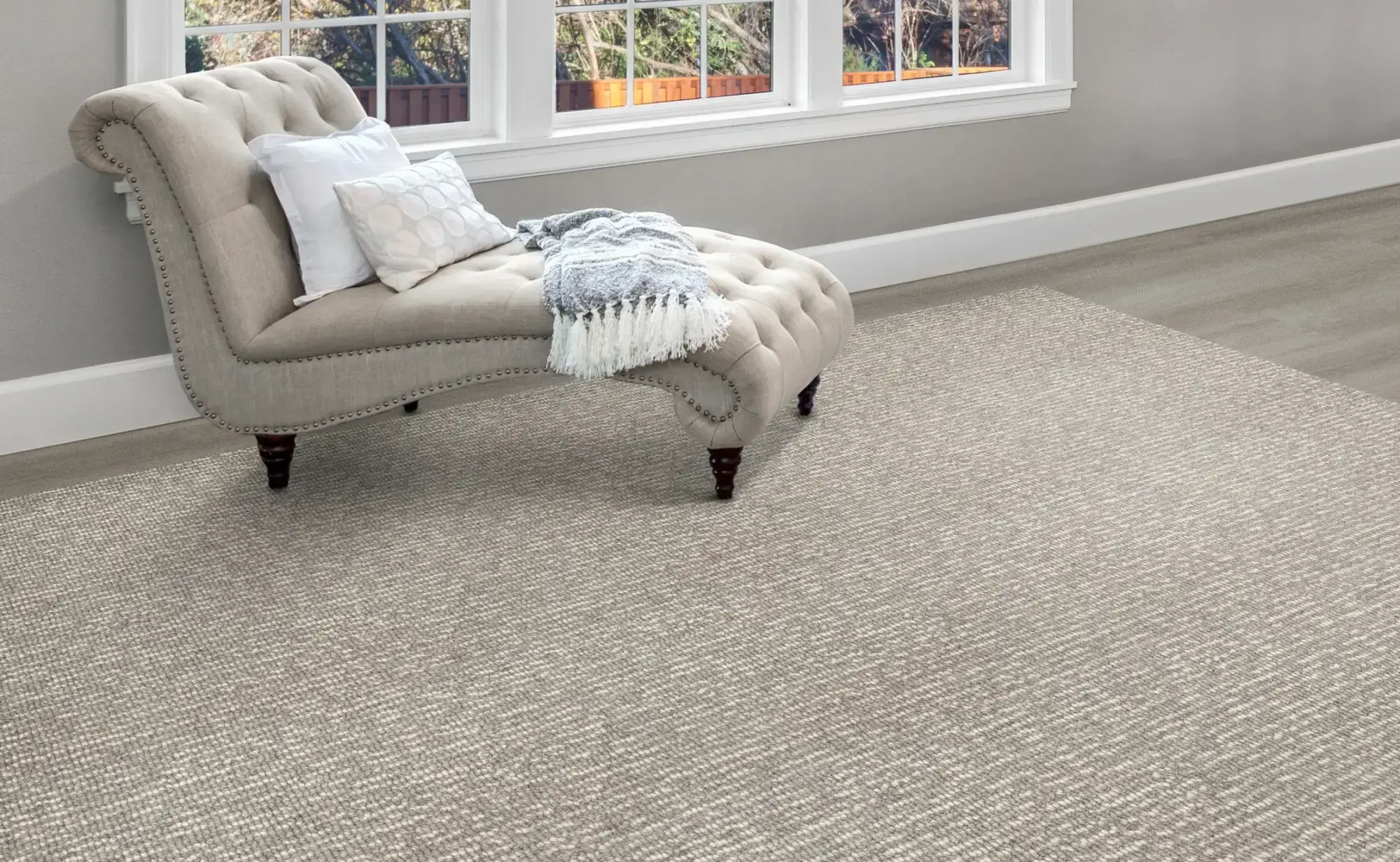
What is Berber carpet flooring?
Berber is loop-pile carpet: tight, uncut yarn loops anchored to a dense backing. A homeowner favorite for family rooms, hallways, and stairs.
Looped surface. Tight loops hide footprints and vacuum tracks.
Low-pile yarn. Dense fibers resist crushing underfoot.
Color flecks. Subtle tones mask everyday debris.
Woven backing. Holds every loop in place so the carpet wears evenly.
- Highly durableBuilt for busy rooms.
- Easy to cleanSpills sit on top.
- Neutral paletteBlends with any décor.
Why choose Berber carpet flooring?
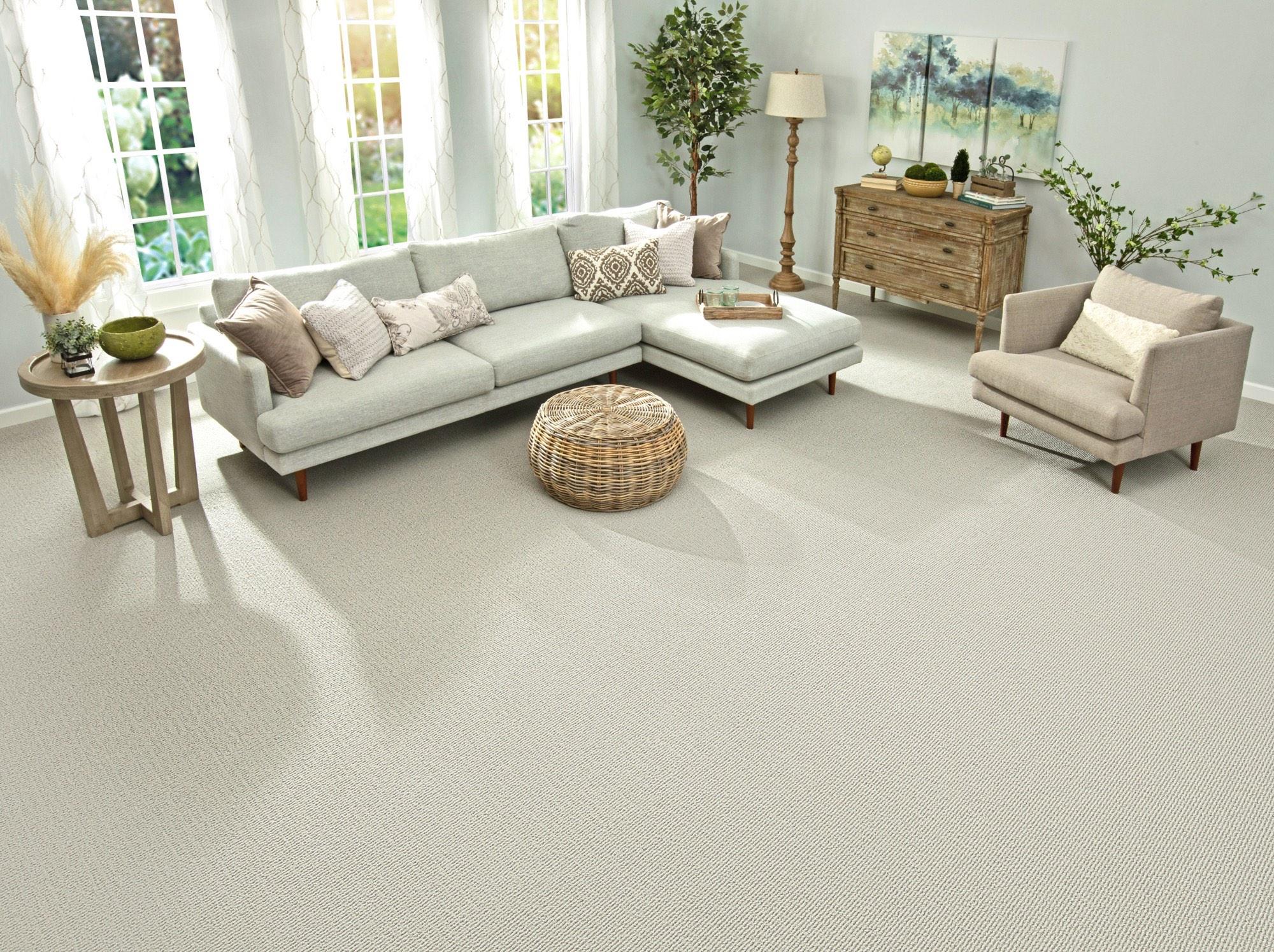
Picking carpet is the first call. Picking the right TYPE of carpet is the harder one. Berber wins when you're shopping for the rooms that get used hardest: family rooms, hallways, and stairs. Its looped surface is the most forgiving in a busy home, and the casual texture suits how people actually live.
Where it loses ground is formal spaces. If you're carpeting a primary bedroom or a sitting room where feel matters more than wear, plush or pattern carpet usually wins out. For everywhere else, the value math is hard to argue with.
Berber carpet features
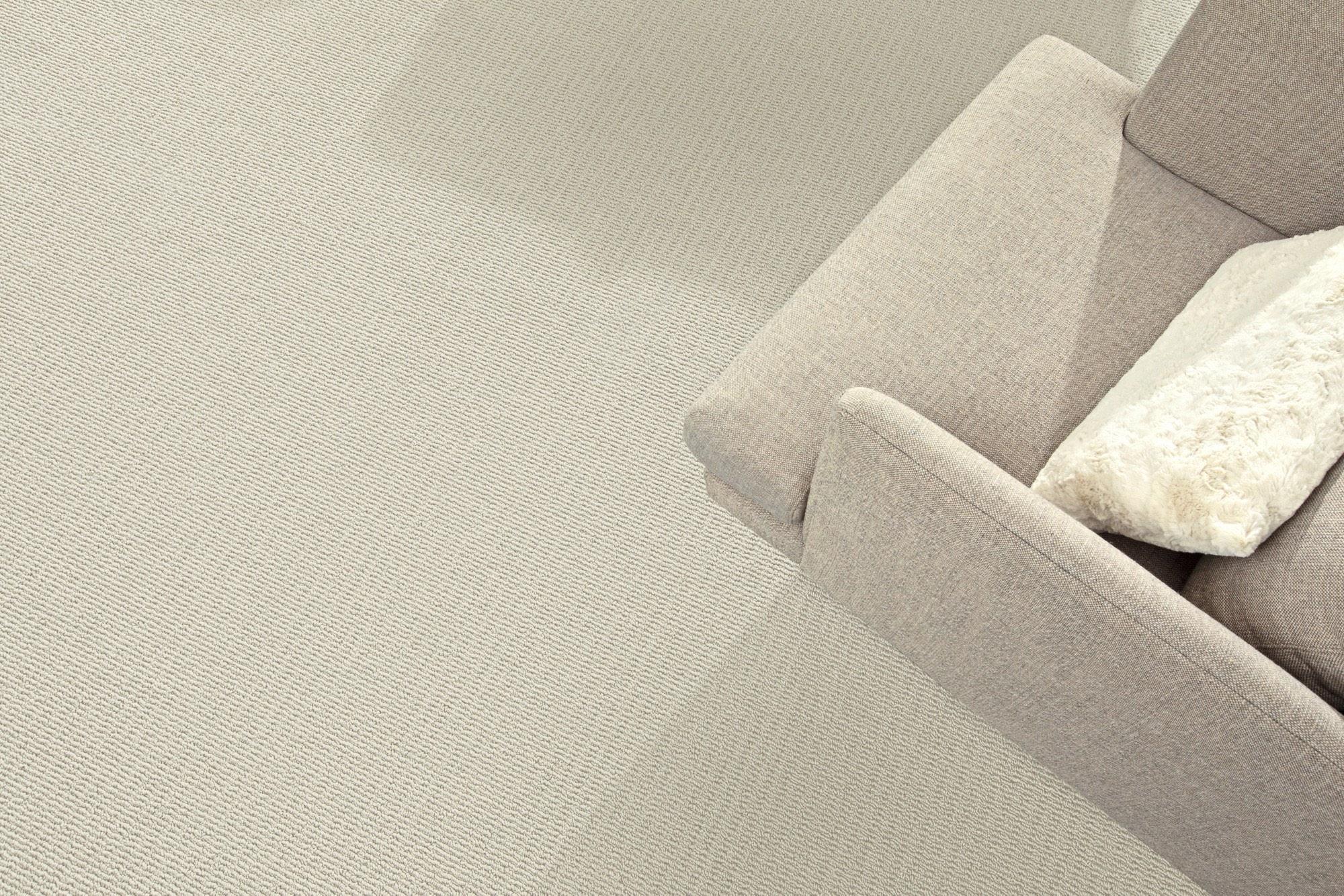
Comfortable, low-maintenance, and built for the way people actually live.
- Designed for busy households with kids, pets, and constant foot traffic.
- Mid-range pricing: premium look without the premium plush price tag.
- Hundreds of neutral colorways that pair with almost any wall or furniture.
The Berber Carpet We Carry
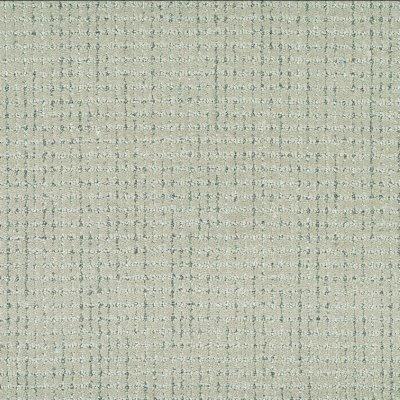
Real berber carpet styles in stock. Filter by color and preview any of them on your own floors.
Distinct Accent
Soft Splendor
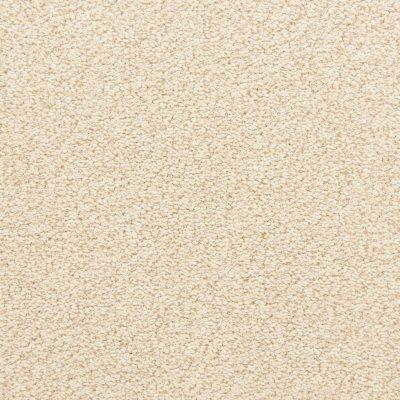
Enduring Appeal
Soft Splendor petdefense™
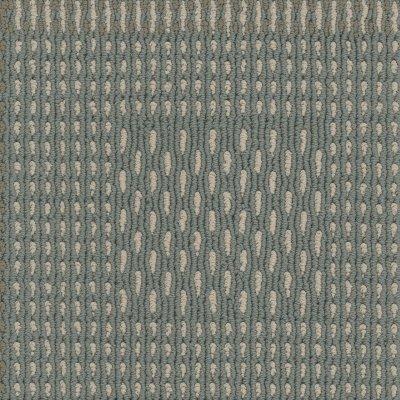
Fine Point
Soft Splendor petdefense™
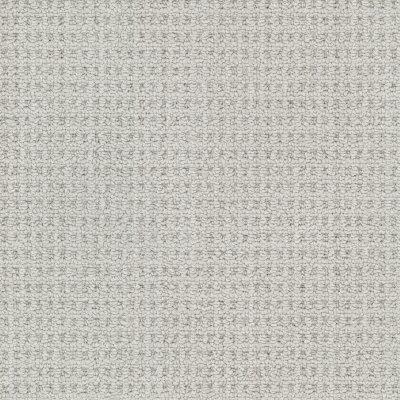
Pleasant Cottage
Abbey Carpet
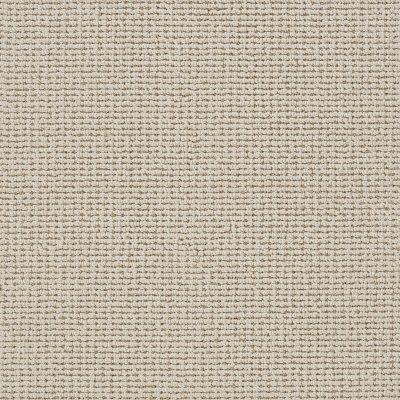
Legacy Manor
Soft Splendor
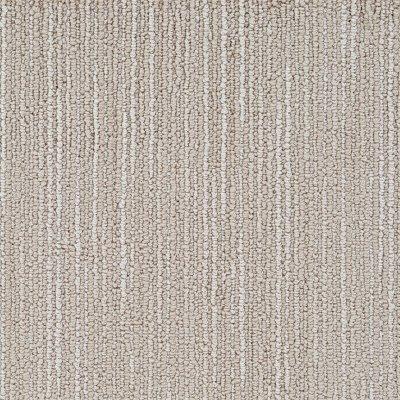
Grant Pass
Soft Splendor petdefense™
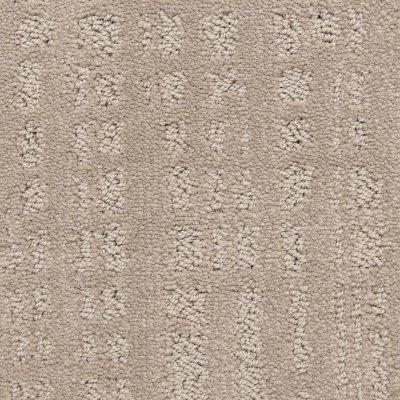
Havana Heritage
Soft Splendor petdefense™
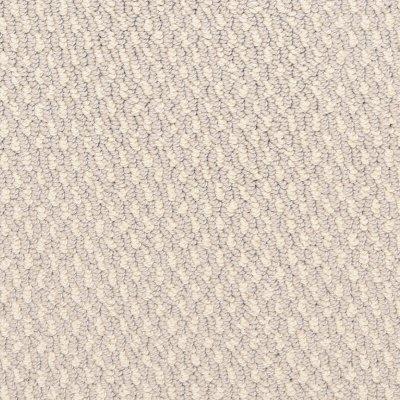
Lake Howell
Soft Splendor petdefense™
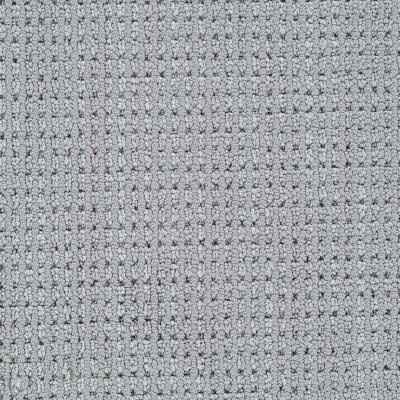
High Point
Soft Splendor petdefense™
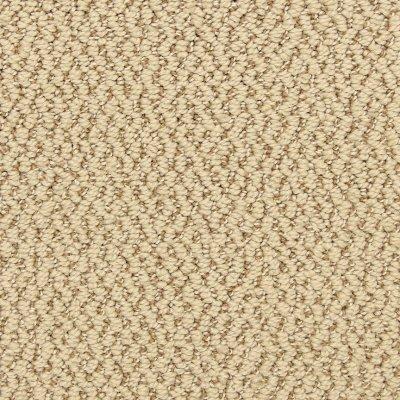
Inspired Design
Soft Splendor petdefense™
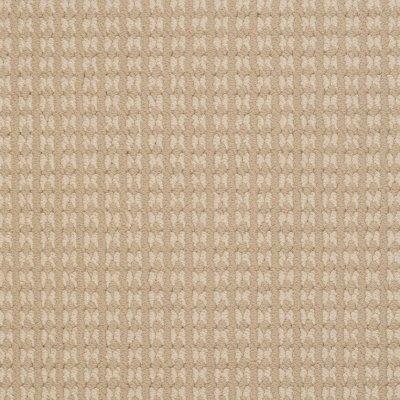
Hannon Park
Soft Splendor petdefense™
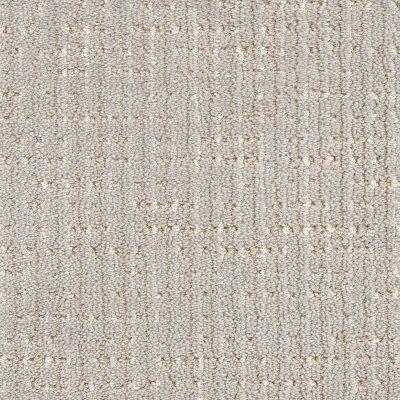
Sandbank
Abbey Carpet
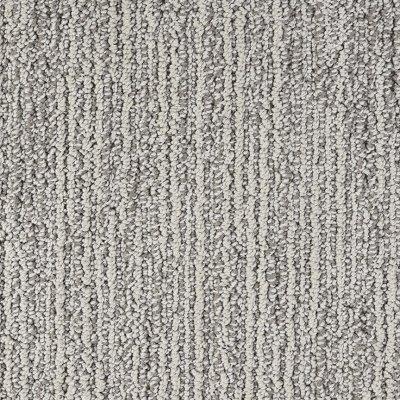
Noble Beauty
Soft Splendor
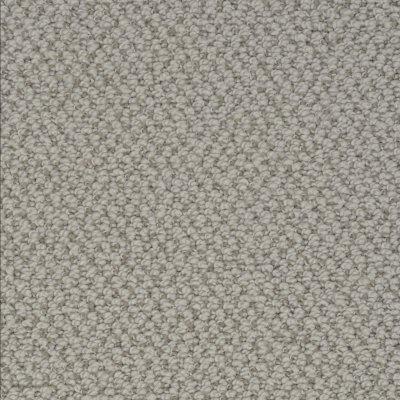
Impossible Spring
Abbey Carpet
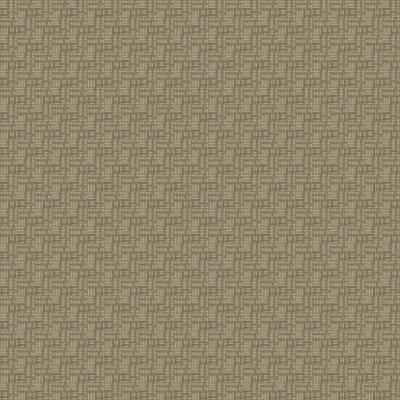
San Salvador
Abbey Carpet
50 years in Amador County · Lifetime warranty · Free in-home estimates
Rated 4.8 from 89 Google reviews
“JP helped us with flooring throughout our whole house. From helping us with estimates, picking out flooring and making sure we had prompt, excellent installation. JP even stayed in contact with the painter and coordinated with them so we didn't have to worry about anything. The floors came out amazing and now we are working with owners, Chad and Taylor for our Window coverings.”
01 / 05
Related Carpet Options
Explore other carpet styles and projects we handle.
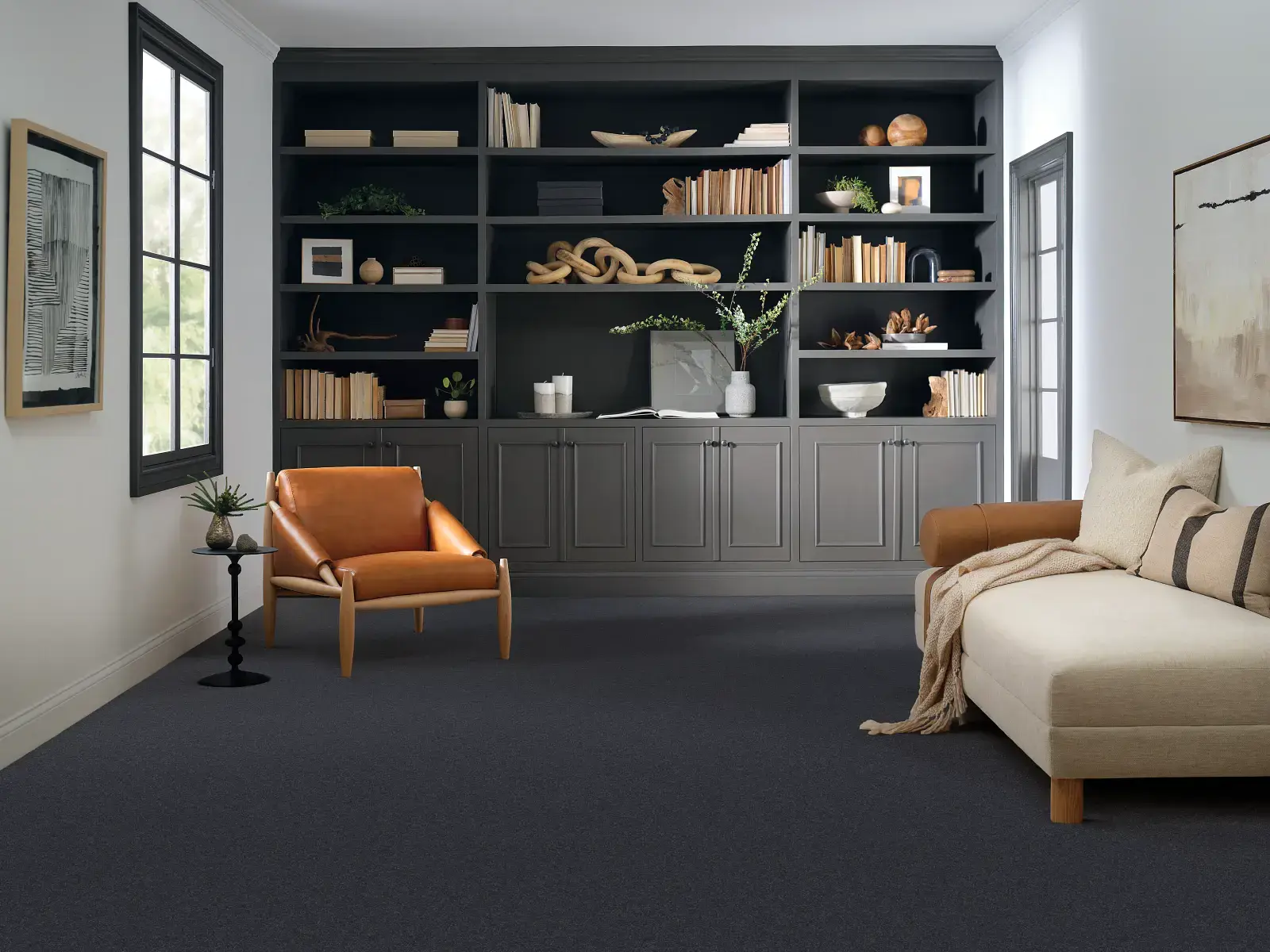
Plush Carpet
Dense, even-cut pile that feels luxurious underfoot, ideal for bedrooms.
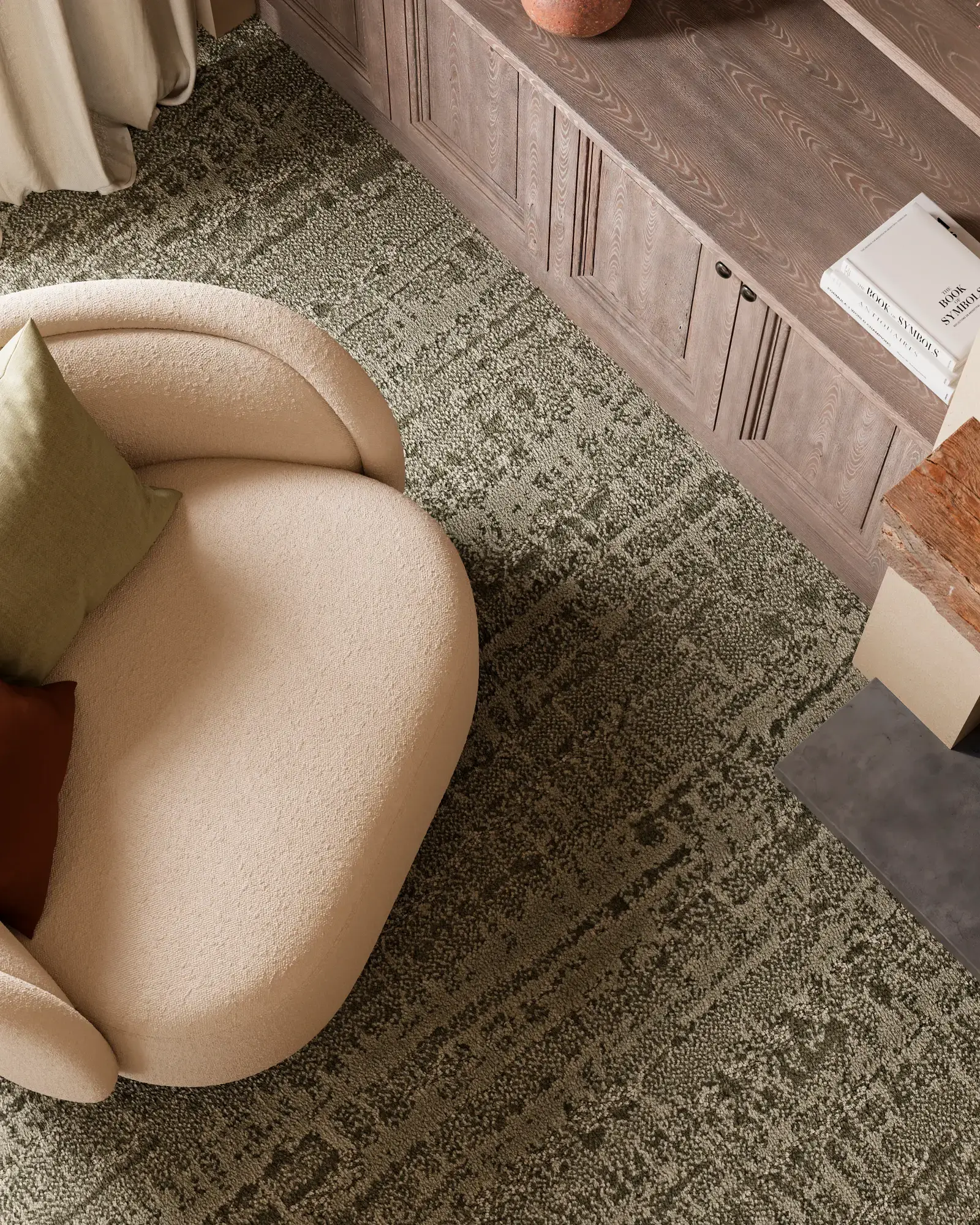
Frieze Carpet
Twisted yarn fibers create a casual texture that hides wear and footprints.
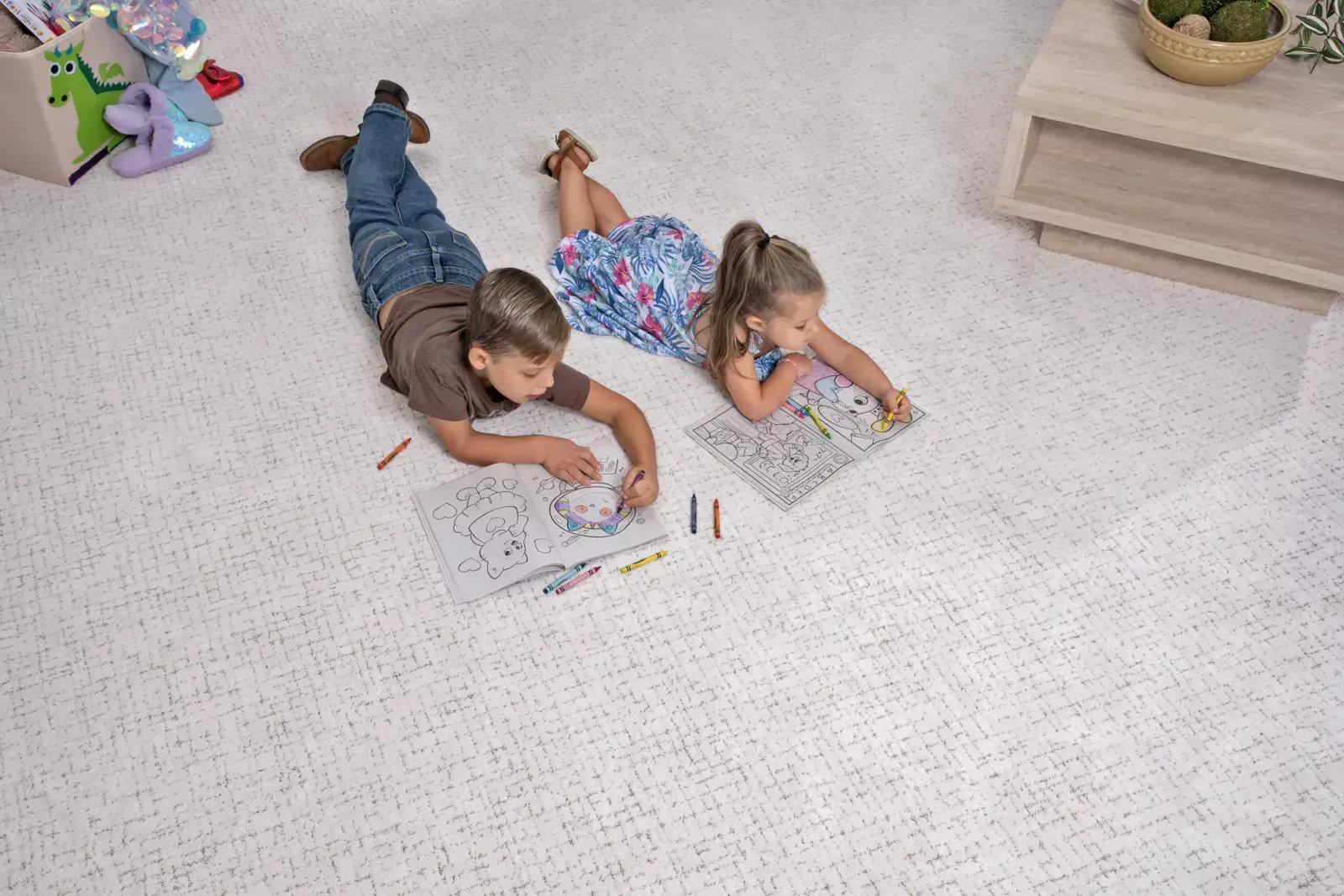
Pattern Carpet
Cut-and-loop construction with built-in patterns for visual interest.
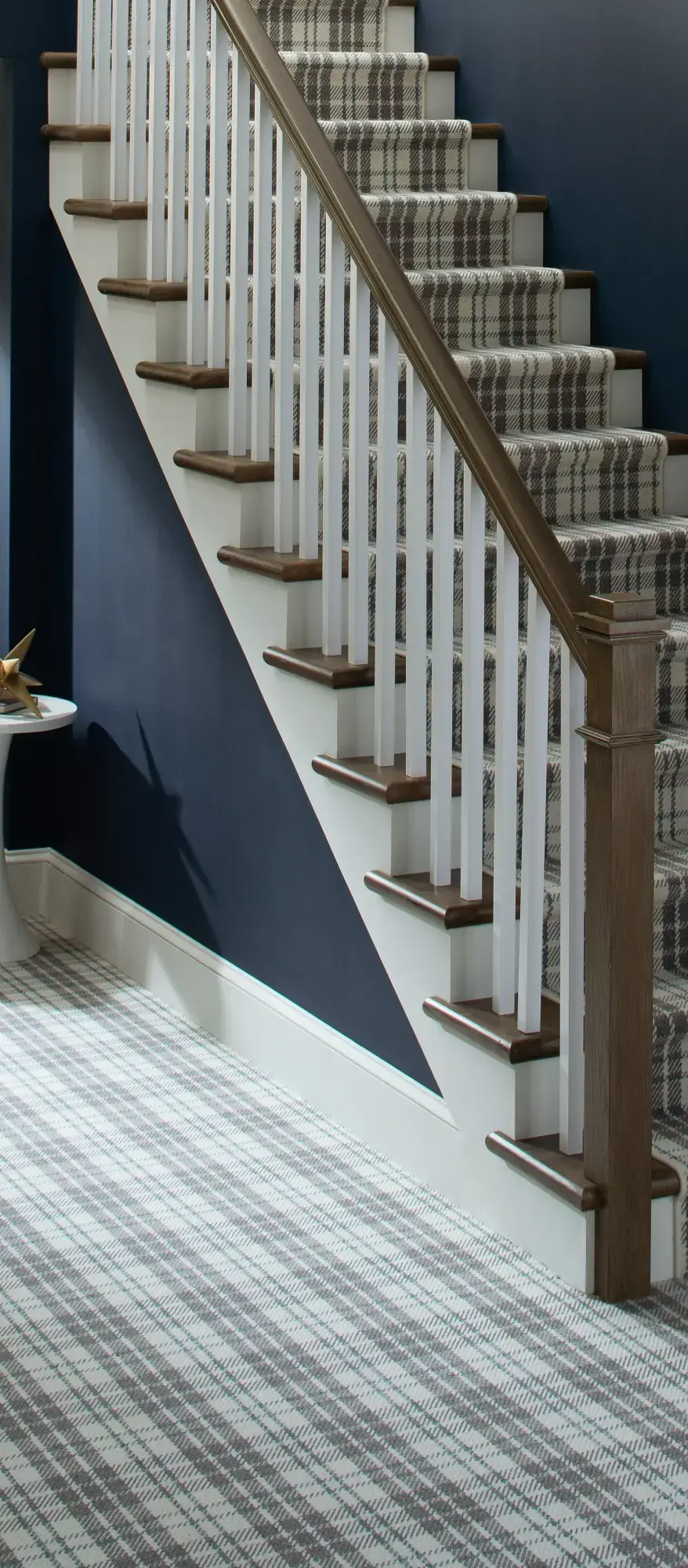
Stair Runners
Custom-cut and bound stair runners that protect treads and look stunning.
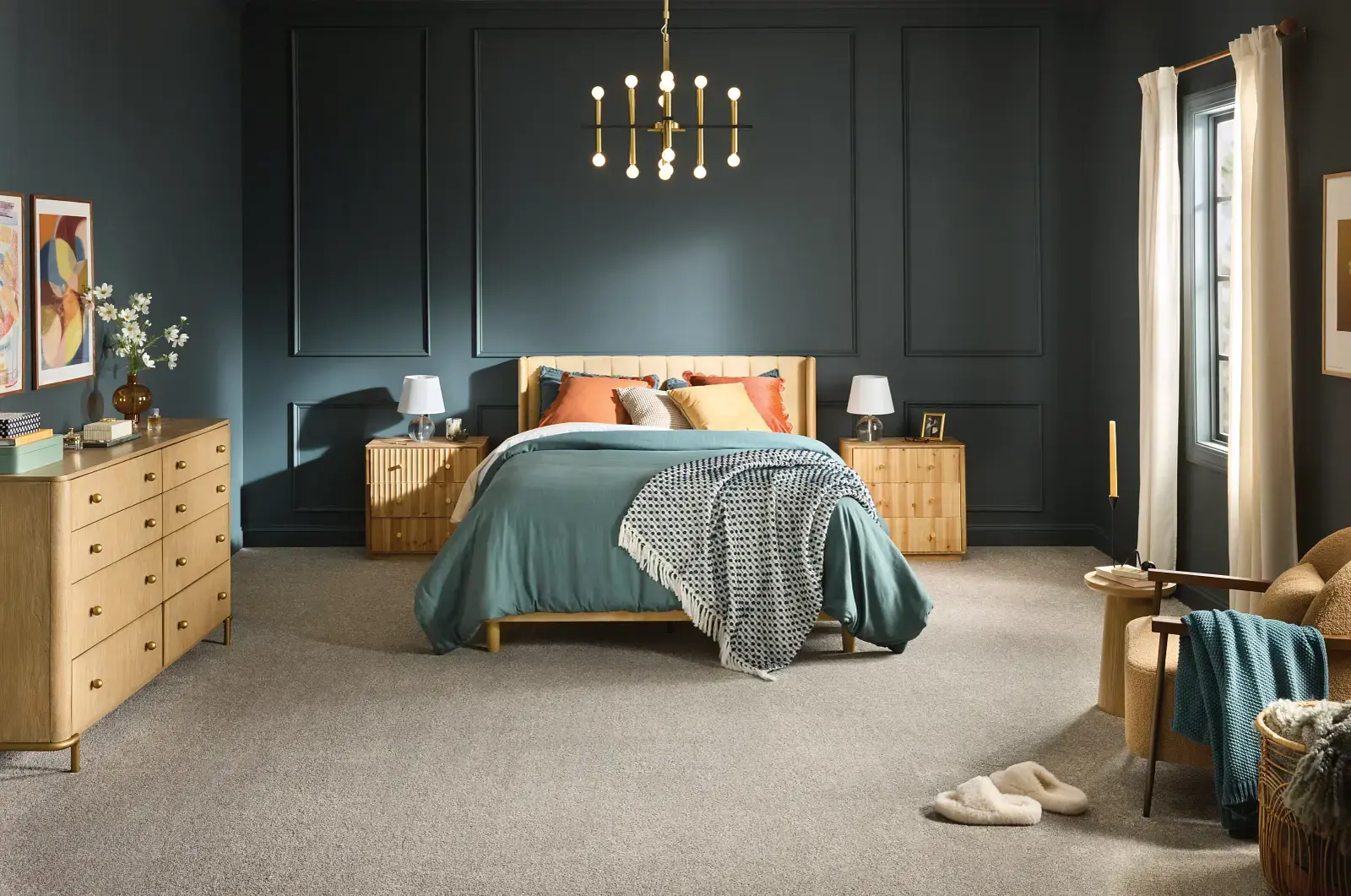
Bedroom Carpet
Soft, quiet carpet that turns any bedroom into a retreat.
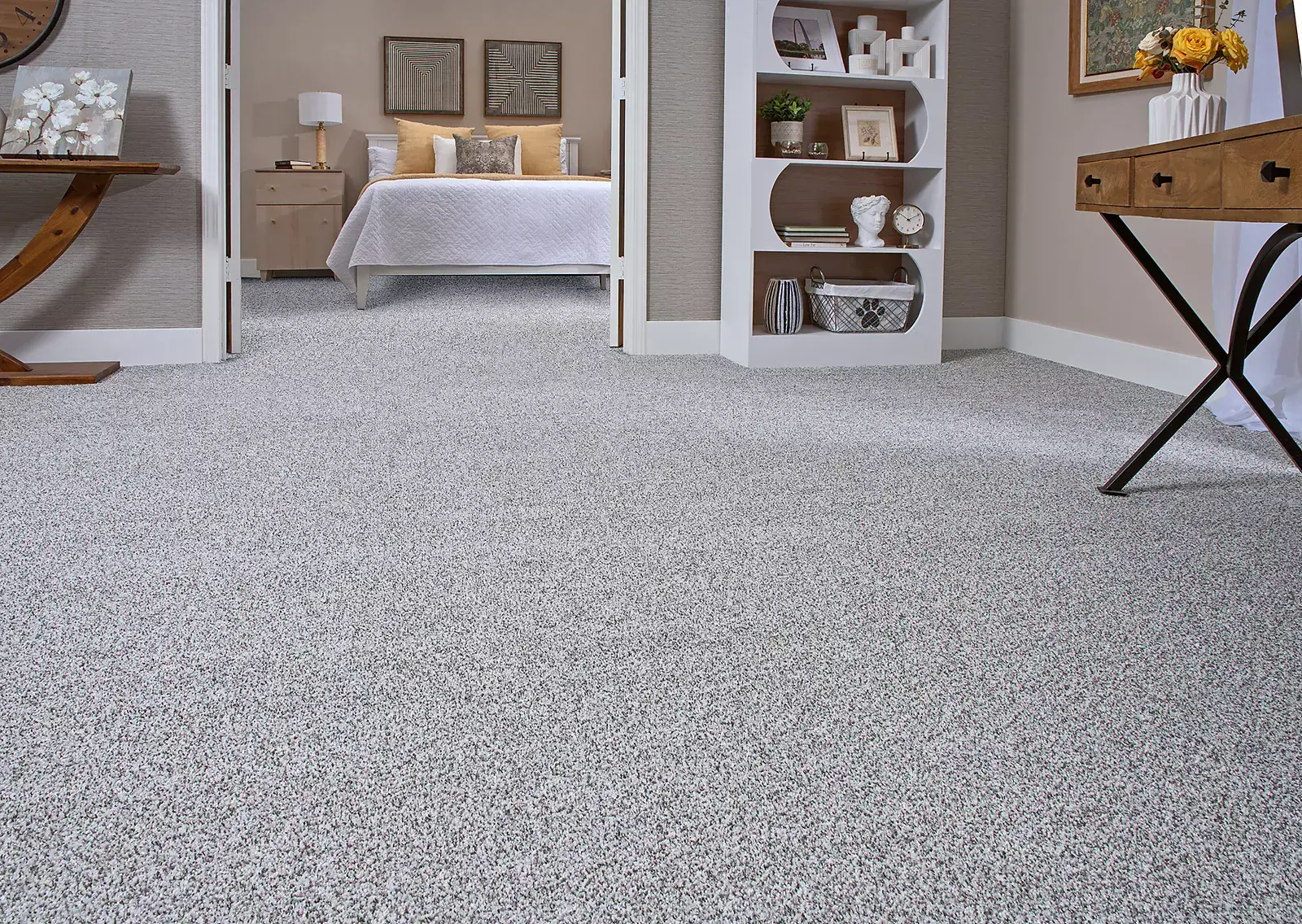
Carpet Repair
Patches, re-stretches, and seam repairs to extend the life of your carpet.
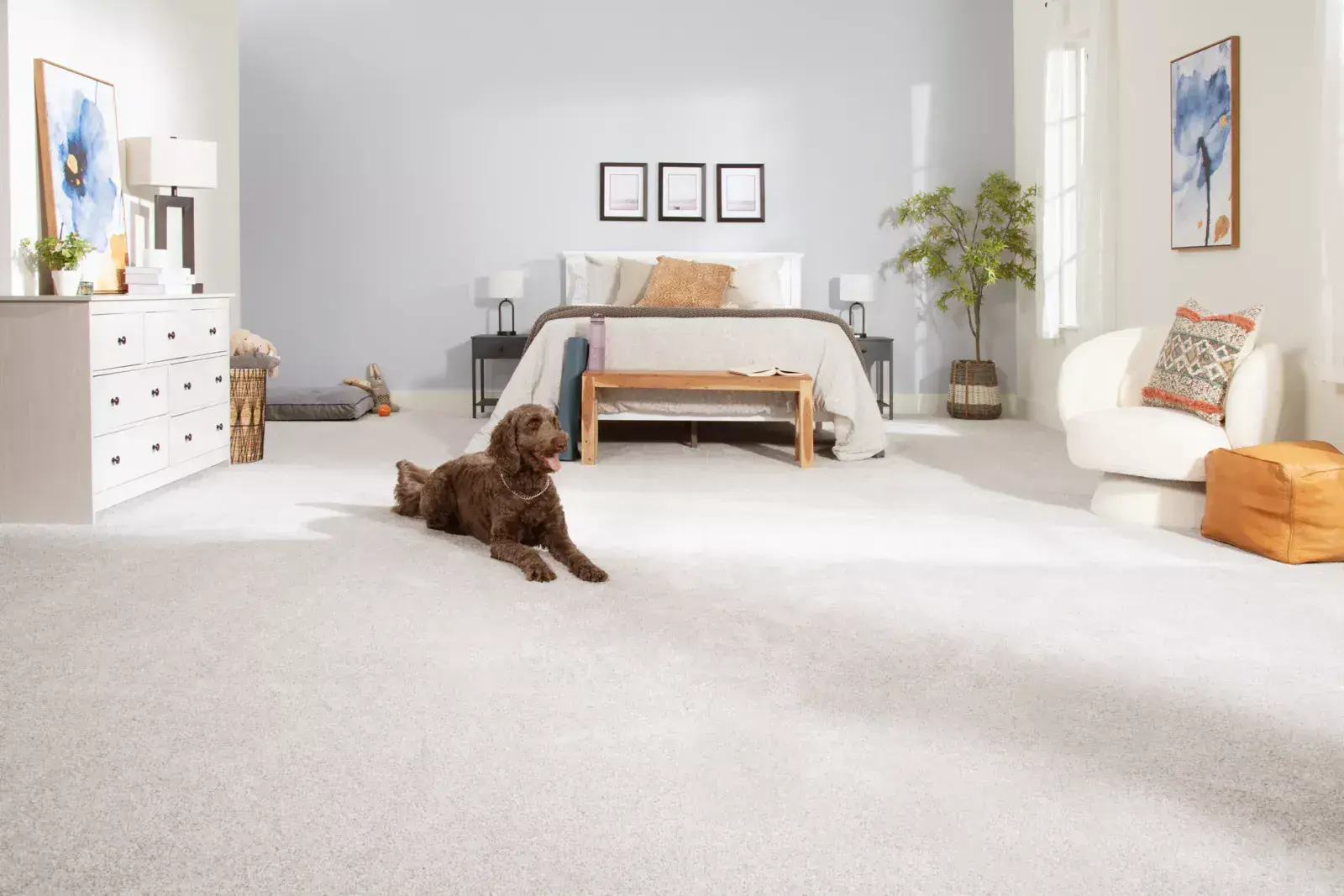
Pet-Friendly Carpet
Stain-resistant, easy-clean carpet built to handle paws and accidents.
Carpet Guide
Ready to Install Berber Carpet in Your Amador County Home?
Berber carpet is a loop-pile construction where the yarn loops are left uncut and locked into a woven backing, producing a low, dense surface that wears longer than almost any other carpet style in the same price range. The loops are formed by passing yarn through the backing on a tufting machine, then heat-setting the shape so it holds its profile under traffic. Gauge (loops per inch across the width) and stitch rate (loops per inch along the length) together determine how tight the surface reads and how well it resists crushing. A tight gauge of 1/10 inch with a high stitch rate produces a denser, more stable Berber than a wider 1/8 gauge with a slack stitch rate, even when face weight numbers look similar. Berber is built for the rooms where carpet earns its keep: hallways, family rooms, stairs, basements, and home offices across Sutter Creek, Jackson, Pine Grove, and Pioneer.
Read the full carpet guideShow less
Fiber choice drives most of how a Berber performs over its life. Olefin (polypropylene) is the historic Berber fiber and remains common at the value end of the category because it is inherently moisture-resistant and inexpensive, which makes it well suited to basement installs and rooms where spills are likely. The trade-off is that olefin has a low melting point and crushes faster than nylon under sustained traffic, which is why long hallways and stairs are better matched with a nylon Berber. Nylon (Type 6 and Type 6,6) is the resilient fiber: it springs back from footprint compression better than any other synthetic, holds color longer, and is the standard choice when a Berber needs to last 12 to 15 years in a high-traffic home. Wool Berber is the premium tier, prized for its natural lanolin-based stain resistance, fire resistance, and a hand that softens with age rather than wearing down. Solution-dyed fibers across all three categories outlast topically-dyed fibers in sun-exposed rooms because the color runs through the strand rather than sitting on the surface. Berber's loop construction does have one behavior to plan around: a snagged loop can run if pulled, the same way a sweater pulls. Trim snags with scissors rather than tugging them out, and avoid stiletto heels or unmatted chair casters. Padding matters more for Berber than for cut-pile styles because the low pile transmits subfloor texture and impact directly through the carpet. A 6 to 8 pound rebond pad at 3/8 inch thickness is the right starting point for residential Berber; thicker pads can void manufacturer warranties on low-pile loop construction because they let the carpet flex too much under load. For stairs, switch to a denser 8 to 10 pound pad at 1/4 to 3/8 inch thickness so the carpet rolls cleanly over the nose of each tread. Compared with plush carpet, Berber hides footprints and vacuum tracks but feels firmer underfoot. Compared with frieze, Berber gives up some of the casual texture that hides crumbs and pet hair but gains a tighter, more architectural look that suits transitional and contemporary interiors. Visit our Sutter Creek showroom to handle olefin, nylon, and wool Berber samples side by side and see how gauge, stitch rate, and fiber weight feel in the hand before you order.
Ready to Transform Your Home?
Get a free estimate from our experienced team. We've been helping Gold Country homeowners since 1976.