
50 years in Amador County · Lifetime warranty · Free in-home estimates
Related Tile & Stone Options
Explore other tile & stone styles and projects we handle.
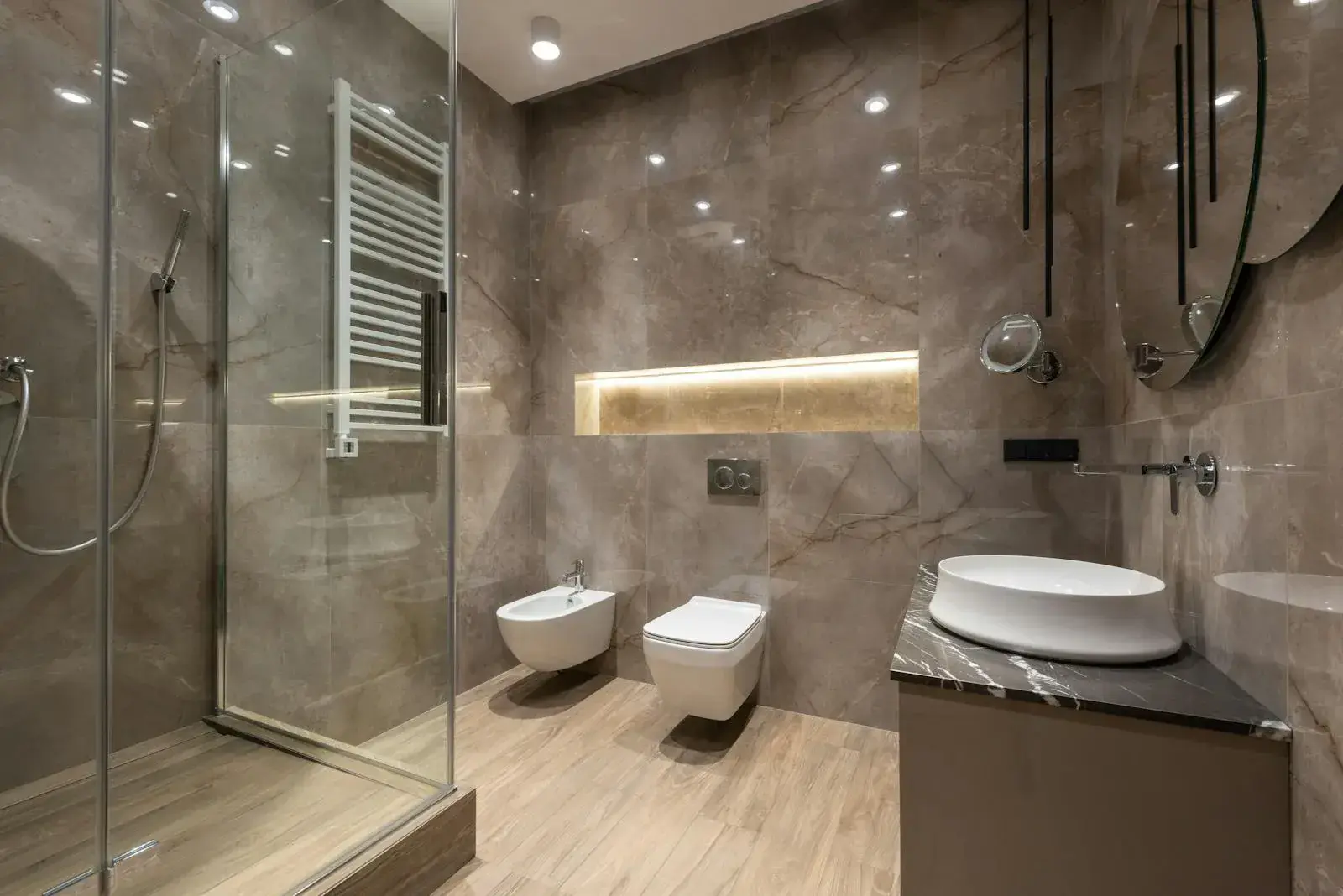
Porcelain Tile
Dense, low-absorption tile that handles wet areas and high traffic.
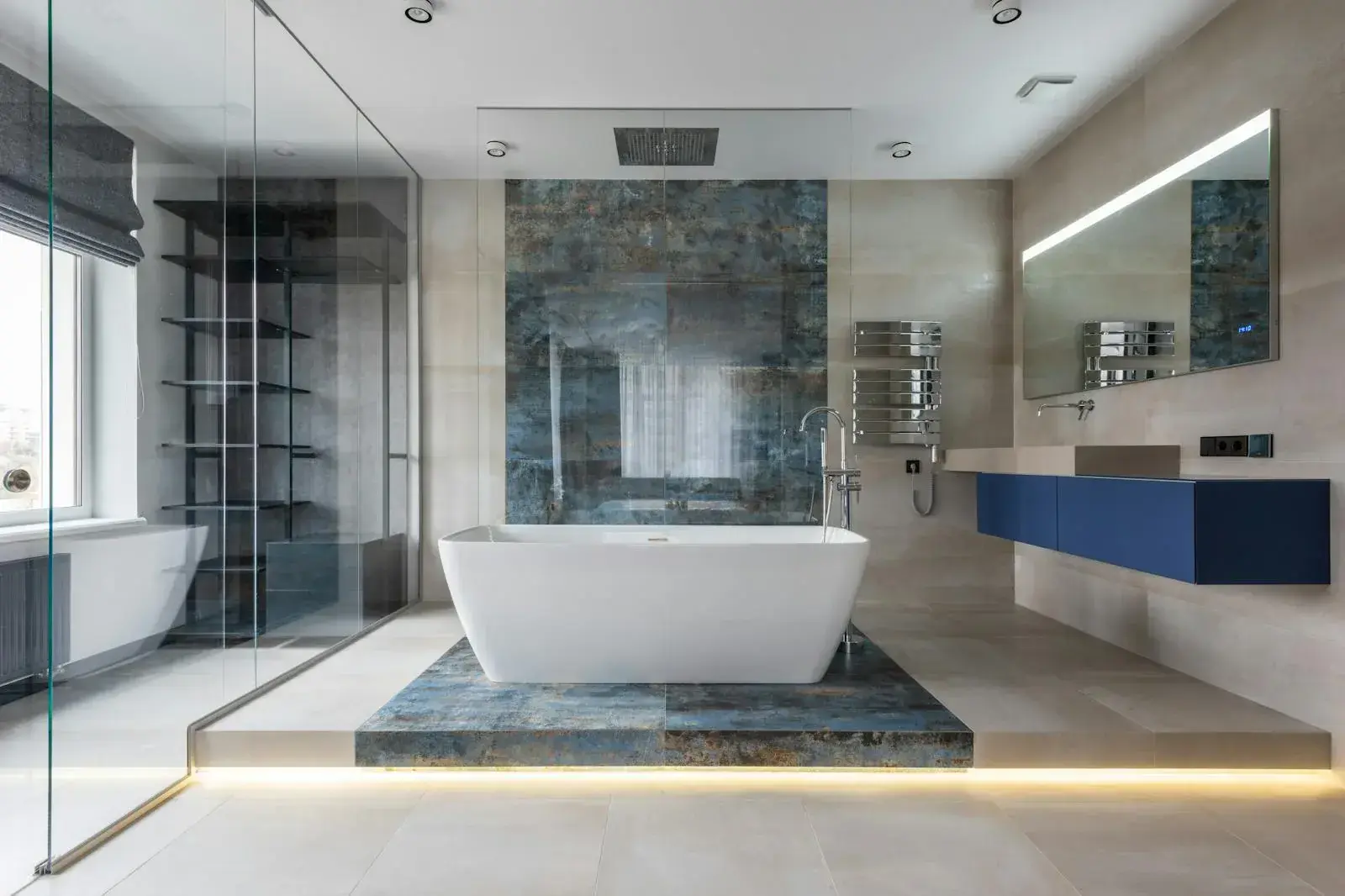
Ceramic Tile
Versatile, cost-effective tile available in countless colors and patterns.
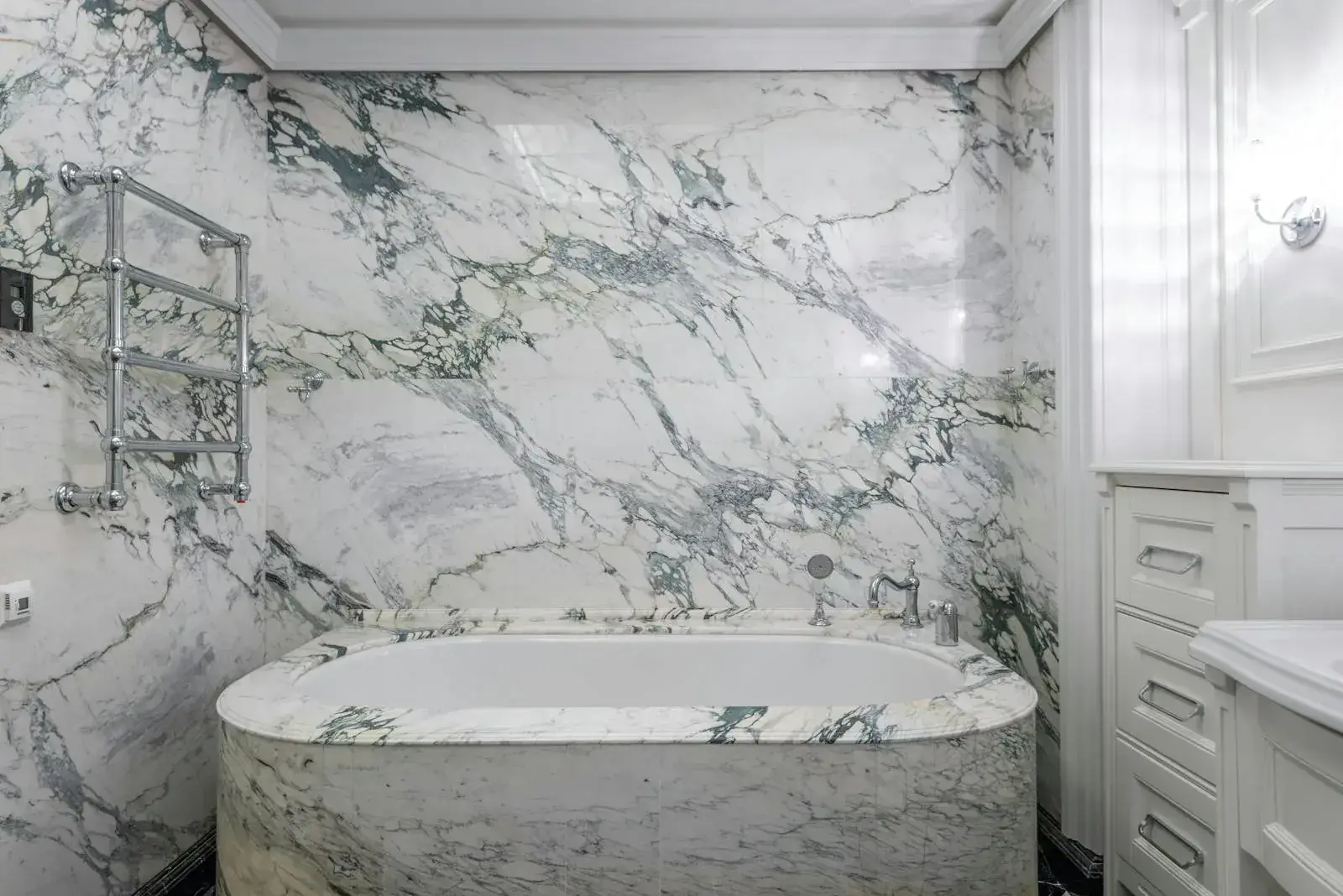
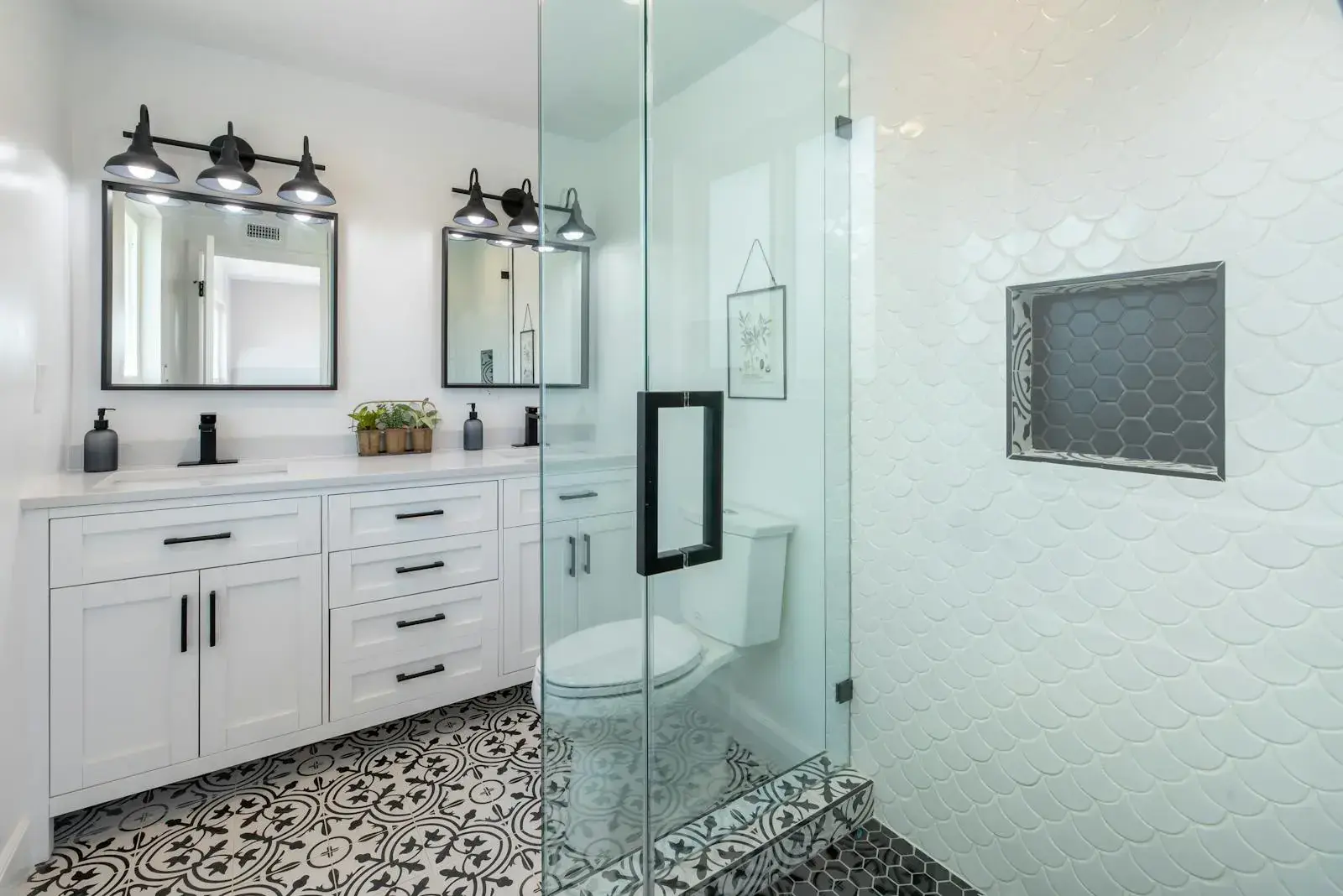
Natural Stone
Marble, travertine, slate, and granite, distinctive natural character in every piece.
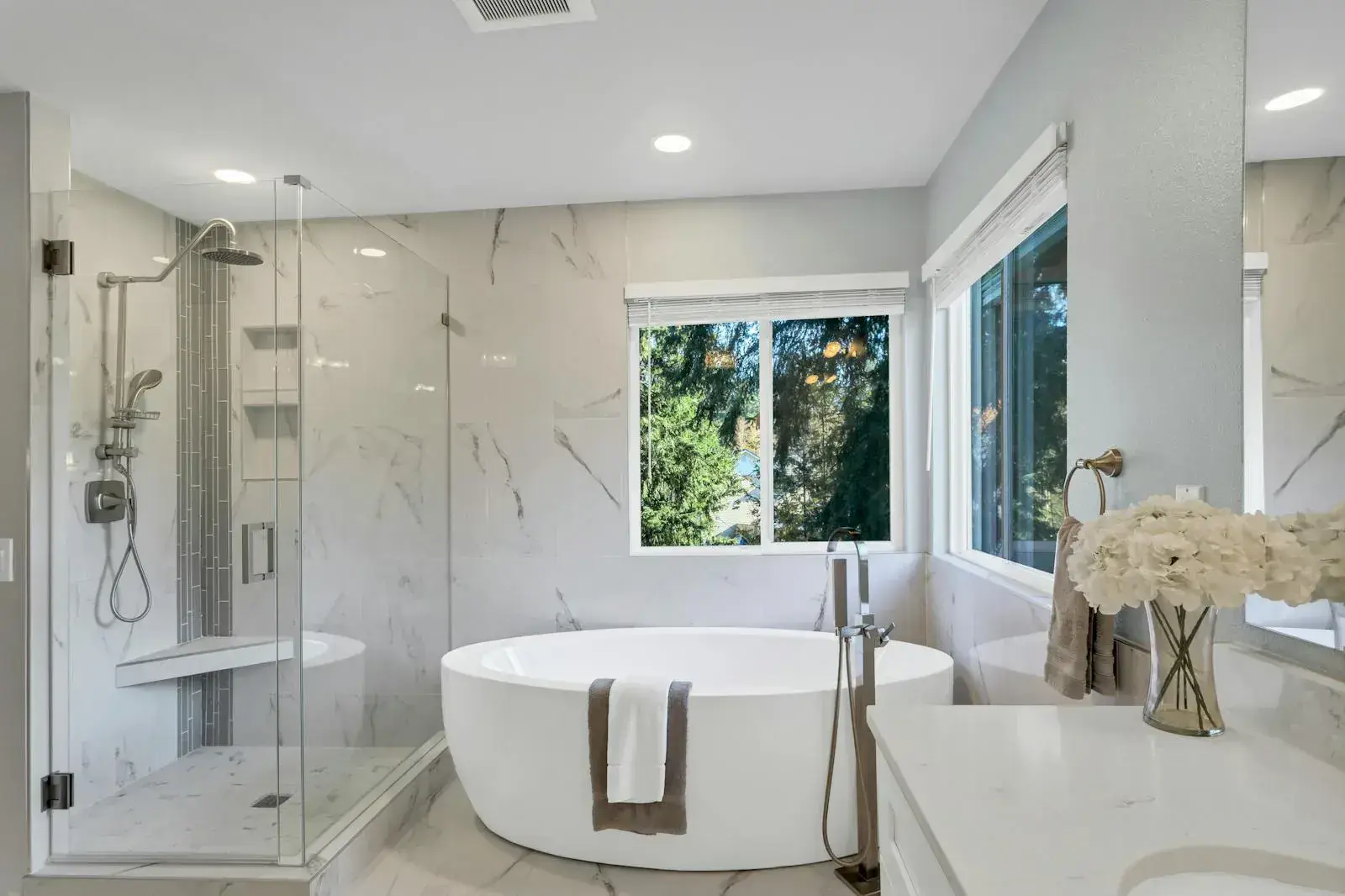
Bathroom Tile
Water-resistant tile for floors, walls, and showers in any bath.
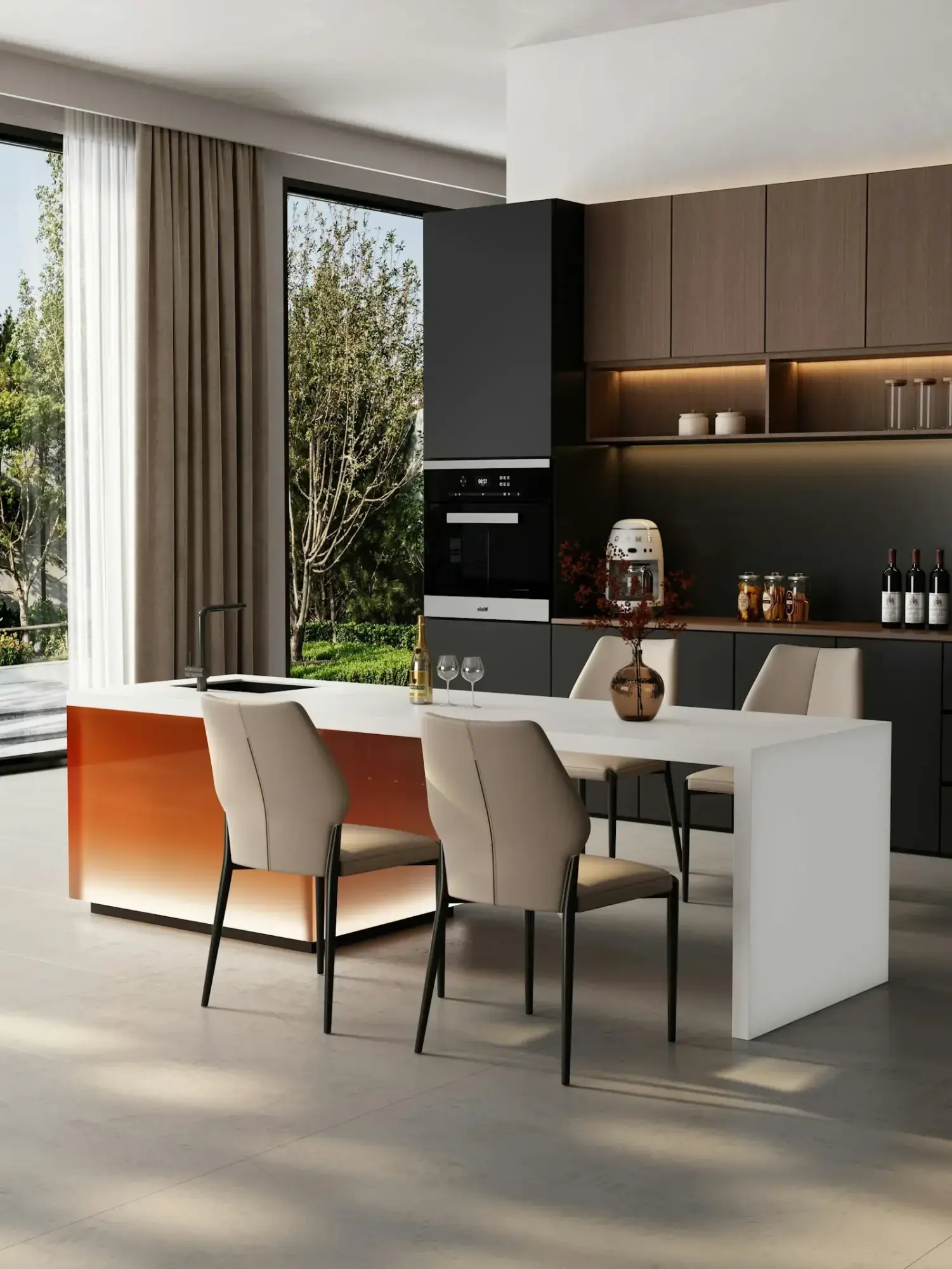
Kitchen Tile
Durable, easy-clean tile floors for the heart of your home.
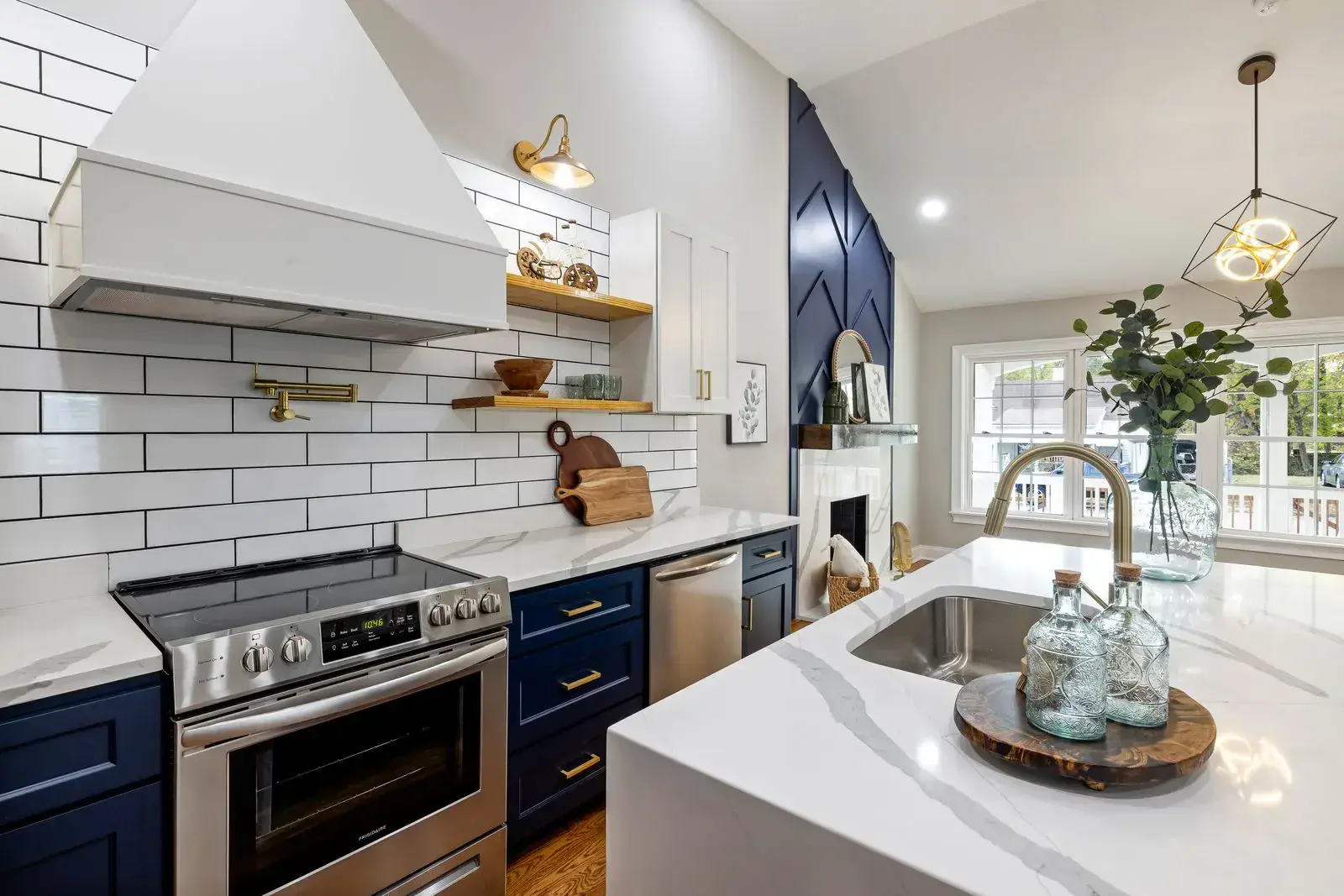
Backsplash Tile
Subway, mosaic, and statement backsplashes that finish a kitchen.
Tile & Stone Guide
Ready to Have a New Tile Shower Installed in Your Amador County Home?
A tiled shower is the highest-stakes tile installation in a home. Unlike a kitchen floor or a backsplash, a shower sees direct, repeated, pressurized water exposure on every surface every day, often for the next thirty years. Everything that goes into a shower (the substrate, the waterproofing, the slope, the drain, the tile, the grout, the niches, the benches) has to work together as a system. Done right, a tile shower outlasts the bathroom it sits in. Done wrong, water finds its way behind the tile within a year or two and the entire assembly has to come out. For Amador County homeowners planning a primary bathroom remodel, understanding how a modern tiled shower is actually built makes every other decision easier.
Read the full tile & stone guideShow less
Modern shower construction is built around a continuous waterproofing membrane behind the tile, not on the tile. Three approaches dominate today. Bonded sheet membranes (Schluter Kerdi and similar) are thin polyethylene sheets adhered to cement backerboard or directly to drywall with thinset, forming a continuous waterproof skin over walls, curbs, and benches. Foam panel systems (Wedi, Kerdi-Board, GoBoard) replace traditional backerboard with a lightweight waterproof panel that doubles as the substrate and the waterproofing in one product, with seams sealed by waterproof tape and sealant. Liquid-applied membranes (RedGard, Hydro Ban, and similar) are painted or rolled onto a cement backerboard substrate in two coats to create a flexible waterproof coating. Hot mop (a layered hot-tar membrane applied by a specialized crew under the shower pan) is the traditional West Coast approach for the floor only and is still widely used. The shower floor requires a pre-slope (built into the mortar bed or shower pan beneath the membrane) that directs any water that does get past the tile toward the drain. The visible tile slope above the membrane (typically 1/4 inch per foot toward the drain) sheds water off the floor surface. Drain assembly choice (traditional clamping drain, integrated bonded-flange drain compatible with sheet membranes, or linear drain in modern curbless designs) is matched to the waterproofing system. Niches (recessed shelves for shampoo and soap) and benches are built into the framing, waterproofed continuously with the rest of the assembly, and tiled to match. Curbless or zero-threshold showers, increasingly common in new construction and aging-in-place remodels, require the bathroom subfloor to be lowered or built up so the shower floor drains without a curb to step over. Tile selection inside the shower follows two principles. The shower floor needs small-format tile (1x1, 2x2, or 2x4 mosaics) so the grout joints add traction underfoot and the tile can conform to the slope toward the drain; large-format floor tile does not slope cleanly without lippage. The walls take larger-format tile (4x12 subway, 12x24 porcelain, 24x48 slab) for fewer grout lines and easier cleaning. Grout in a shower should be epoxy or urethane for the best water and stain resistance, or a high-quality cement grout sealed thoroughly at install and resealed every one to two years. The change of plane joints (corner-to-corner, floor-to-wall, around the curb, around the bench) get silicone caulk in a color that matches the grout, never grout itself, because grout cracks at any seam that flexes. The big-picture choice between a full tile shower and a prefabricated acrylic insert comes down to what you want the shower to look like in twenty years; a properly built tile shower remains the longest-lasting wet installation we do across bathroom remodels and the broader tile and stone catalog. Visit our Sutter Creek showroom to discuss waterproofing systems, drain options, and tile selections in person before you commit to a layout.
Ready to Transform Your Home?
Get a free estimate from our experienced team. We've been helping Gold Country homeowners since 1976.