
50 years in Amador County · Lifetime warranty · Free in-home estimates
Related Tile & Stone Options
Explore other tile & stone styles and projects we handle.
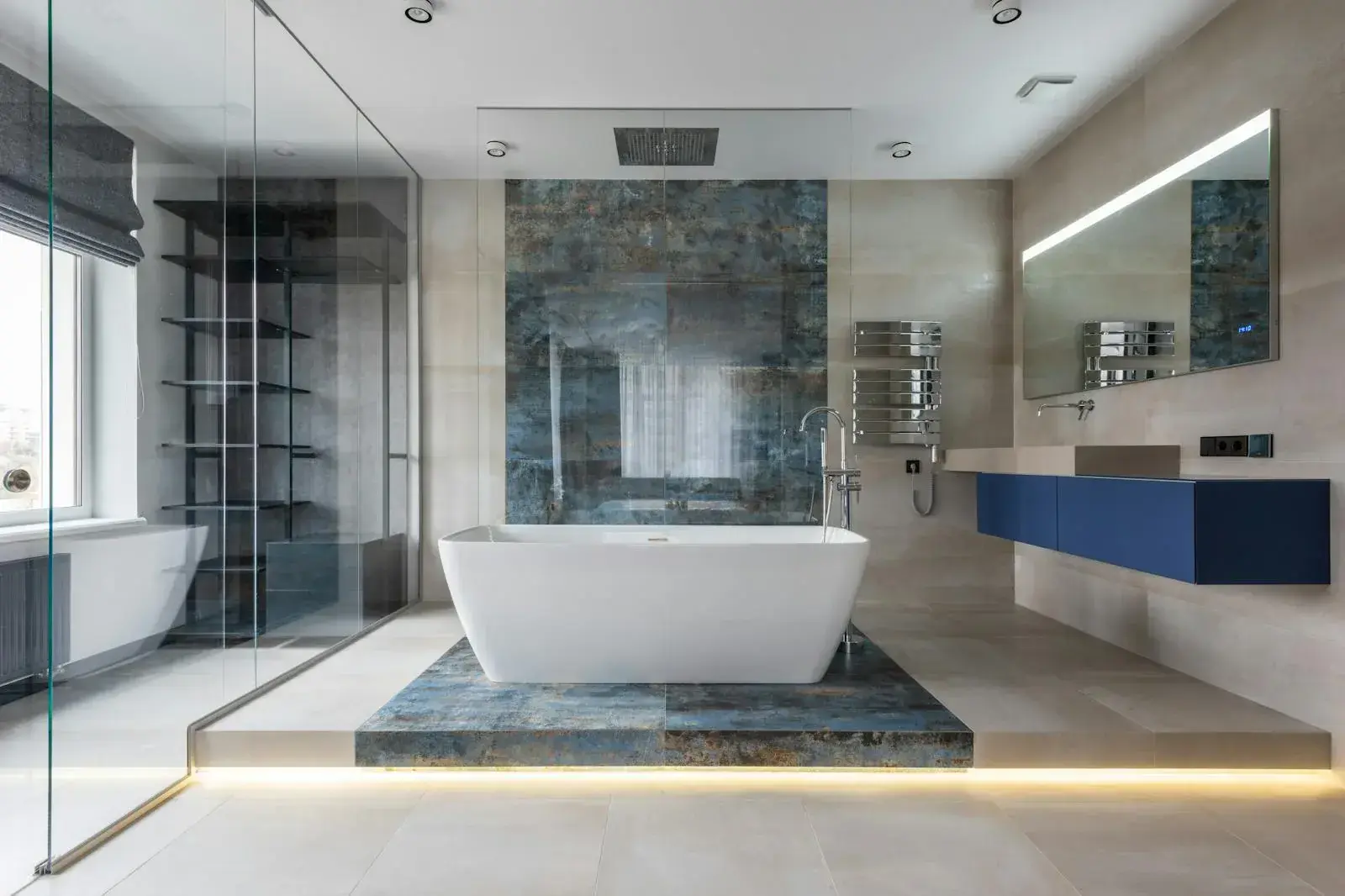
Porcelain Tile
Dense, low-absorption tile that handles wet areas and high traffic.
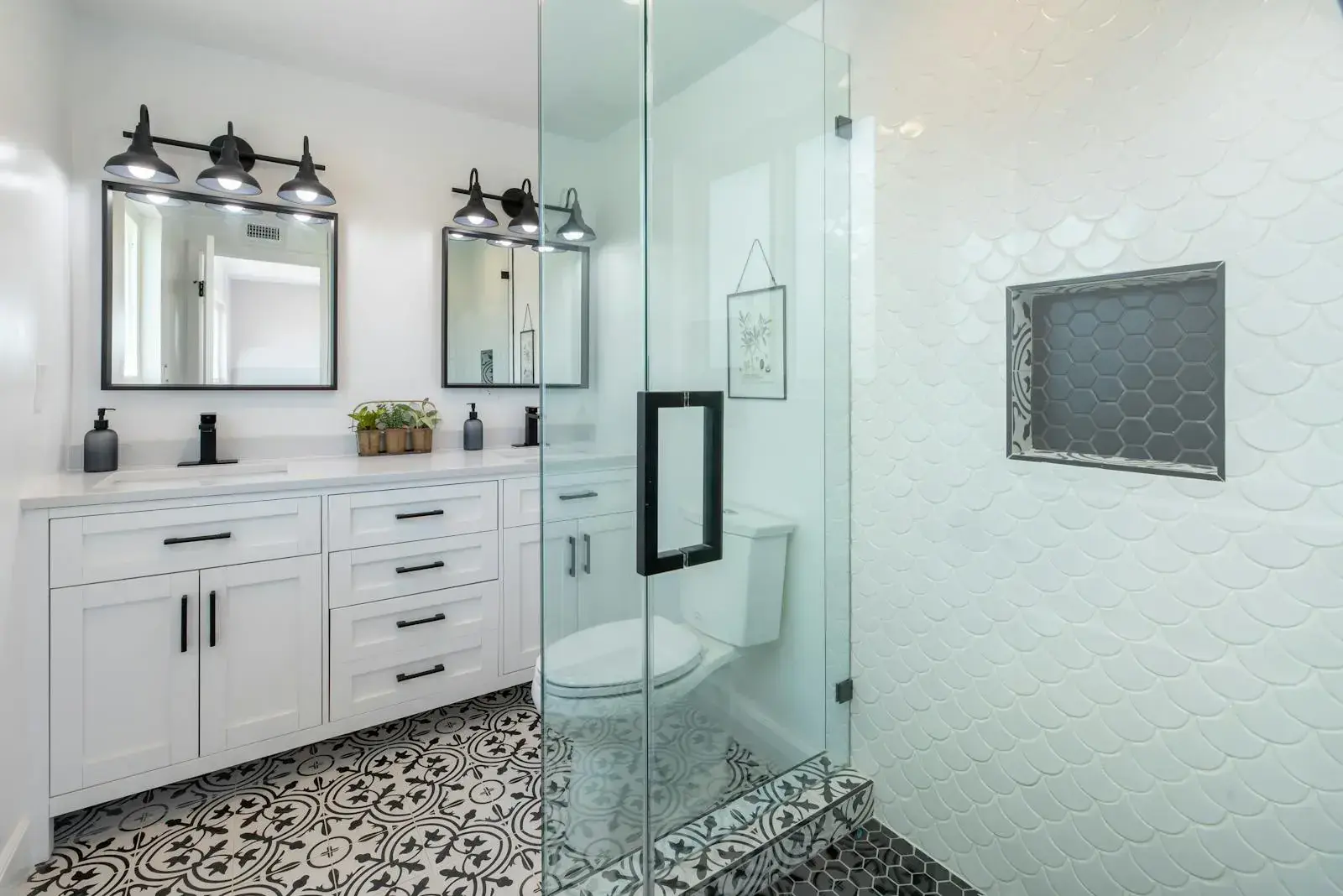
Ceramic Tile
Versatile, cost-effective tile available in countless colors and patterns.
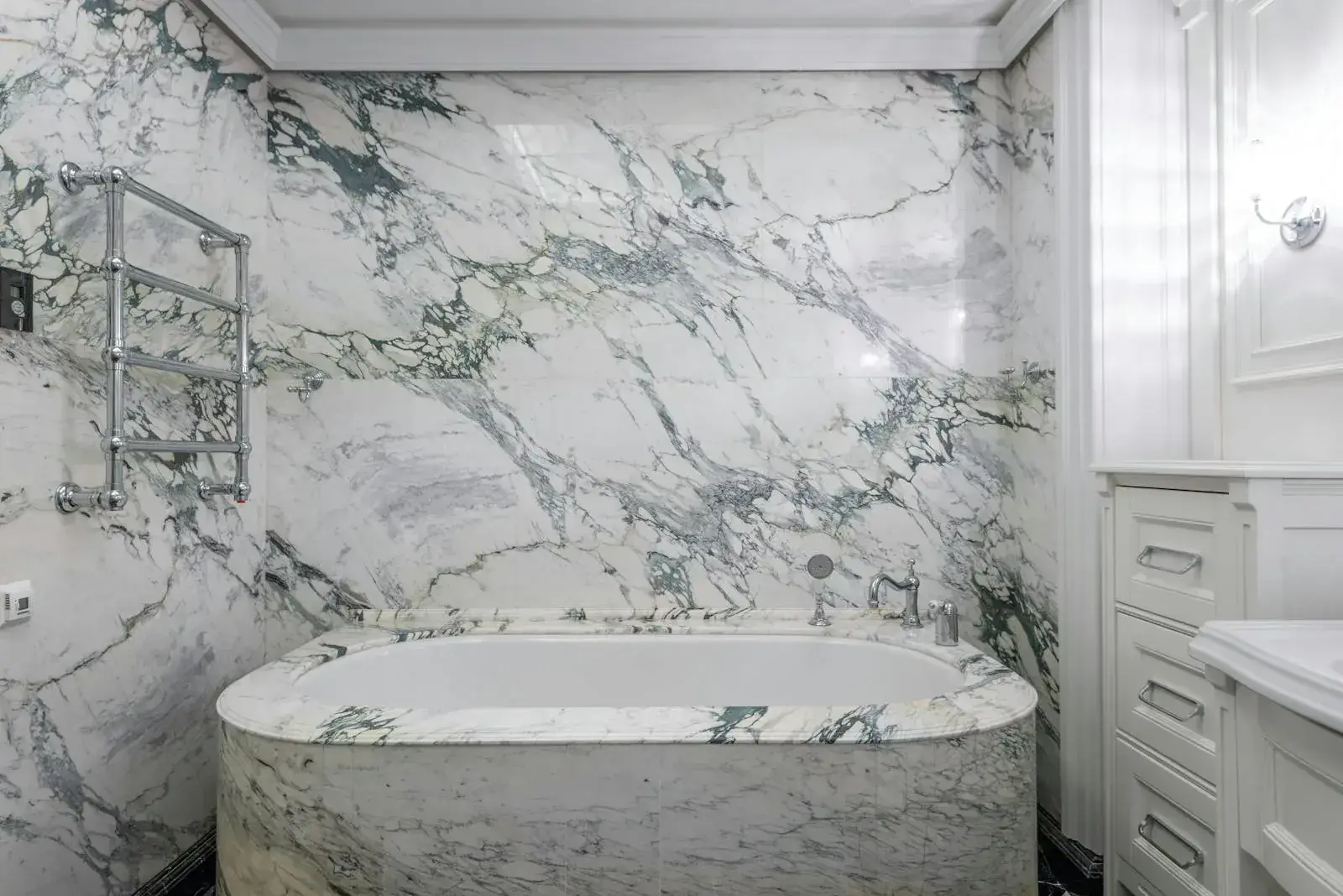
Natural Stone
Marble, travertine, slate, and granite, distinctive natural character in every piece.
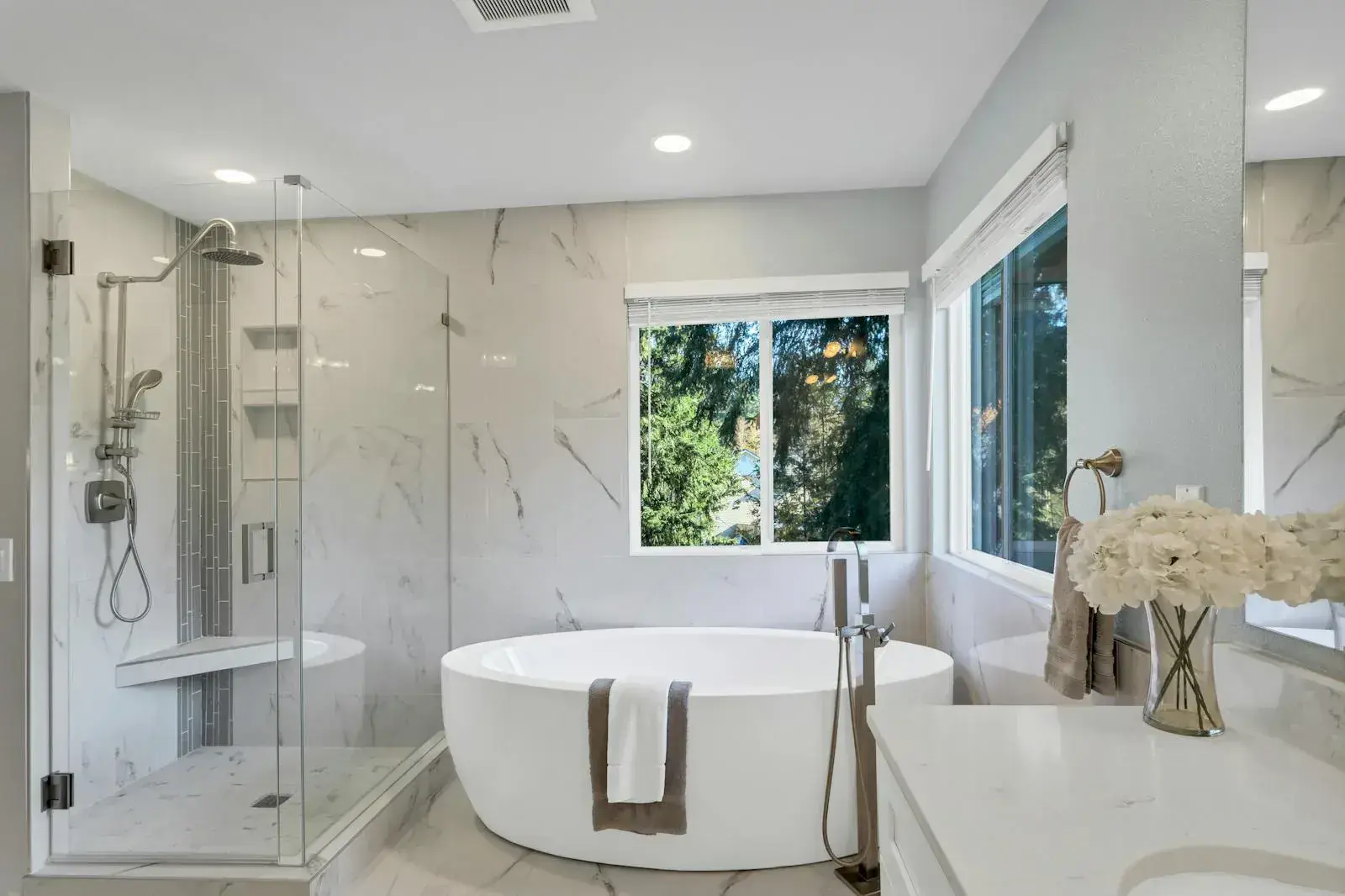
Bathroom Tile
Water-resistant tile for floors, walls, and showers in any bath.
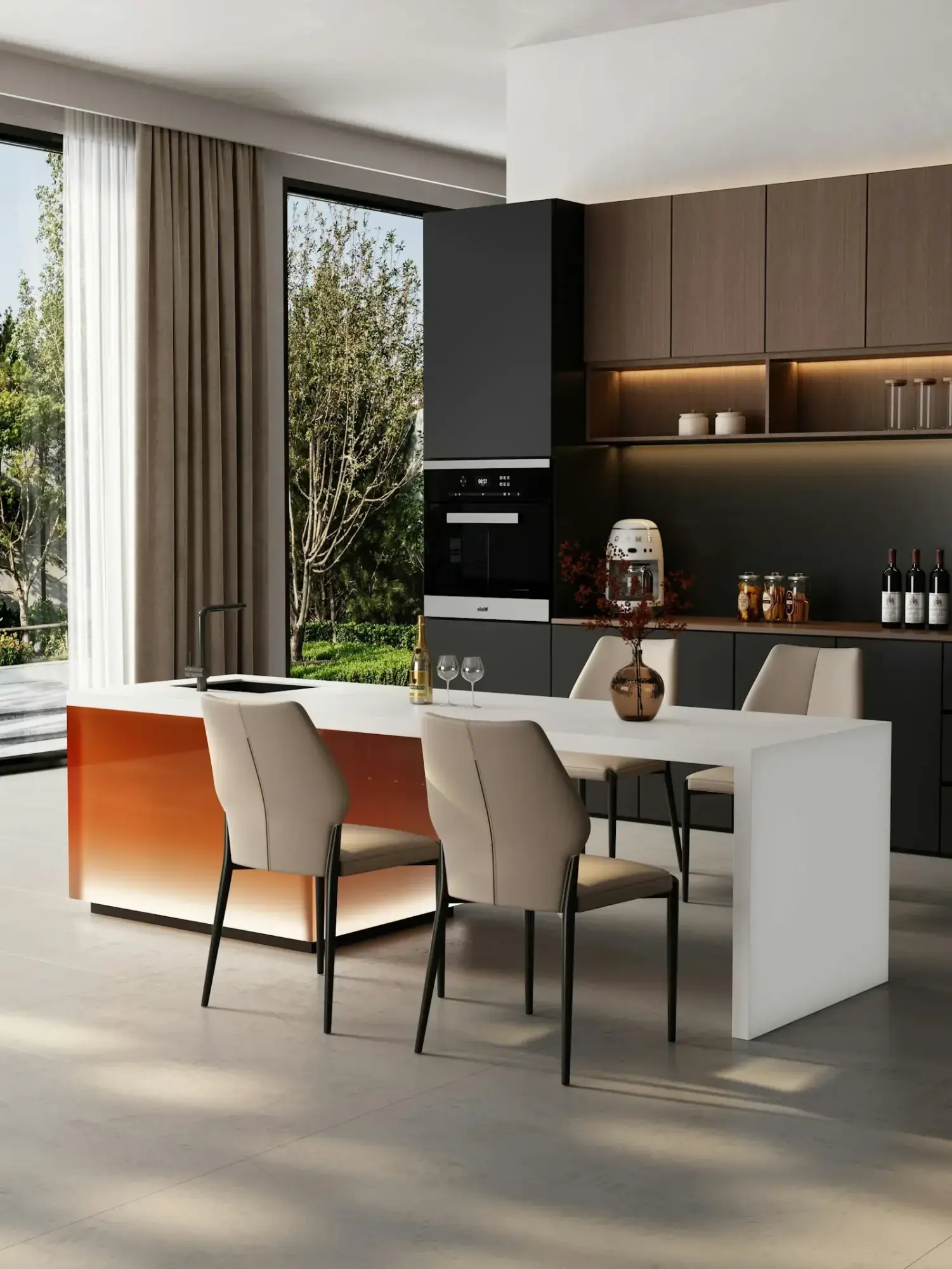
Kitchen Tile
Durable, easy-clean tile floors for the heart of your home.
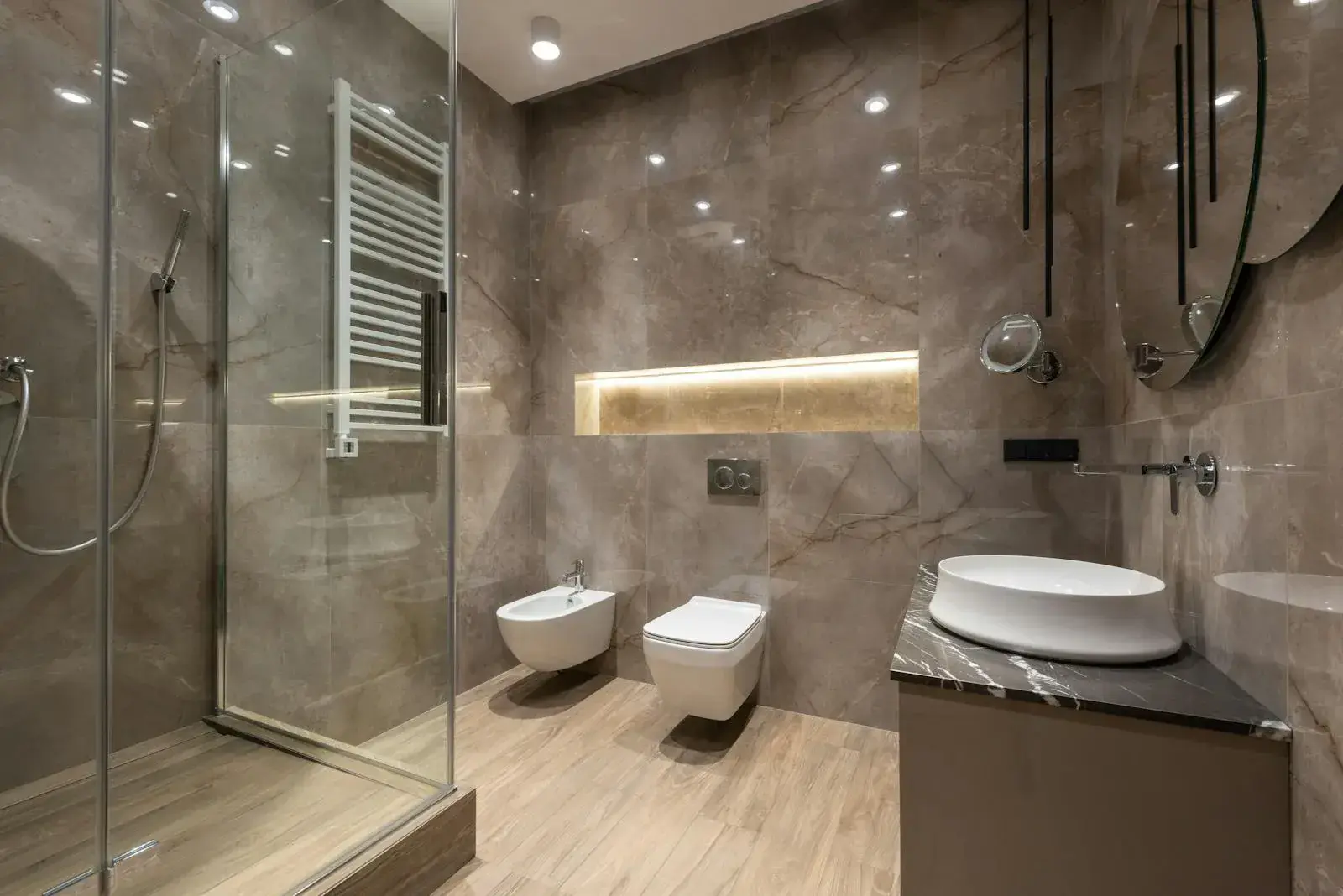
Shower Tile
Custom tile shower walls, floors, niches, and benches.
Tile & Stone Guide
Ready to Have a New Tile Backsplash Installed in Your Amador County Kitchen?
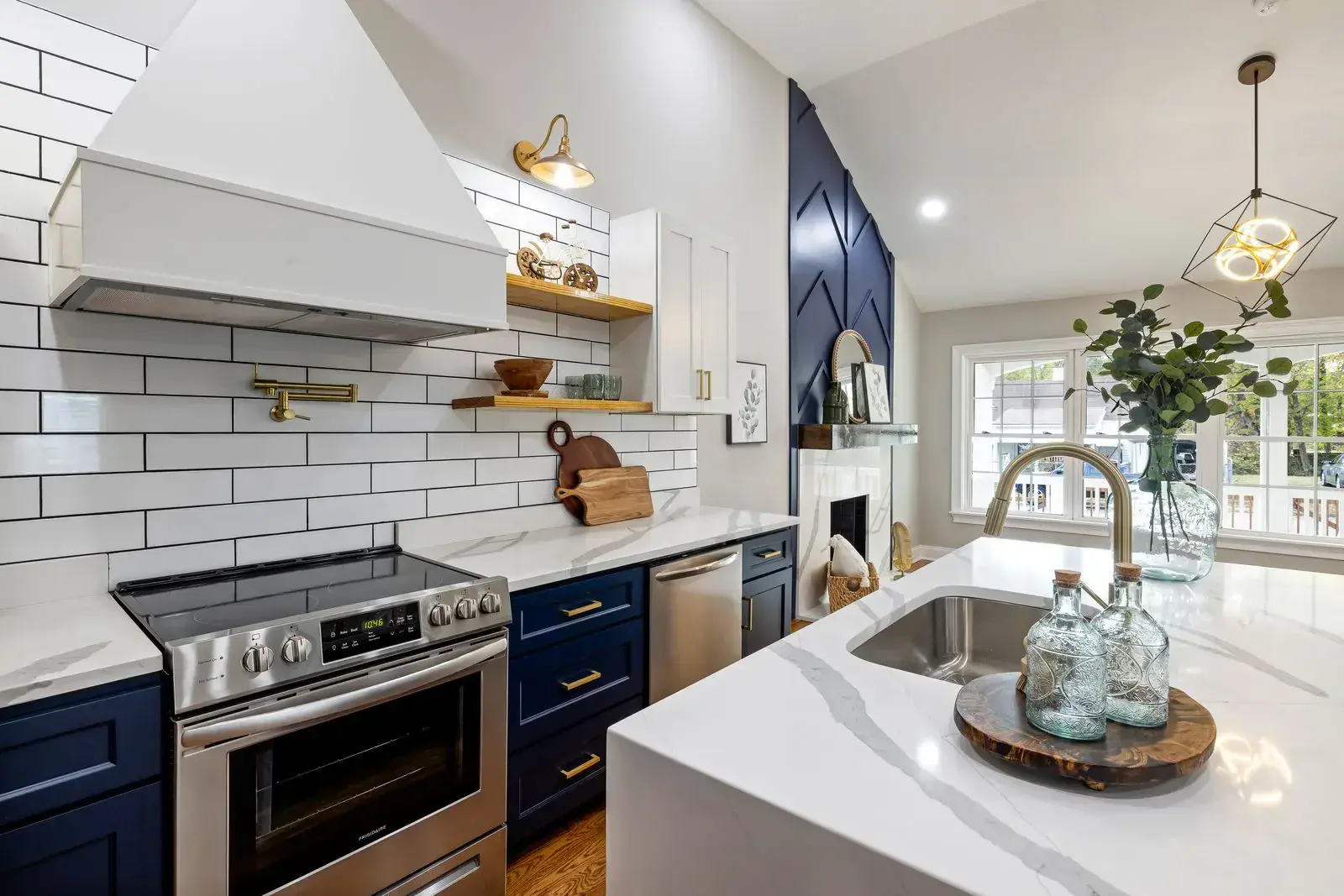
A tile backsplash is the most-visited surface in a kitchen that nobody walks on. It sits at eye level behind the cooktop and sink, takes the splatter, the steam, and the occasional grease fire, and finishes the visual transition from countertop to upper cabinet. Because the backsplash carries no foot traffic and no structural load, the tile selection is wide open, which is exactly why backsplashes are where most Amador County kitchen remodels make their boldest design choice. Subway tile, mosaic sheets, hand-painted ceramic, and stone slabs all work well in a backsplash where they would not work as a floor.
Read the full tile & stone guideShow less
Wall tile and floor tile are rated differently. Floor tile must meet wear and slip standards (PEI 3 to 5 for residential floors, DCOF of at least 0.42 for wet floors) that wall tile does not need to meet, which means wall tile can be thinner, softer, and visually more delicate without compromising durability. Almost all dedicated backsplash and wall tile is glazed ceramic or porcelain, since the tile only needs to handle incidental moisture and grease, not standing water or foot traffic. The format choices that dominate backsplashes today fall into three groups. Subway tile (3x6 inches in classic format, also 2x8, 3x12, 4x12) gives the timeless look of New York subway stations from the early 1900s and pairs well with traditional, transitional, and modern kitchens depending on the grout color and lay pattern (straight-stack, offset half-bond, herringbone, vertical stack). Mosaic sheets (1x1, 2x2, penny rounds, hex, fish-scale, picket) come pre-arranged on a mesh or paper backing for easier installation across complex shapes, and they are the most flexible format for behind-stove focal areas. Slab and large-format wall tile (12x24 and larger, including book-matched stone slabs and continuous-pattern porcelain slabs) creates a minimal, grout-free aesthetic that has become popular in contemporary kitchens. Edge treatments matter more on a backsplash than almost anywhere else in a kitchen because the exposed edges of wall tile are visible at every termination. Standard options include Schluter metal trim profiles (Jolly, Schiene, Rondec in chrome, brushed nickel, or matte black), bullnose tile (a glazed rounded edge in the same color as the field tile), pencil rail or chair rail trim pieces, and mitered edges where two field tiles are cut at 45 degrees and joined to create a clean corner without visible substrate. Height varies by kitchen style: 4 inches (a single course matching the countertop edge) is the budget option but reads dated in most modern remodels; full-wall backsplashes (countertop to upper cabinet, typically 18 inches) are the current standard; ceiling-height backsplashes behind the cooktop or sink are increasingly common in contemporary kitchens. The area directly behind a gas cooktop sees the most heat and grease and benefits from ceramic or porcelain (not natural stone unless sealed aggressively, since travertine and marble can stain from cooking oils). For grout, an epoxy or urethane formula resists kitchen staining far better than cement-based grout. The result, done well, is a finished surface that wipes clean with a damp cloth and stays looking new for the life of the kitchen, and it remains one of the most requested upgrades in our tile and stone work. Visit our Sutter Creek showroom to see how subway, mosaic, and slab options coordinate with cabinet and countertop samples before you commit.
Ready to Transform Your Home?
Get a free estimate from our experienced team. We've been helping Gold Country homeowners since 1976.