
50 years in Amador County · Lifetime warranty · Free in-home estimates
Related Tile & Stone Options
Explore other tile & stone styles and projects we handle.
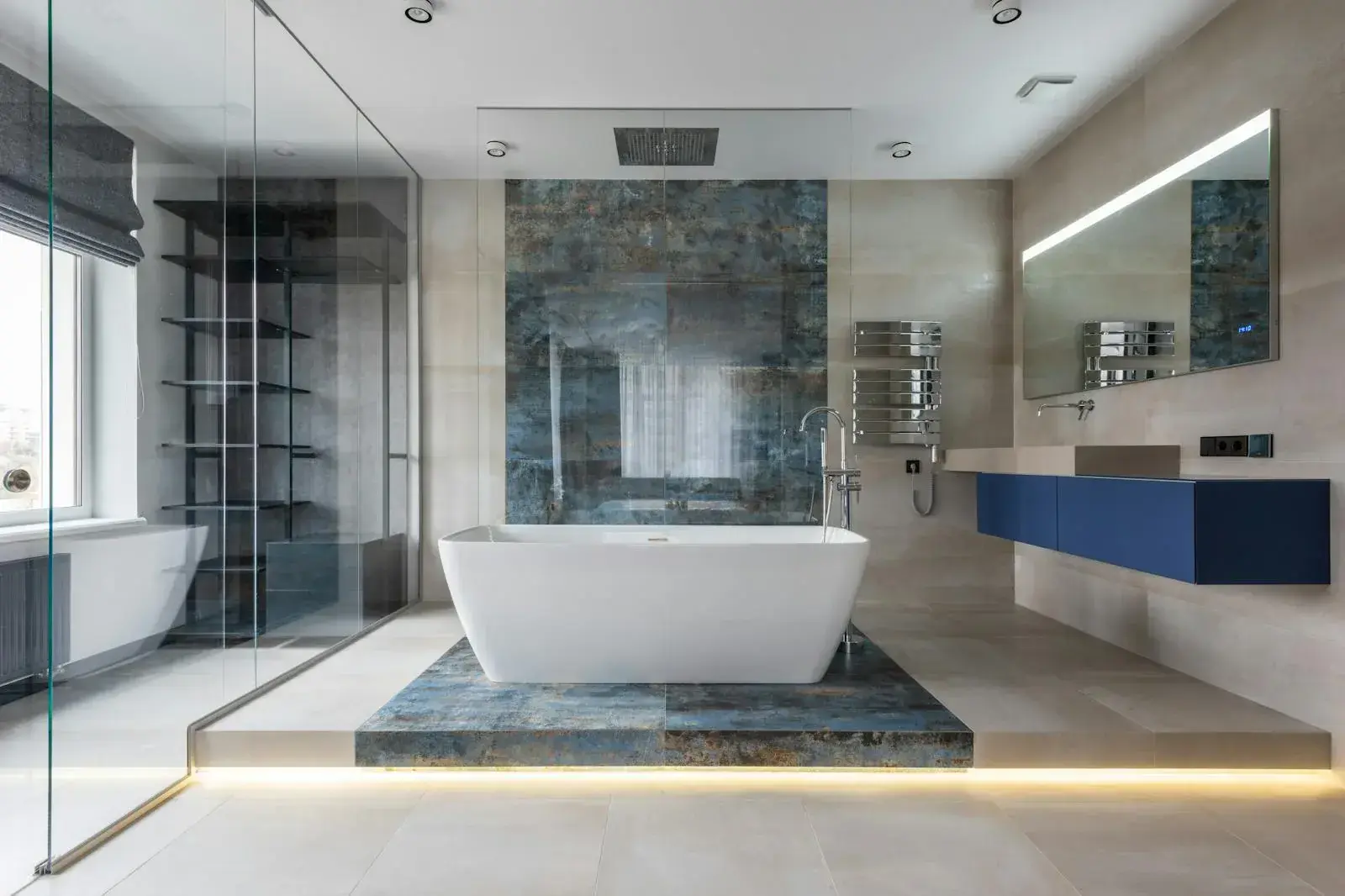
Ceramic Tile
Versatile, cost-effective tile available in countless colors and patterns.
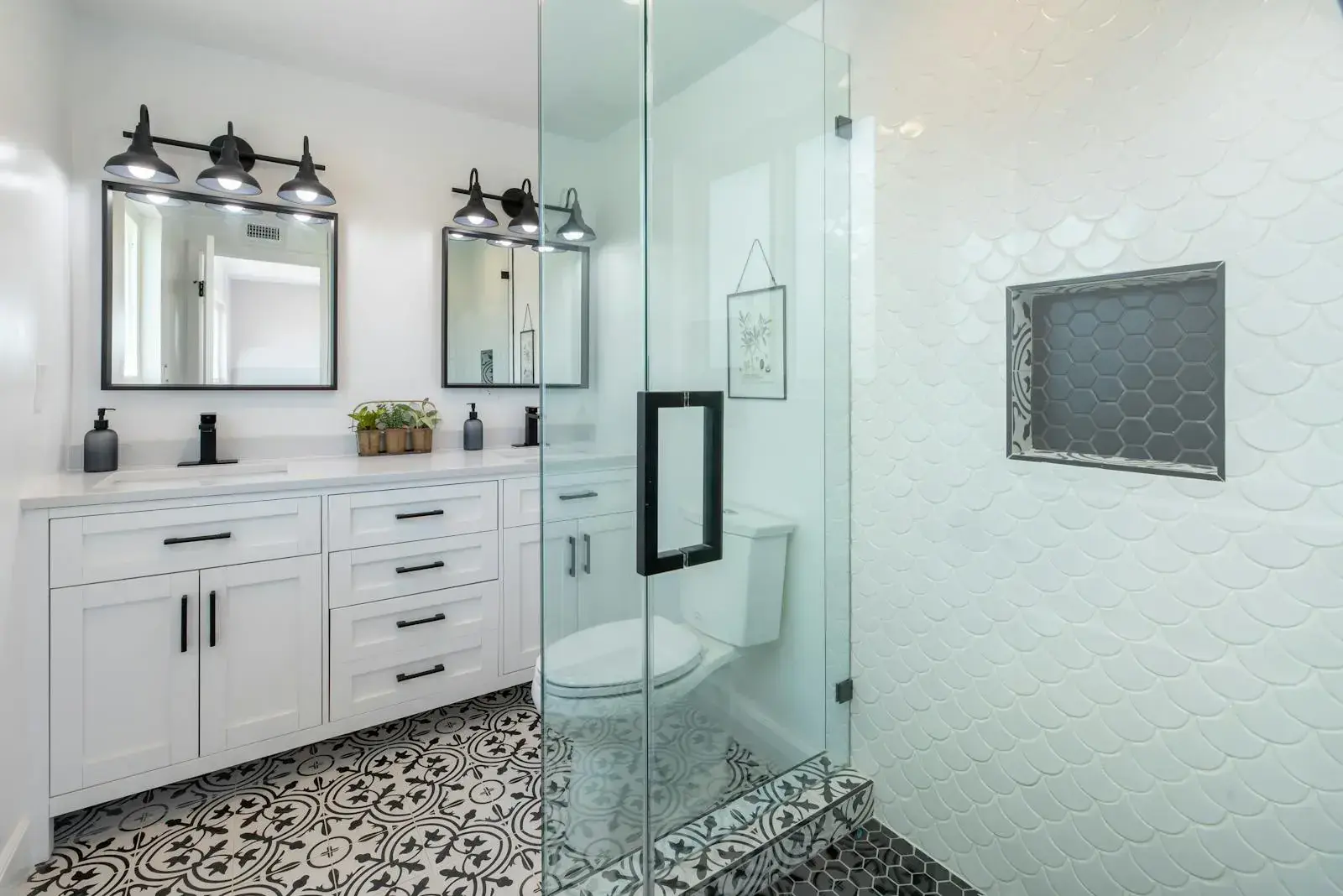
Natural Stone
Marble, travertine, slate, and granite, distinctive natural character in every piece.
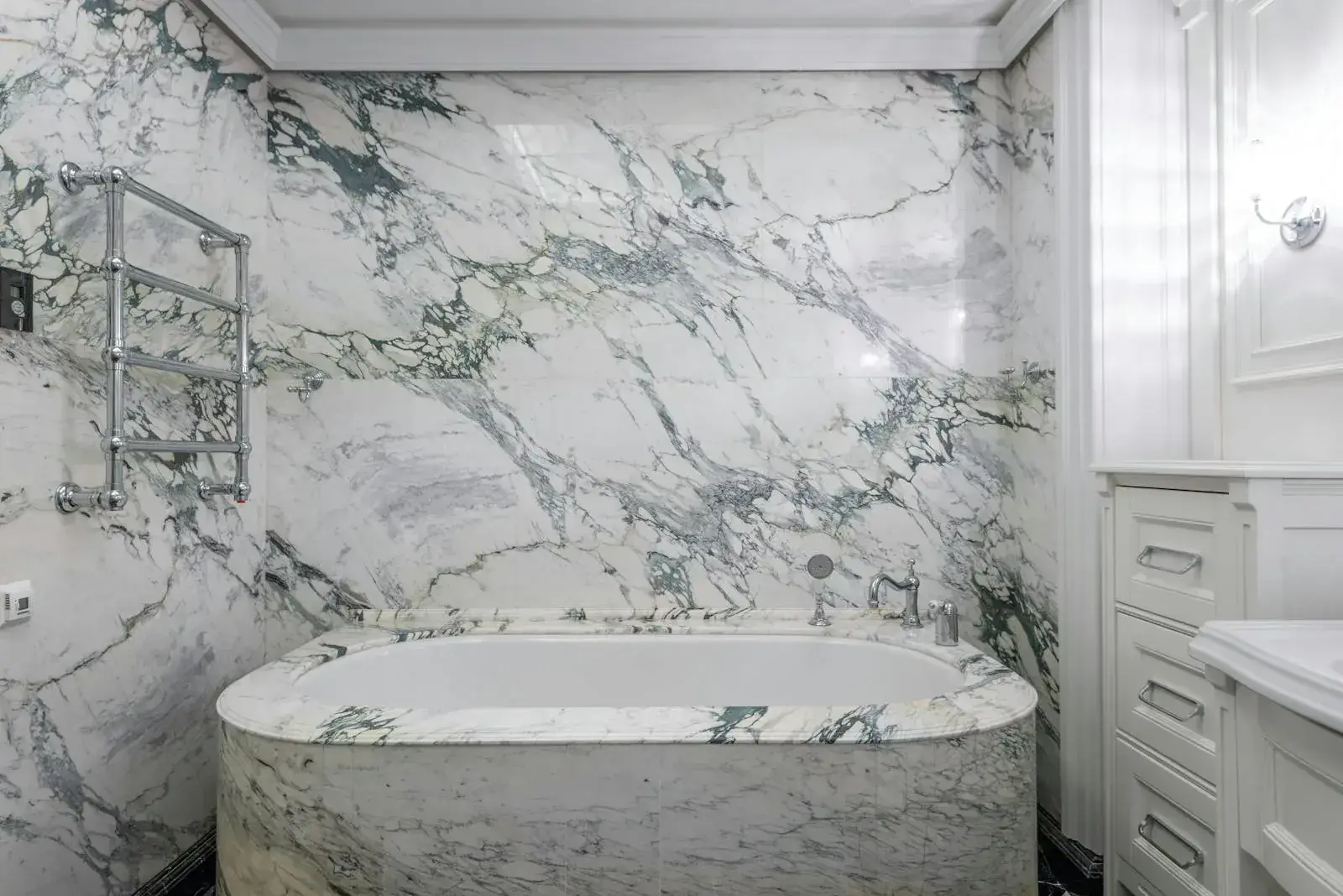
Bathroom Tile
Water-resistant tile for floors, walls, and showers in any bath.
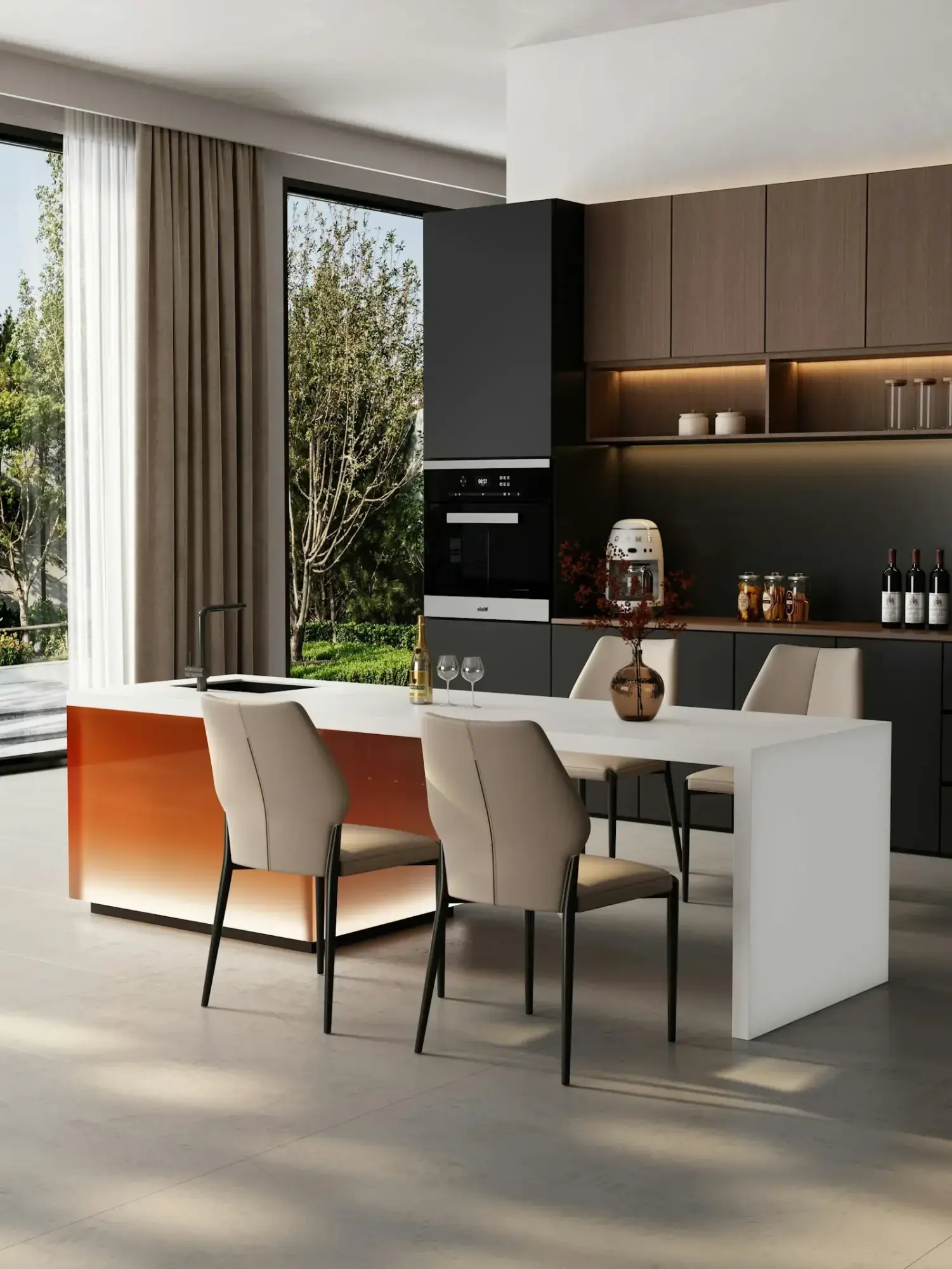
Kitchen Tile
Durable, easy-clean tile floors for the heart of your home.
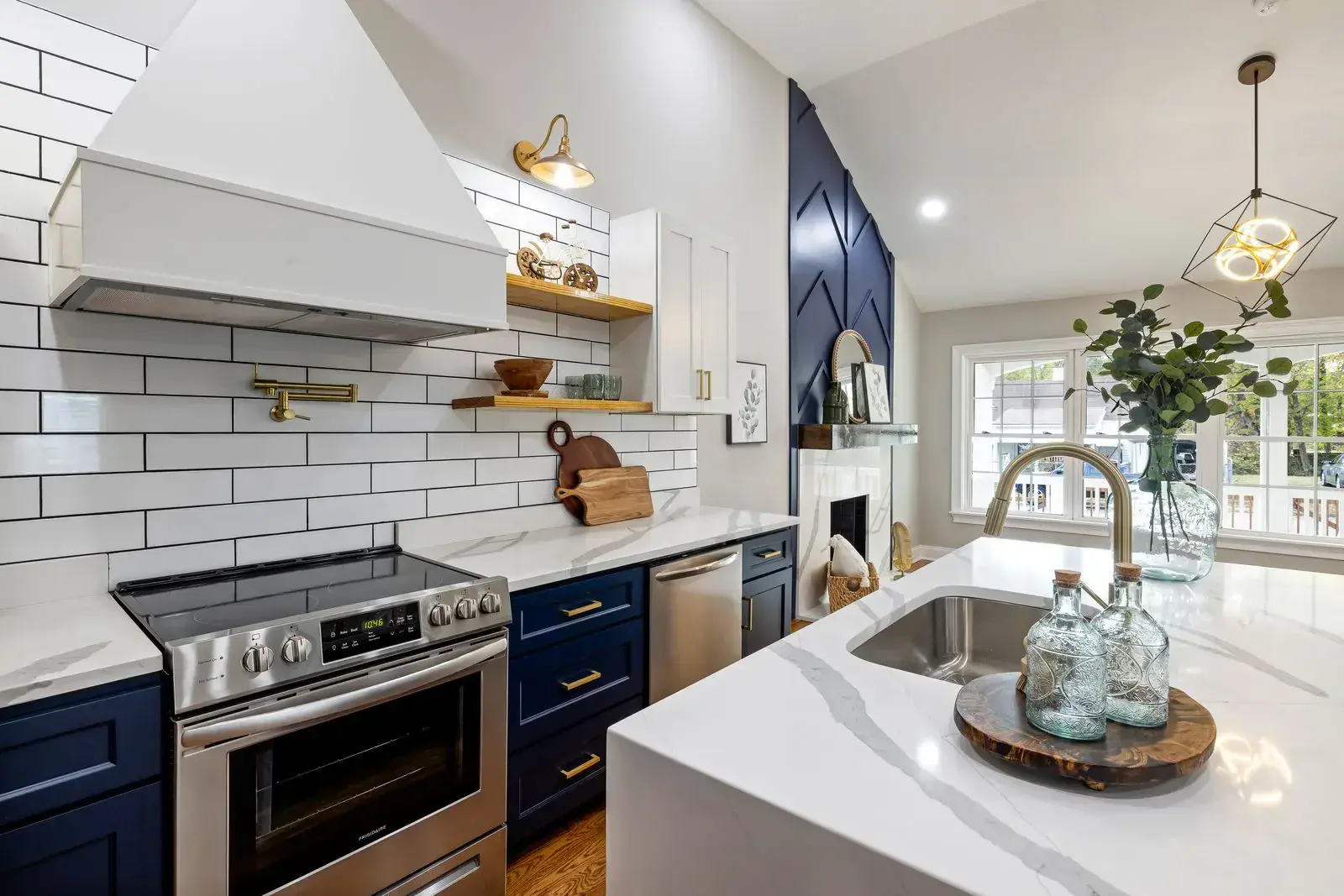
Backsplash Tile
Subway, mosaic, and statement backsplashes that finish a kitchen.
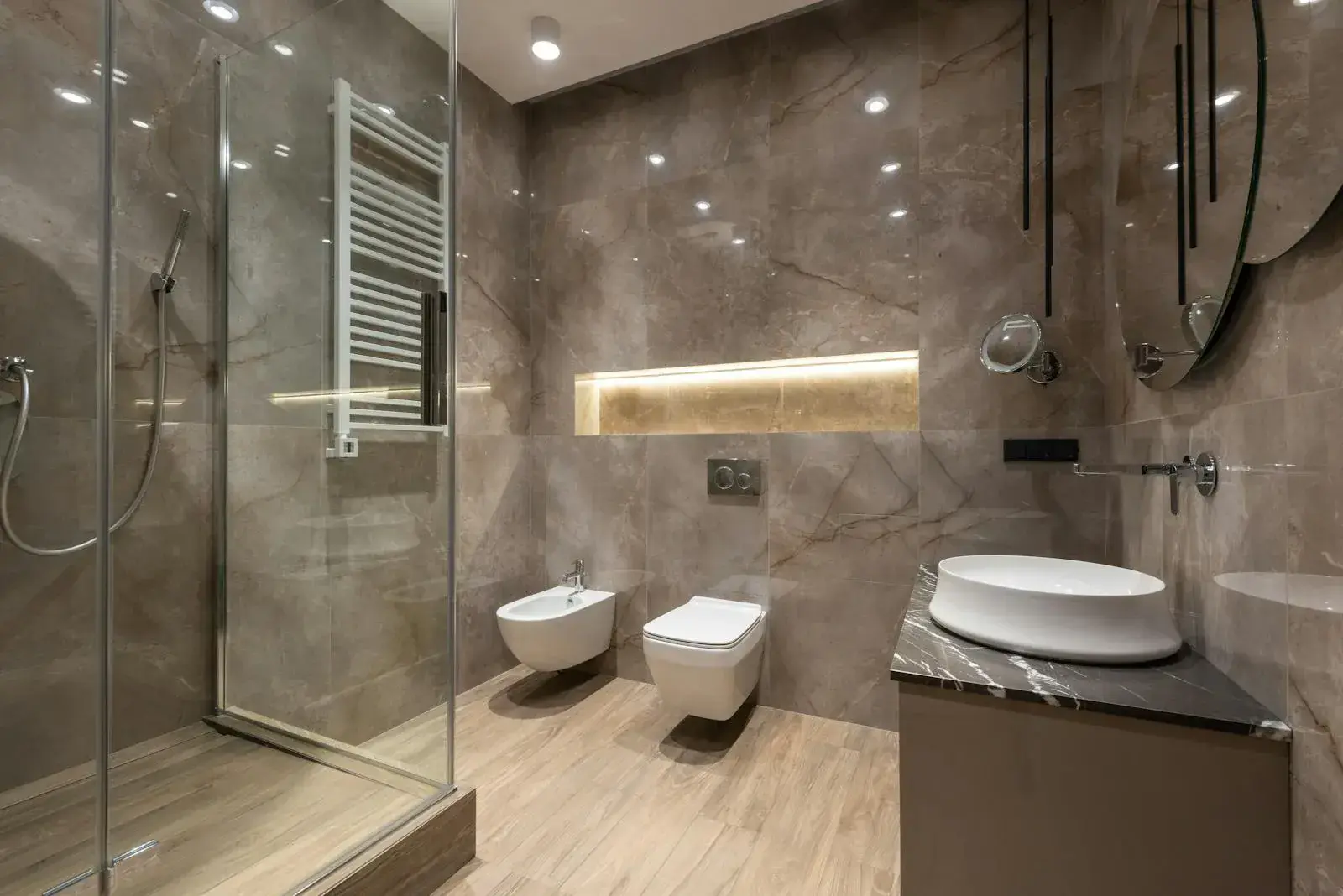
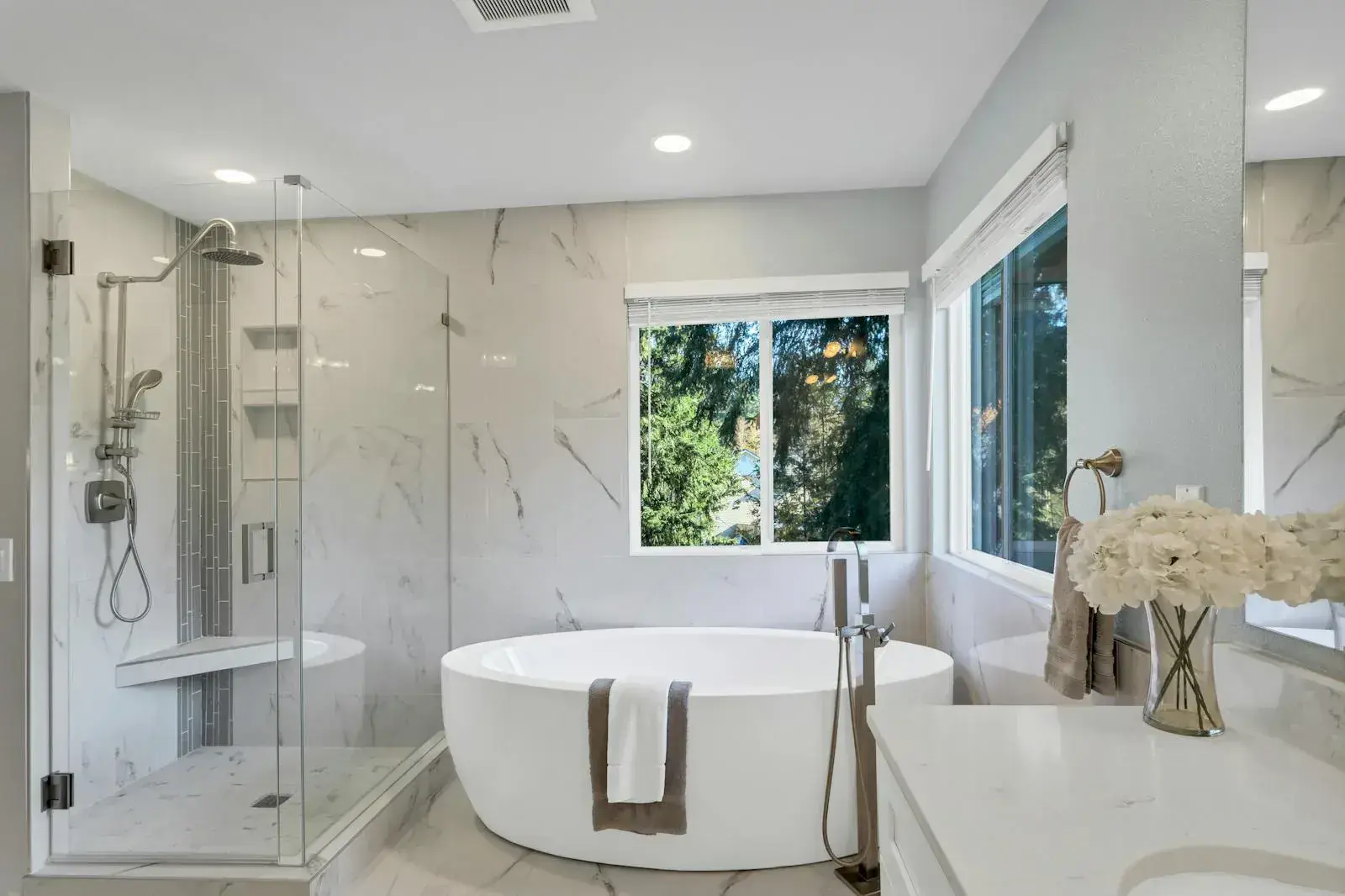
Shower Tile
Custom tile shower walls, floors, niches, and benches.
Tile & Stone Guide
Ready to Have New Porcelain Tile Installed in Your Amador County Home?
Porcelain tile is a fired clay product manufactured to the Porcelain Tile Certification Agency standard, which requires the finished tile to absorb less than 0.5 percent of its weight in water. That single specification is what separates porcelain from ceramic and drives most of the practical reasons homeowners across Amador County, Sutter Creek, Jackson, Pine Grove, and Martell choose porcelain for floors that need to handle real moisture, real traffic, and real life. The low water absorption comes from two manufacturing differences: porcelain uses finer, denser clay and mineral blends, and the tiles are fired at higher temperatures (typically 2200 to 2500 degrees F) than standard ceramic. The result is a tile that is harder, heavier, and significantly more resistant to wear, scratching, staining, and freeze-thaw damage than a ceramic equivalent.
Read the full tile & stone guideShow less
Porcelain is sold in glazed and full-body (also called through-body) constructions. Glazed porcelain carries the color and pattern in a top glaze layer, similar to ceramic but on a denser body. Full-body porcelain runs the color and pattern through the entire thickness of the tile, so chips and edge wear are far less visible over time. That property, combined with the higher PEI abrasion rating most porcelain carries (PEI 3 for general residential, PEI 4 to 5 for high-traffic and light commercial), is why porcelain dominates the wet, busy parts of a home: full bathrooms, showers, mudrooms, laundry rooms, entryways, and kitchen floors. Outdoor installations like covered patios and pool decks rely on porcelain's freeze-thaw resistance because water never penetrates the body of the tile, so there is nothing to expand and crack in cold weather. The modern porcelain catalog has expanded well beyond traditional 12-inch squares. Large-format porcelain (12x24, 18x36, 24x48, and beyond) creates a more contemporary look with fewer grout lines, and wood-look porcelain planks now mimic oak, walnut, and hickory closely enough that side-by-side comparisons with engineered hardwood require a careful look. The trade-offs are real. Porcelain is the most demanding tile to cut: a wet saw with a quality diamond blade is required, freehand snap cutting rarely succeeds, and complex cuts around plumbing, niches, or curves take time. Large-format planks require flatter substrates than smaller tiles to avoid lippage at the edges, which is why professional installers use leveling clip systems and rigorous mortar coverage on big-format jobs. Porcelain is also heavier than ceramic, which matters on upper floors and over wood-framed subfloors that may need reinforcement. Material cost is higher per square foot than ceramic tile, and installation labor is higher as well because of the cutting and substrate prep requirements. For high-traffic floors, wet rooms, and any application where the tile needs to look new in twenty or thirty years, porcelain is almost always the right answer, and it is the most common floor choice we install across tile and stone projects in the county. Visit our Sutter Creek showroom to handle full-body, glazed, and wood-look porcelain side by side under real lighting before you commit.
Ready to Transform Your Home?
Get a free estimate from our experienced team. We've been helping Gold Country homeowners since 1976.