
50 years in Amador County · Lifetime warranty · Free in-home estimates
Related Tile & Stone Options
Explore other tile & stone styles and projects we handle.
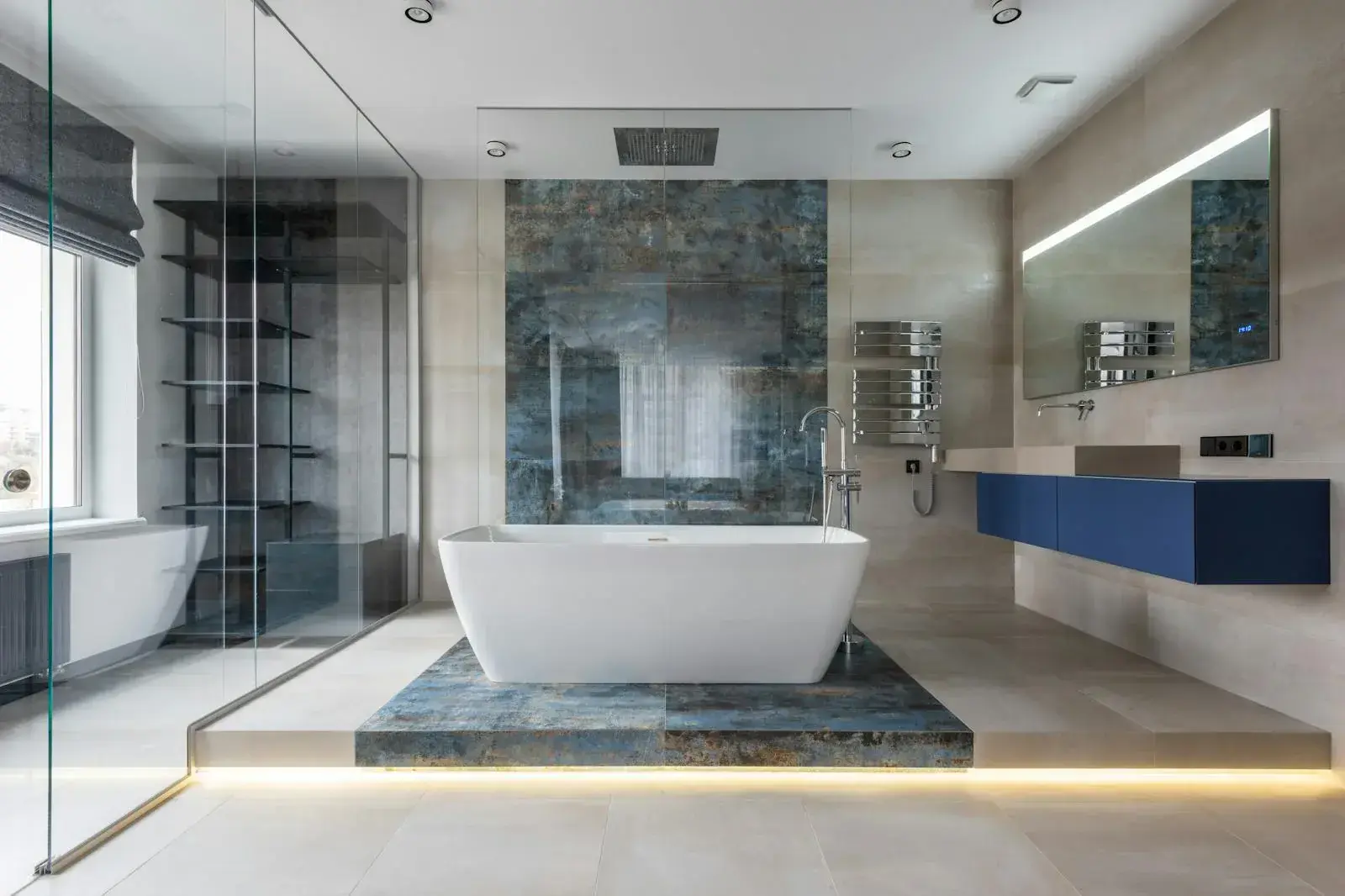
Porcelain Tile
Dense, low-absorption tile that handles wet areas and high traffic.
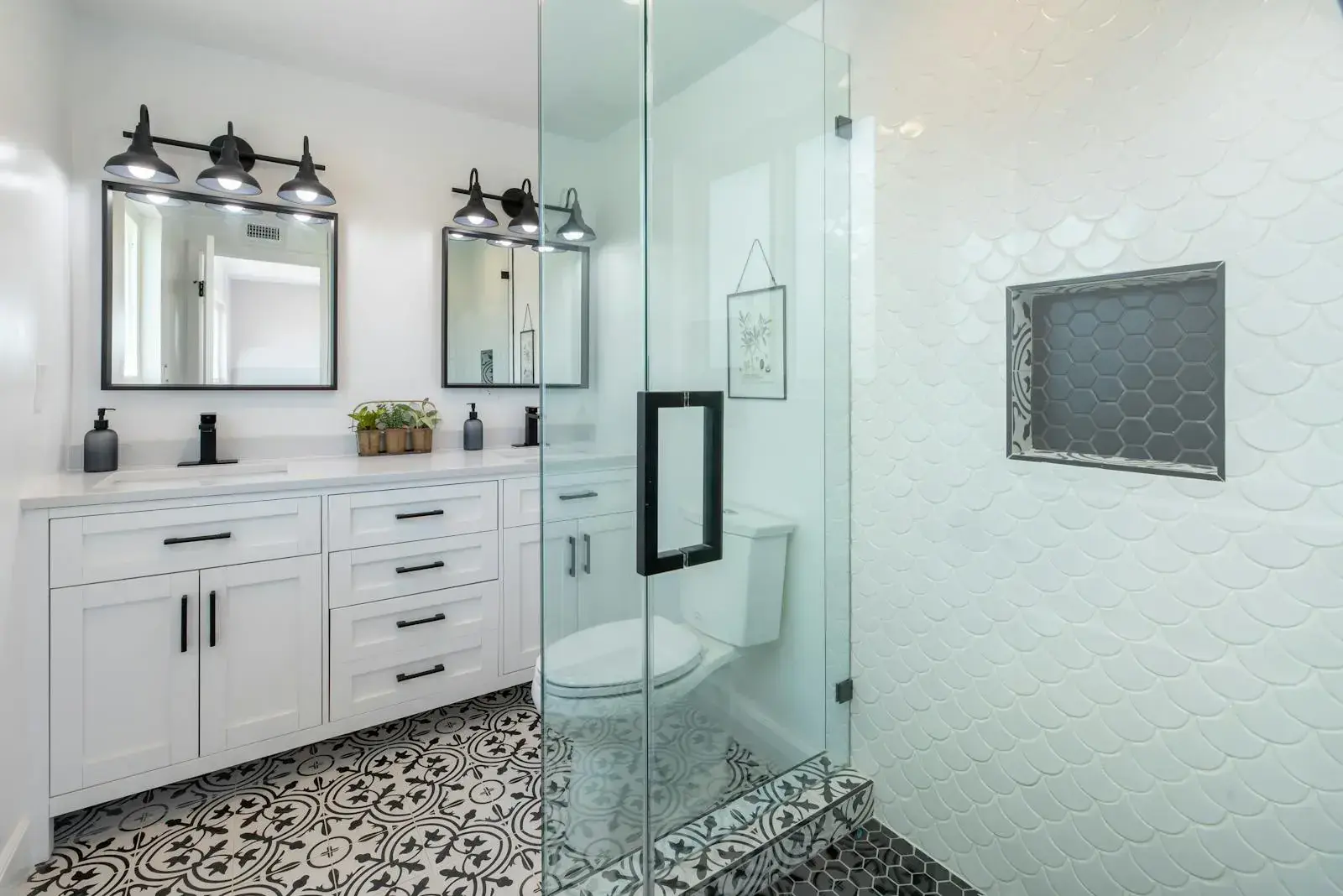
Ceramic Tile
Versatile, cost-effective tile available in countless colors and patterns.
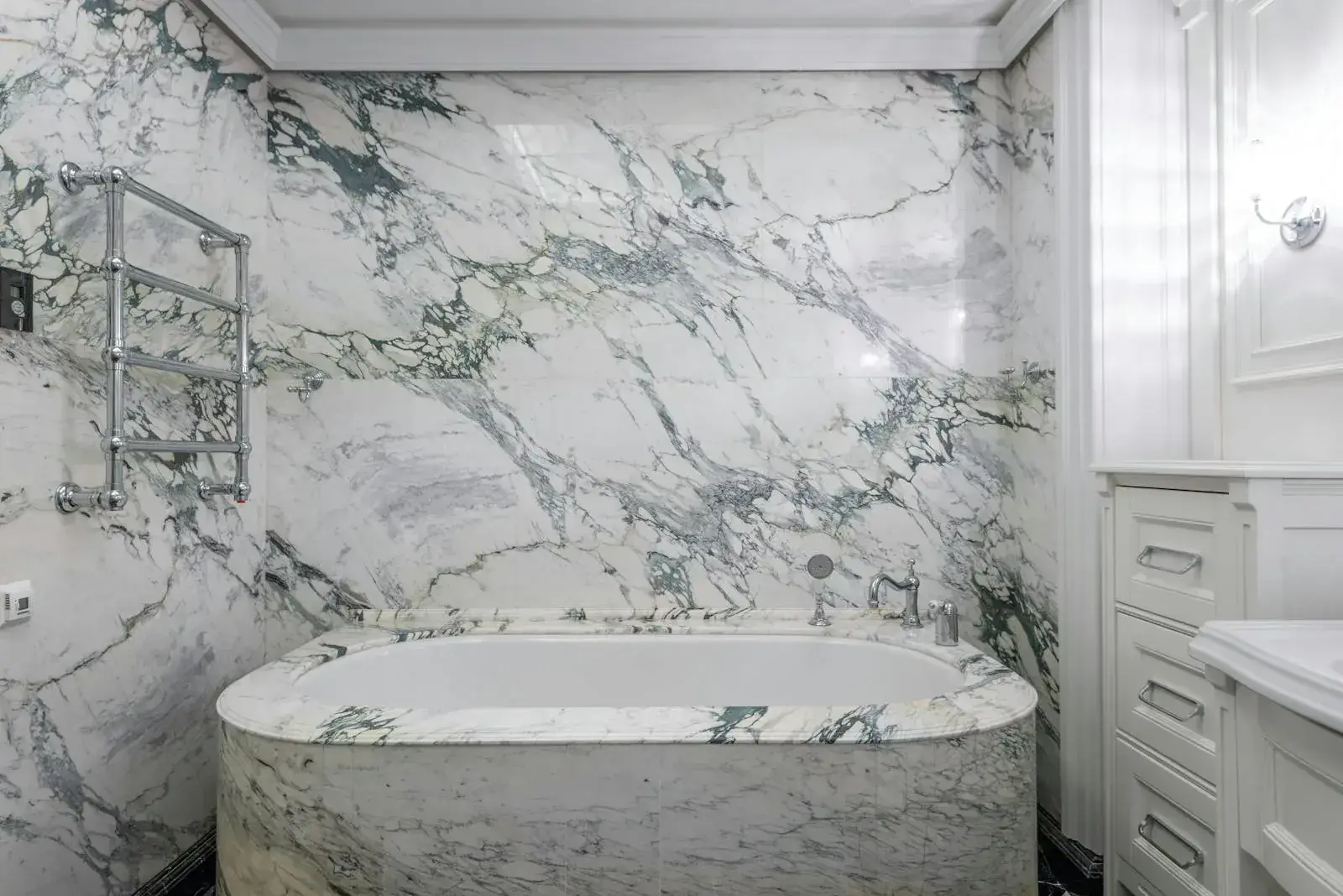
Natural Stone
Marble, travertine, slate, and granite, distinctive natural character in every piece.
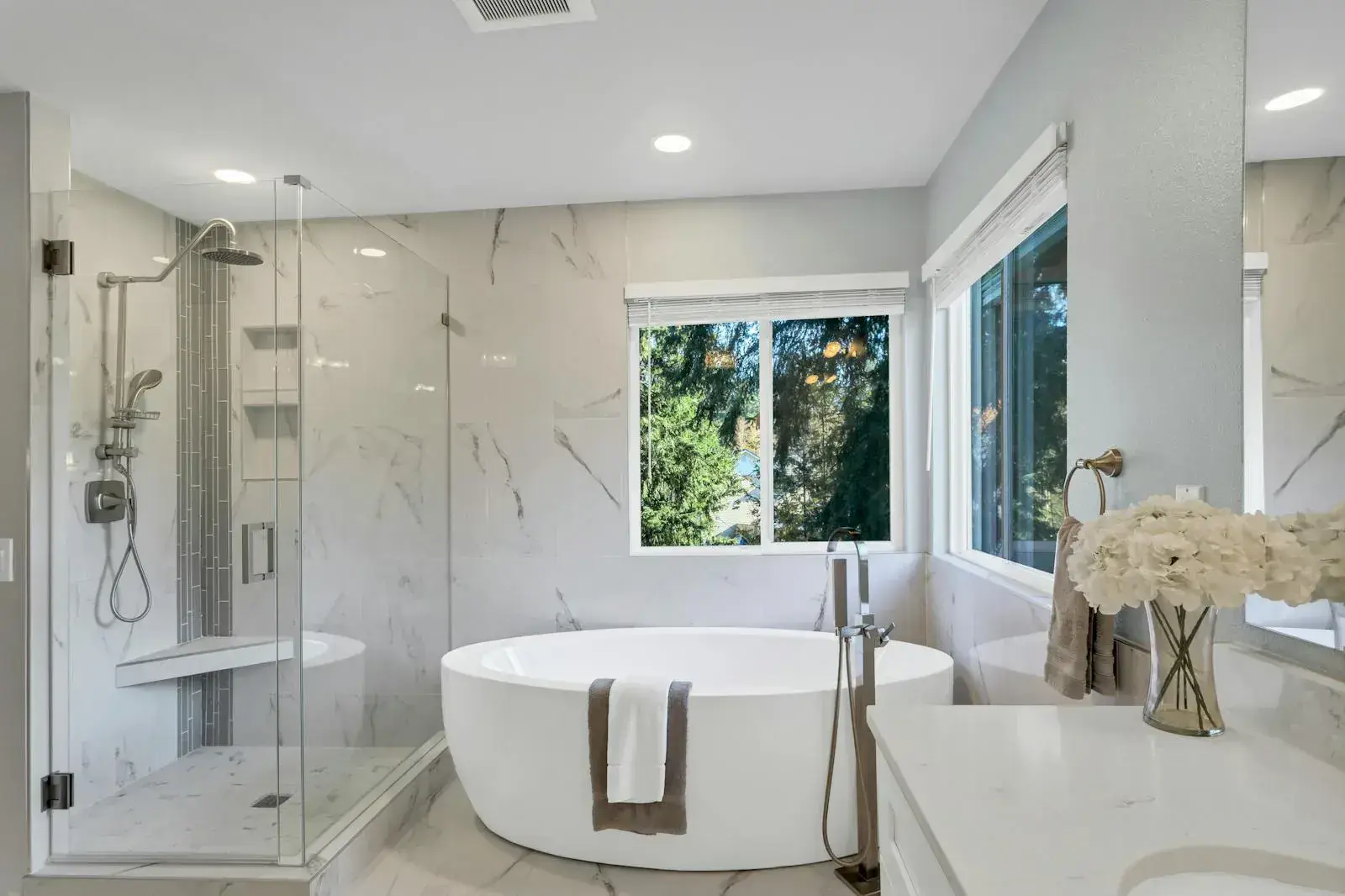
Bathroom Tile
Water-resistant tile for floors, walls, and showers in any bath.
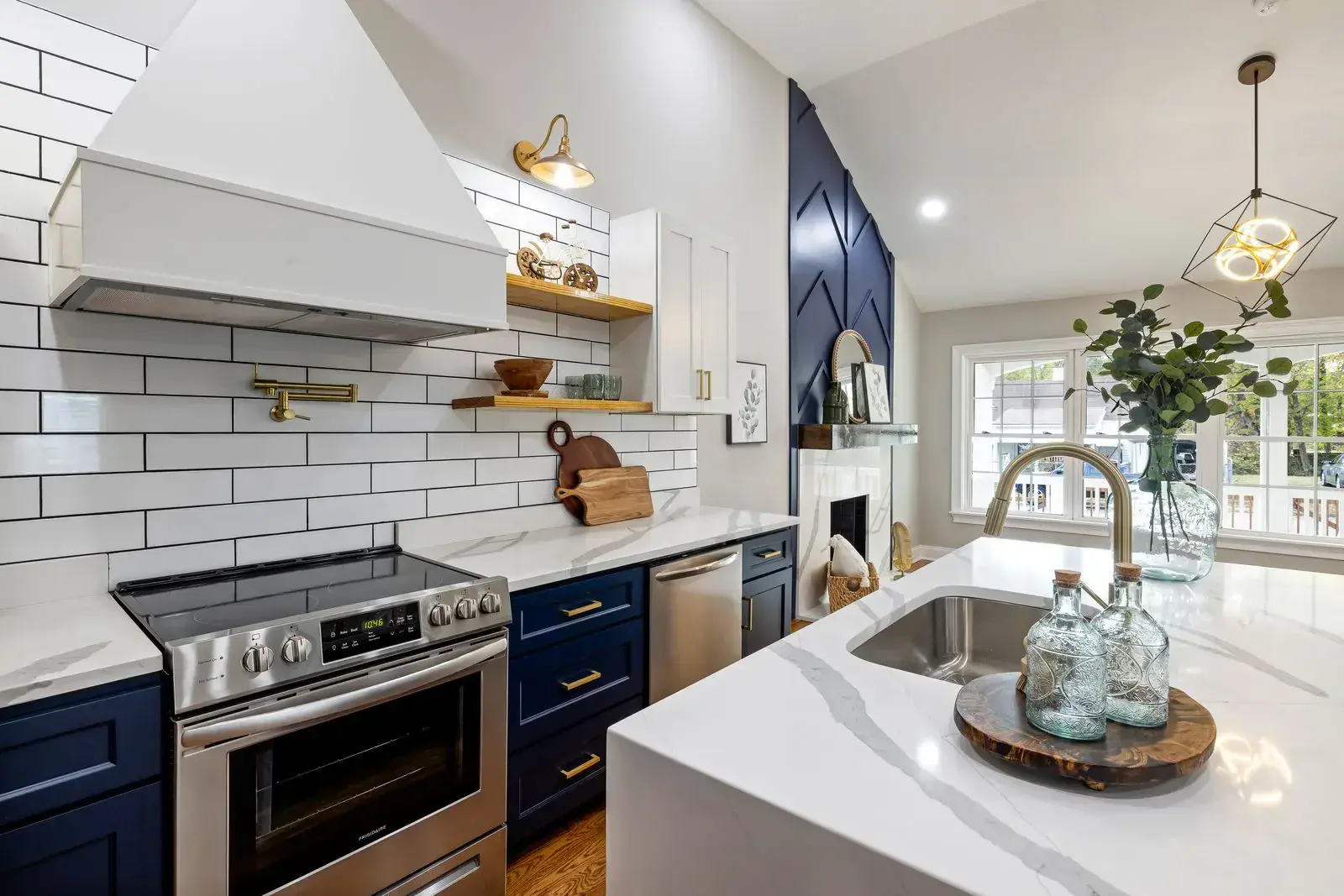
Backsplash Tile
Subway, mosaic, and statement backsplashes that finish a kitchen.
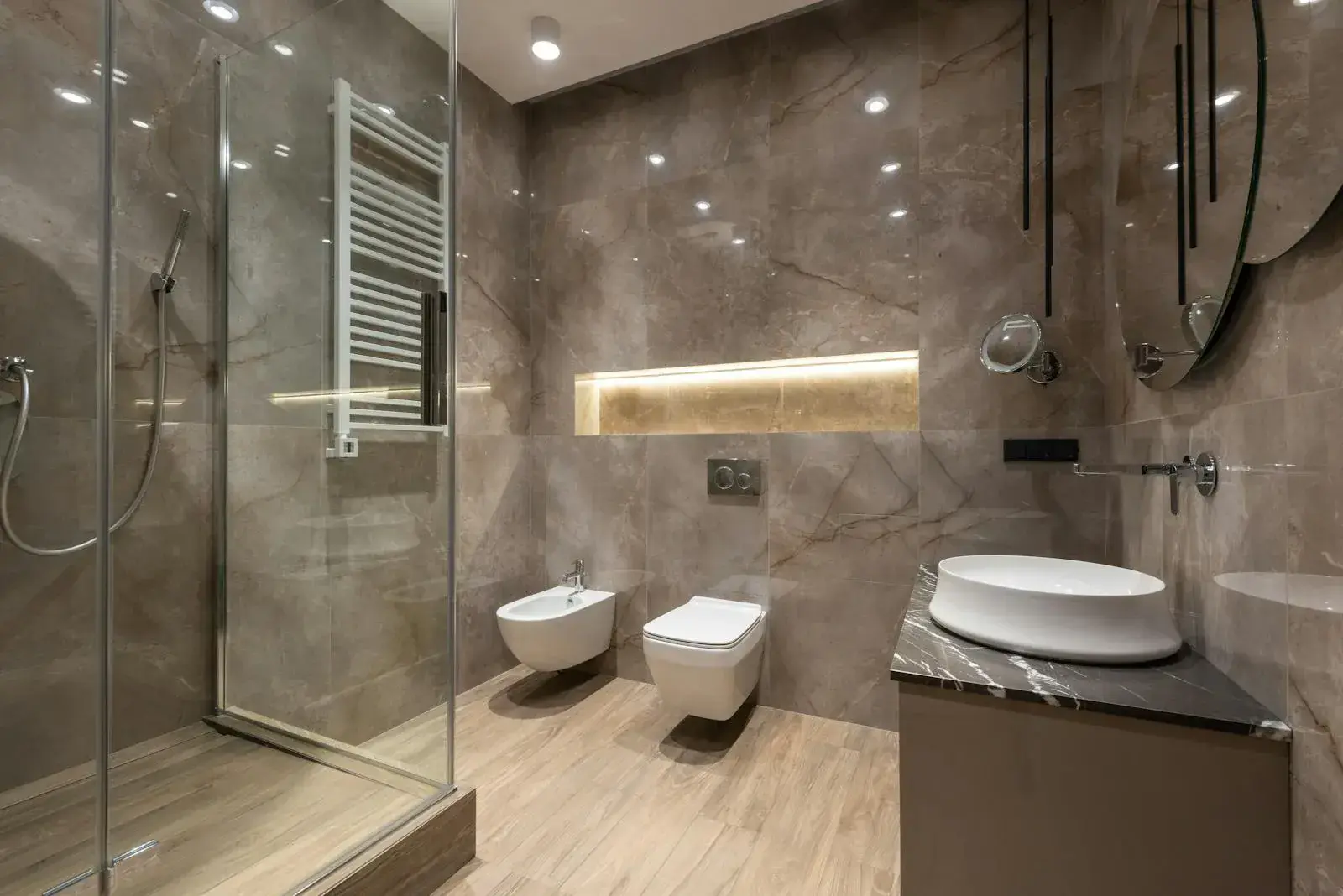
Shower Tile
Custom tile shower walls, floors, niches, and benches.
Tile & Stone Guide
Ready to Have New Kitchen Tile Flooring Installed in Your Amador County Home?
Kitchen tile is the original kitchen floor and still the most durable option on the market. Modern porcelain, ceramic, and natural stone all handle the realities of a working kitchen better than wood, laminate, or vinyl: spilled water, dropped silverware, dragged appliances, pet bowls, grease splatter, and standing wet shoes after a rainy day. Across Amador County, Sutter Creek, Jackson, Pine Grove, and Martell, tile remains a default choice for kitchens where the household cooks regularly and the floor needs to look the same in twenty years as it does on install day.
Read the full tile & stone guideShow less
The case for tile in a kitchen comes down to four properties no other flooring category matches. Water resistance is the biggest: porcelain and properly sealed natural stone shrug off the dishwasher leak, the refrigerator water-line drip, the pot of pasta water that hits the floor, and the puddle from a wet dog. Scratch resistance is second: tile is harder than every common shoe sole and most dropped utensils, which means the floor does not show traffic patterns the way hardwood or LVP can after a few years of busy meal prep. Heat tolerance is third: a hot pan placed on tile leaves no mark, where the same pan damages wood or vinyl instantly. Cleanability is fourth: tile is the easiest flooring category to deep clean with a mop and a stiff brush, including around the base of cabinets and under counter overhangs. The real trade-offs in a kitchen are comfort, grout, and dropped-item survival. Tile is hard and stays cool to the touch, which is comfortable in summer but cold in winter without radiant heat underneath. Long stretches of standing at a sink or stove are easier on the body with an anti-fatigue mat in those zones. Grout staining is the most common complaint in kitchens because grout is porous and shows what the floor sees: tomato sauce, red wine, coffee, oil splatters. Two approaches reduce that risk. First, choose a grout color in the medium-to-dark range (a charcoal, taupe, or gray grout hides everyday staining far better than a bright white). Second, use epoxy or urethane grout in the kitchen for the highest stain resistance, or seal a cement-based grout thoroughly at installation and reseal periodically. Dropped glassware almost always breaks on tile, where it might survive on softer flooring, which is the practical reason some households keep a small rug or mat in the most active zones of the kitchen. Tile choice for a kitchen leans toward porcelain for its low water absorption and high PEI ratings, with large-format and wood-look porcelain dominating new installations because they show fewer grout lines. Households comparing tile against a softer underfoot option often look at kitchen LVP for the same waterproof benefits with more give underfoot, which is the legitimate alternative when comfort matters more than maximum hardness. Visit our Sutter Creek showroom to walk on tile, LVP, and engineered wood side by side and feel the difference under real lighting before you commit.
Ready to Transform Your Home?
Get a free estimate from our experienced team. We've been helping Gold Country homeowners since 1976.