
50 years in Amador County · Lifetime warranty · Free in-home estimates
Rated 4.8 from 89 Google reviews
“When they came to take out the carpet at our entry way, they found the wood was wet, they quickly realized we should let it dry prior to putting in the LVP. When it dried, they were quick to squeeze us into their schedule. They completed the install, and it is beautiful!”
01 / 02
Related Luxury Vinyl Plank Options
Explore other luxury vinyl plank styles and projects we handle.
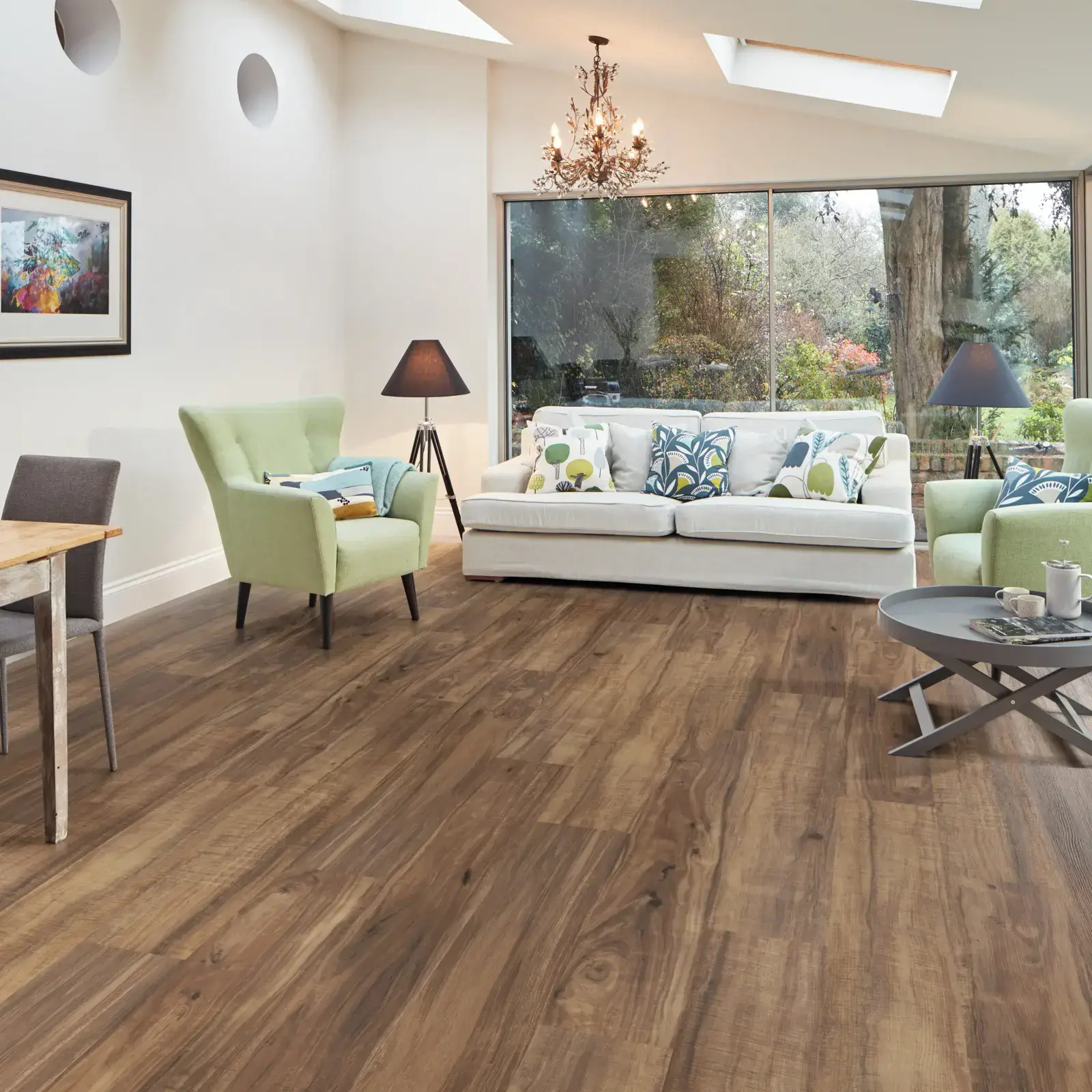
Wood-Look LVP
Realistic wood-grain visuals and textures, the look of hardwood without the worry.
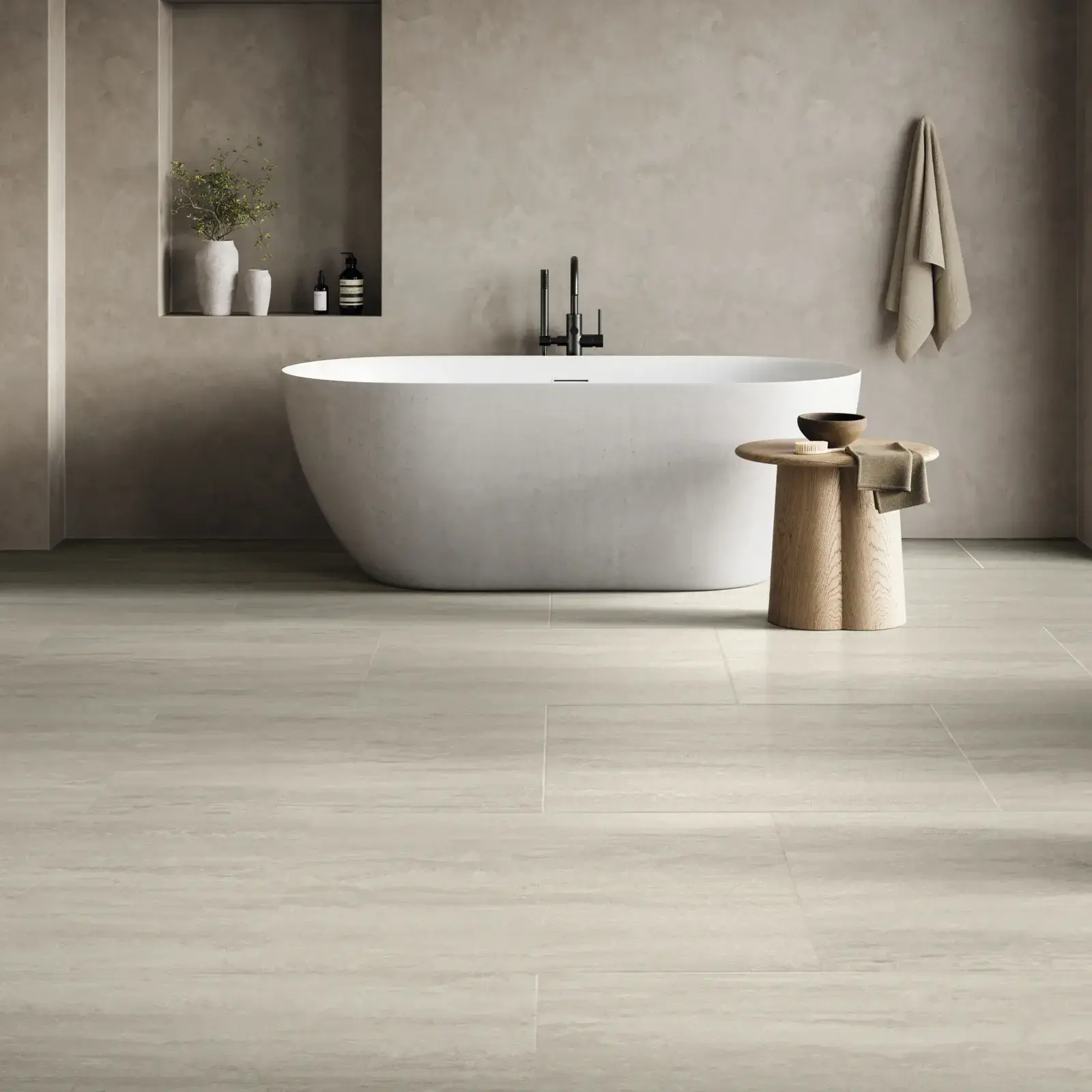
Stone-Look LVP
Travertine, slate, and marble visuals with the warmth and softness of vinyl underfoot.
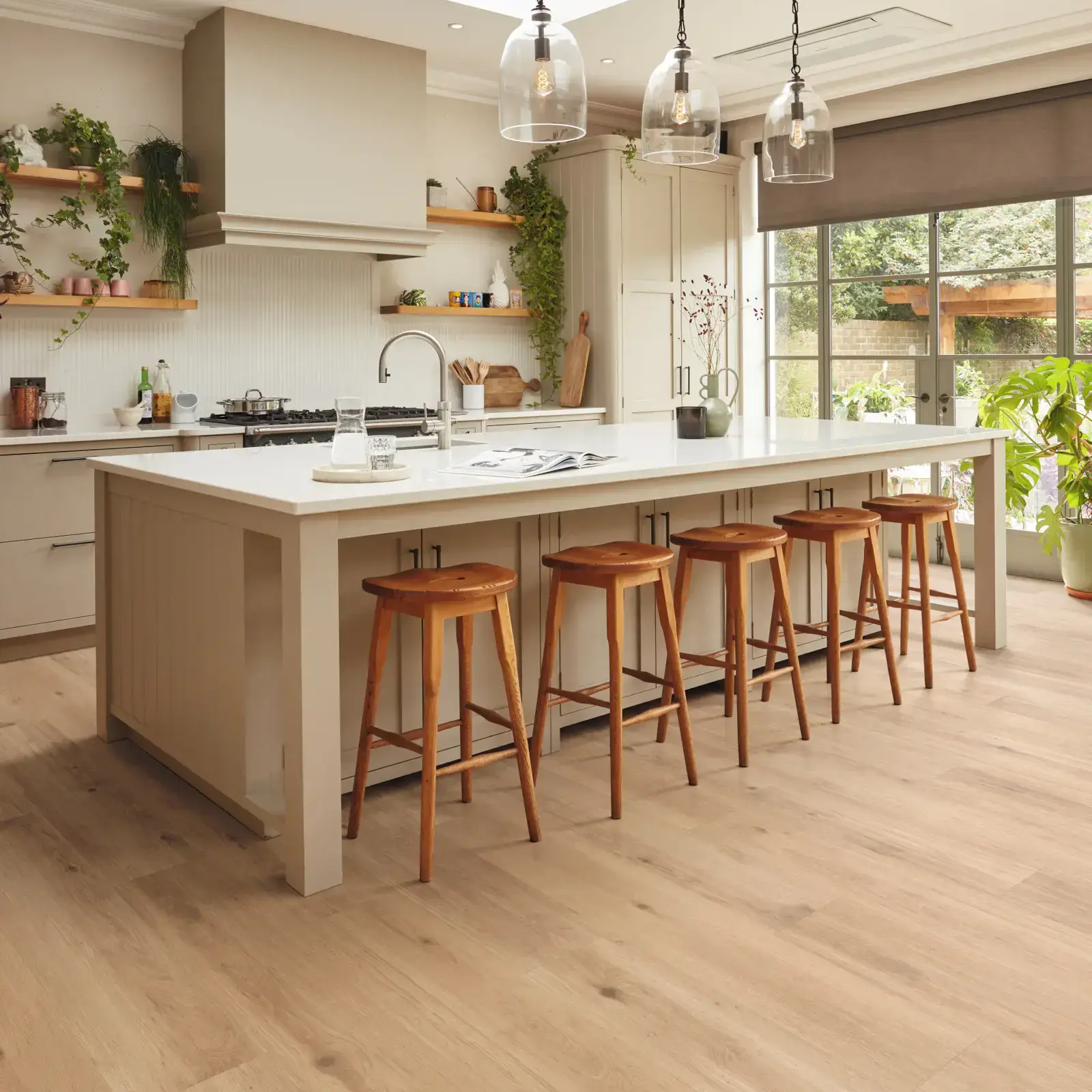
Kitchen LVP
Waterproof flooring that handles spills, drops, and high traffic.
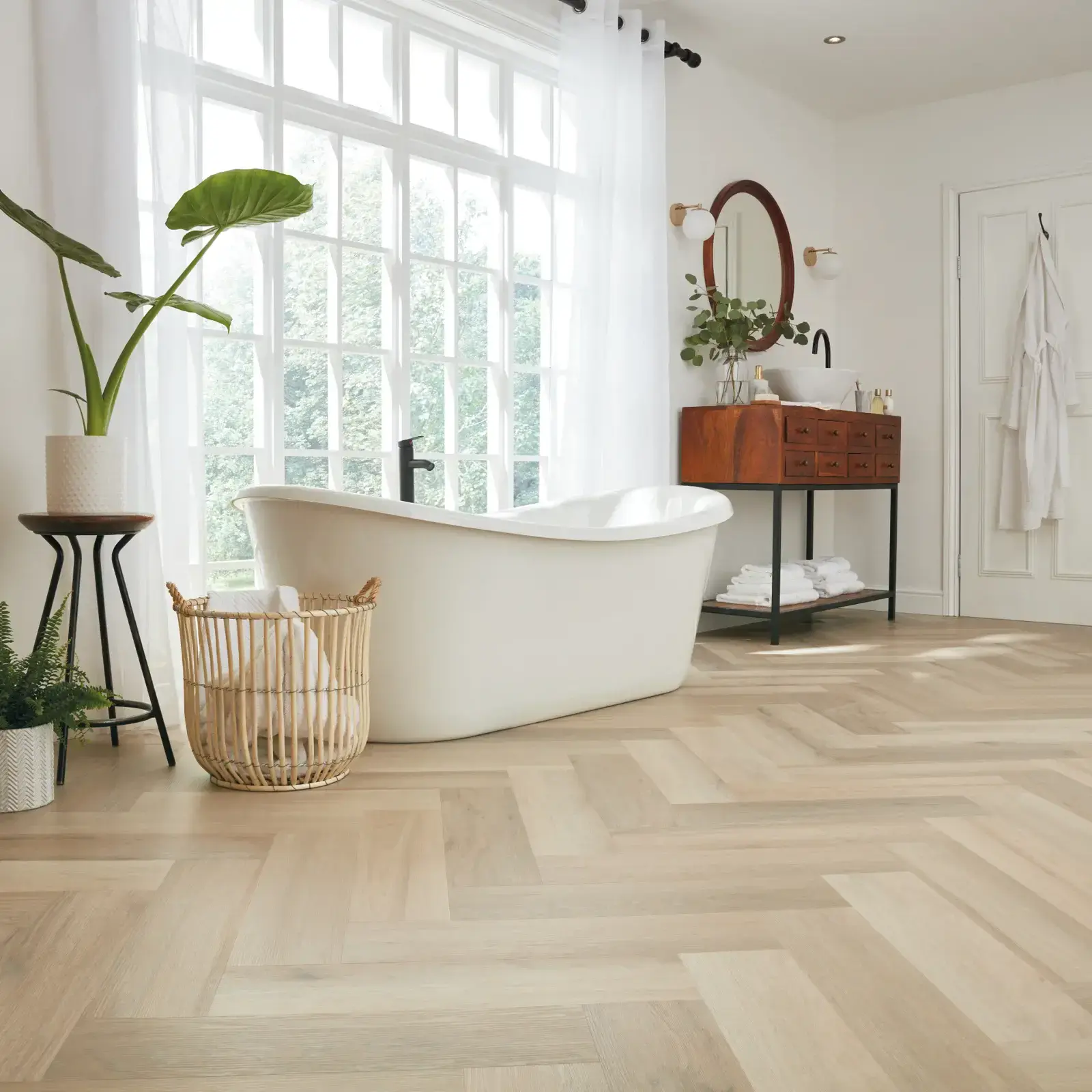
Bathroom LVP
100% waterproof options that look like wood or stone in any bath.
Luxury Vinyl Plank Guide
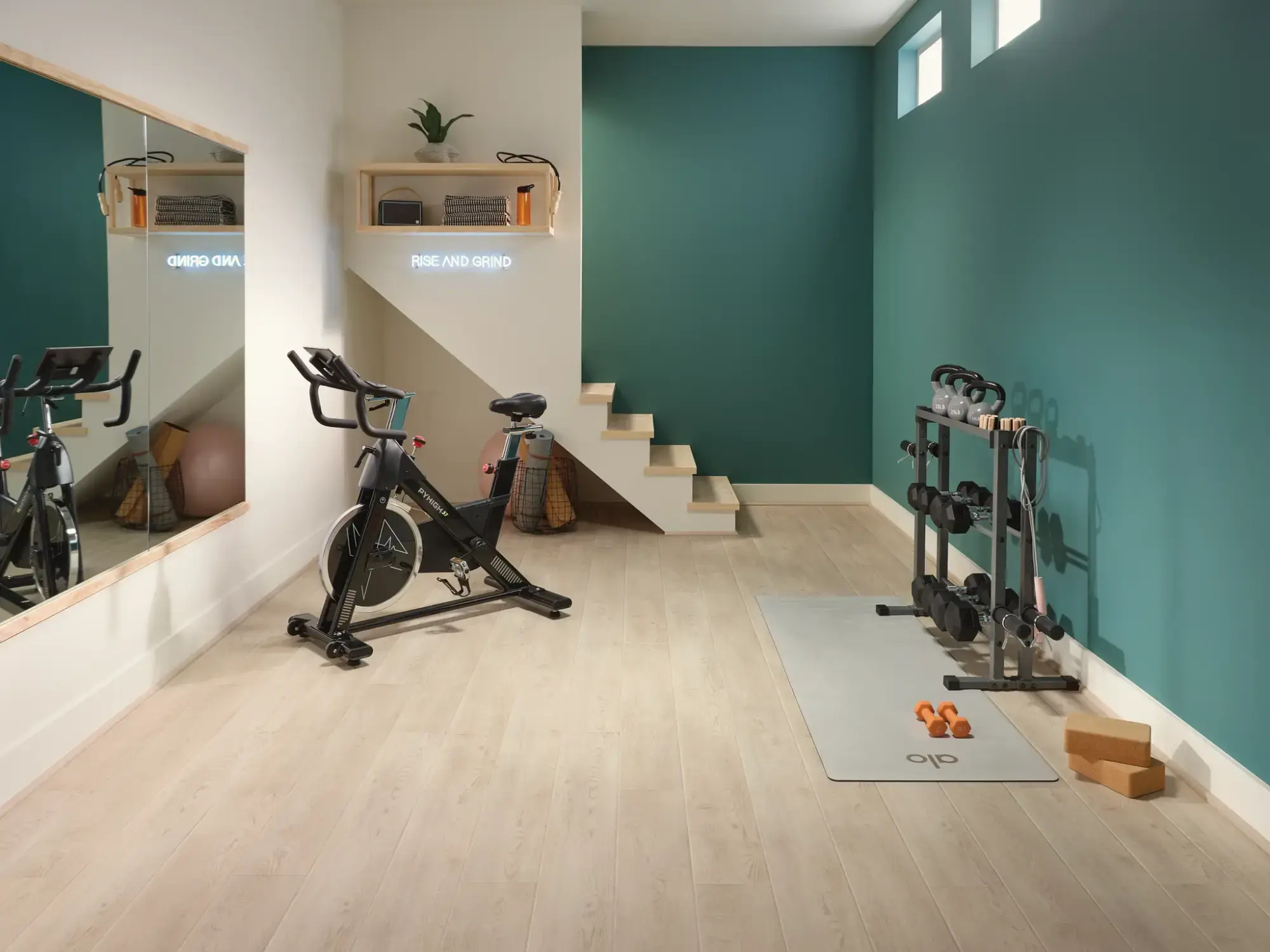
Ready to Have Luxury Vinyl Plank Installed in Your Amador County Basement?
Below-grade basements are the room where LVP outperforms every other hard-surface and soft-surface category. Concrete slabs sweat seasonally as the ground around them swings through temperature ranges that wood-based products cannot tolerate. Carpet over a basement slab grows mildew when slab moisture migrates upward. Engineered hardwood over a basement slab can cup or gap as humidity cycles. Traditional laminate can swell at the seams. Waterproof rigid-core LVP (SPC or WPC) sidesteps all of those failure modes because its core is non-organic, non-absorbent, and dimensionally stable across the temperature swings a basement slab actually experiences. Amador County homeowners in Sutter Creek, Jackson, Pine Grove, and Martell finishing basements as guest suites, family rooms, home offices, or game rooms install waterproof LVP click-lock over a vapor-managed slab assembly because it gives them a hard-surface floor that looks like wood or stone and does not fail when the slab does what slabs do.
Read the full luxury vinyl plank guideShow less
The right basement LVP install starts with slab moisture testing and vapor management, not with picking the plank. Concrete slabs continuously emit moisture vapor, and a properly prepared basement install requires either a calcium chloride test or a relative humidity probe test to confirm the slab is within the LVP manufacturer's emission limits before installation. If the slab exceeds those limits, a vapor barrier sheet (typically 6-mil polyethylene or a manufacturer-approved equivalent) or a liquid-applied moisture mitigation membrane is installed over the slab before the LVP underlayment goes down. SPC cores are usually preferred in basements over WPC because the higher density and lower thermal expansion handle slab temperature swings with less dimensional movement, which keeps the floating-floor field flat over years of seasonal cycling. Click-lock floating installation is the default method (no glue to the slab), which lets the floor expand and contract independently of the concrete. Perimeter expansion gaps are required and get covered with quarter-round or shoe molding at the baseboard. Compared to traditional laminate, basement LVP does not swell if vapor mitigation is incomplete or if a future plumbing leak hits the floor; compared to carpet, basement LVP does not grow mildew or trap musty smells the way pad and fiber assemblies do over time. The result is a finished basement floor that holds its look across years rather than telegraphing every seasonal slab cycle. Visit the parent luxury vinyl plank category for the SPC vs WPC breakdown and the broader waterproof LVP overview, and stop by our Sutter Creek showroom to talk through vapor barriers, slab testing, and core selection before scheduling a basement install.
Ready to Transform Your Home?
Get a free estimate from our experienced team. We've been helping Gold Country homeowners since 1976.