
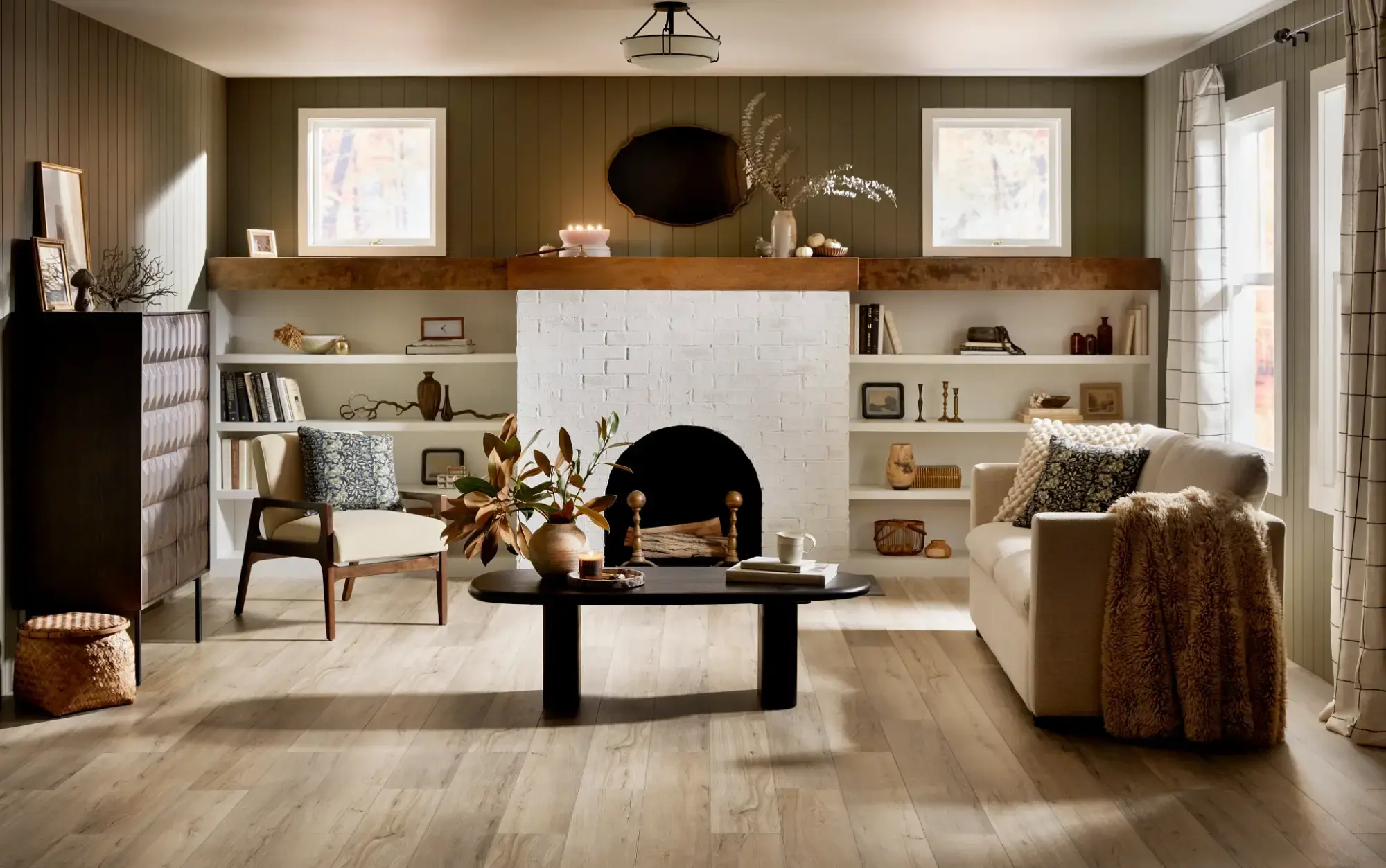
Waterproof floors for kitchens, baths, pets, and busy households. We'll help you pick an LVP that looks right in your light and holds up to your routine.
Luxury vinyl plank has become one of the most popular flooring choices in the country, and for good reason.
Modern LVP is waterproof, scratch-resistant, and produced with realistic visuals and textures that hold up to kids, pets, and everyday life.
We carry trusted brands like COREtec and Karndean. See them all in our Sutter Creek showroom or schedule a free in-home estimate.
The Luxury Vinyl Plank We Carry
Browse our actual luxury vinyl plank selection and preview any style on your own floors with our room visualizer.
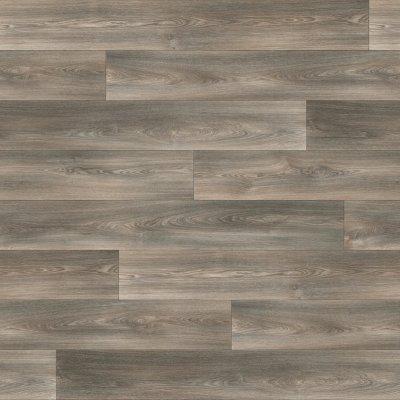
Hayden
Abbey Carpet
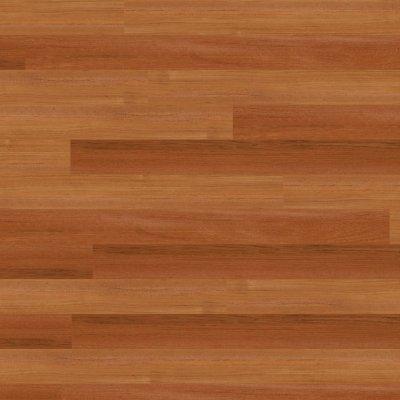
Gallant Act
Abbey Carpet
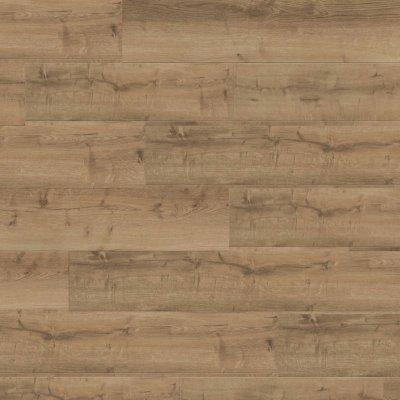
Clear Creek
Abbey Carpet
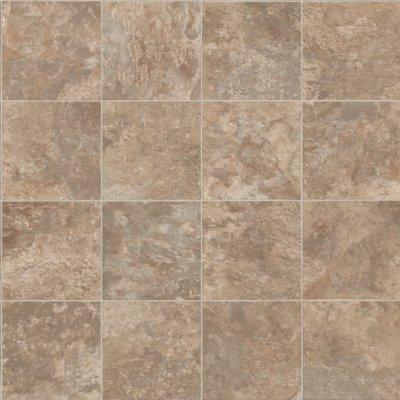
Carlton
Abbey Carpet
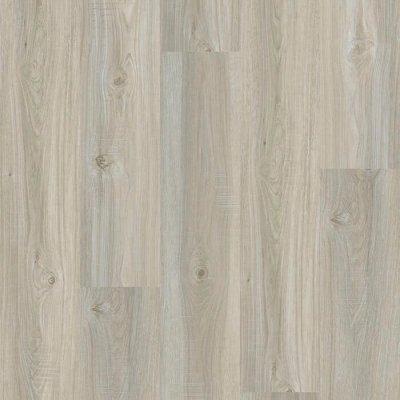
Marlowe
Abbey Carpet
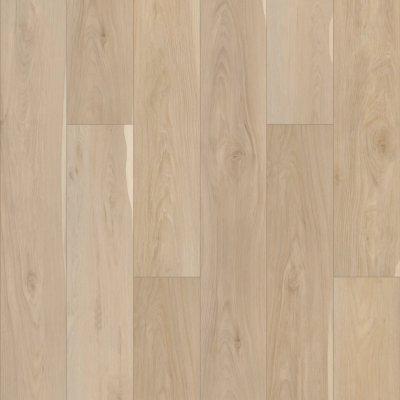
Pelican Cove
Abbey Carpet
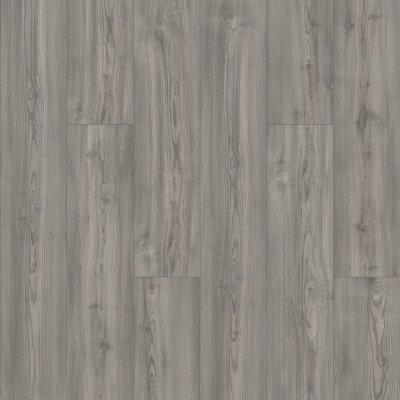
Trinity Estate 7
Revolutionary Resilient
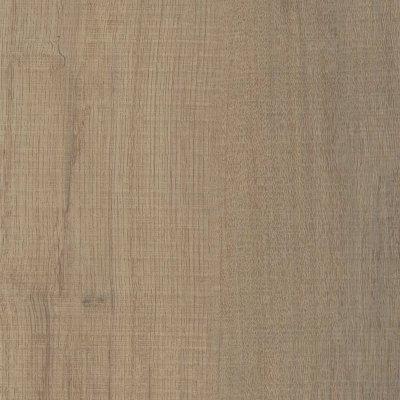
Crosspoint Click
Revolutionary Resilient
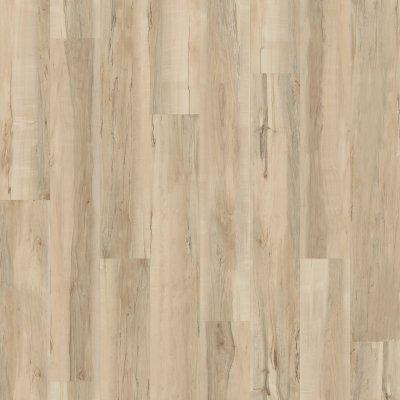
Travern
Revolutionary Resilient
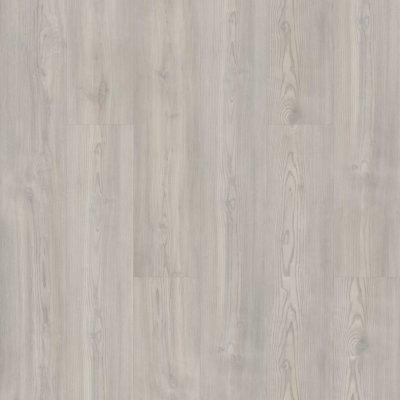
Travern Plus 20
Revolutionary Resilient
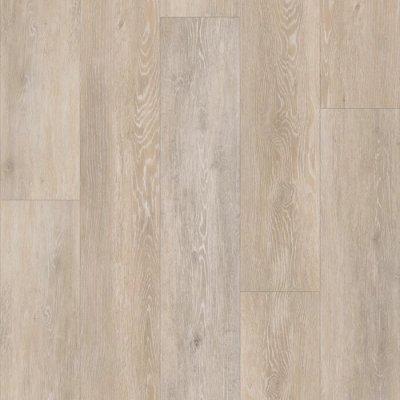
River Grove 7"
Abbey Carpet
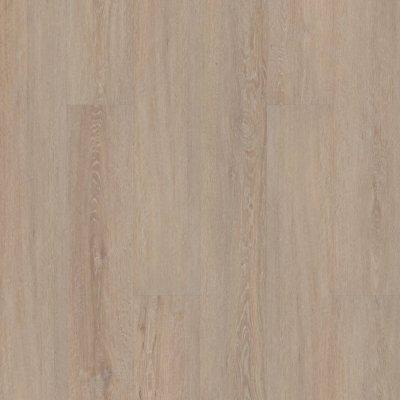
Willow Reserve
Abbey Carpet
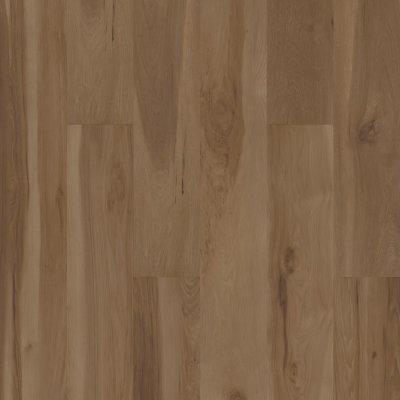
Cottage Point 7"x48"
Abbey Carpet
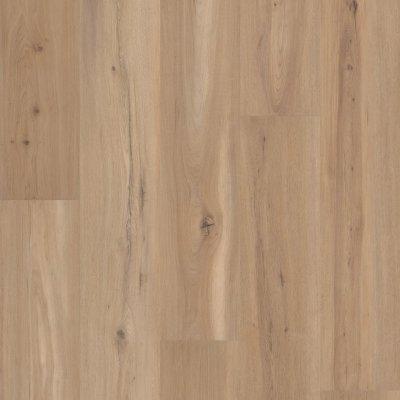
Lakewood Hills 9"x72" 20 mil
Abbey Carpet
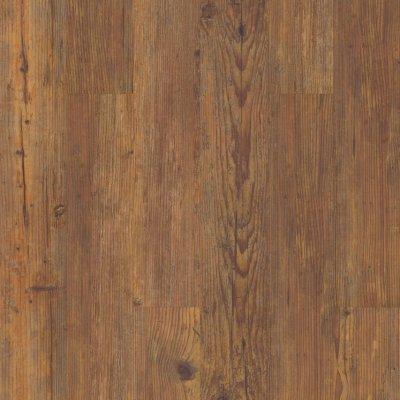
River Grove 5"
Abbey Carpet
Find the Right Luxury Vinyl Plank
Start from a style you like or the project you have in mind. Every option below links to a deeper guide.
Shop by style
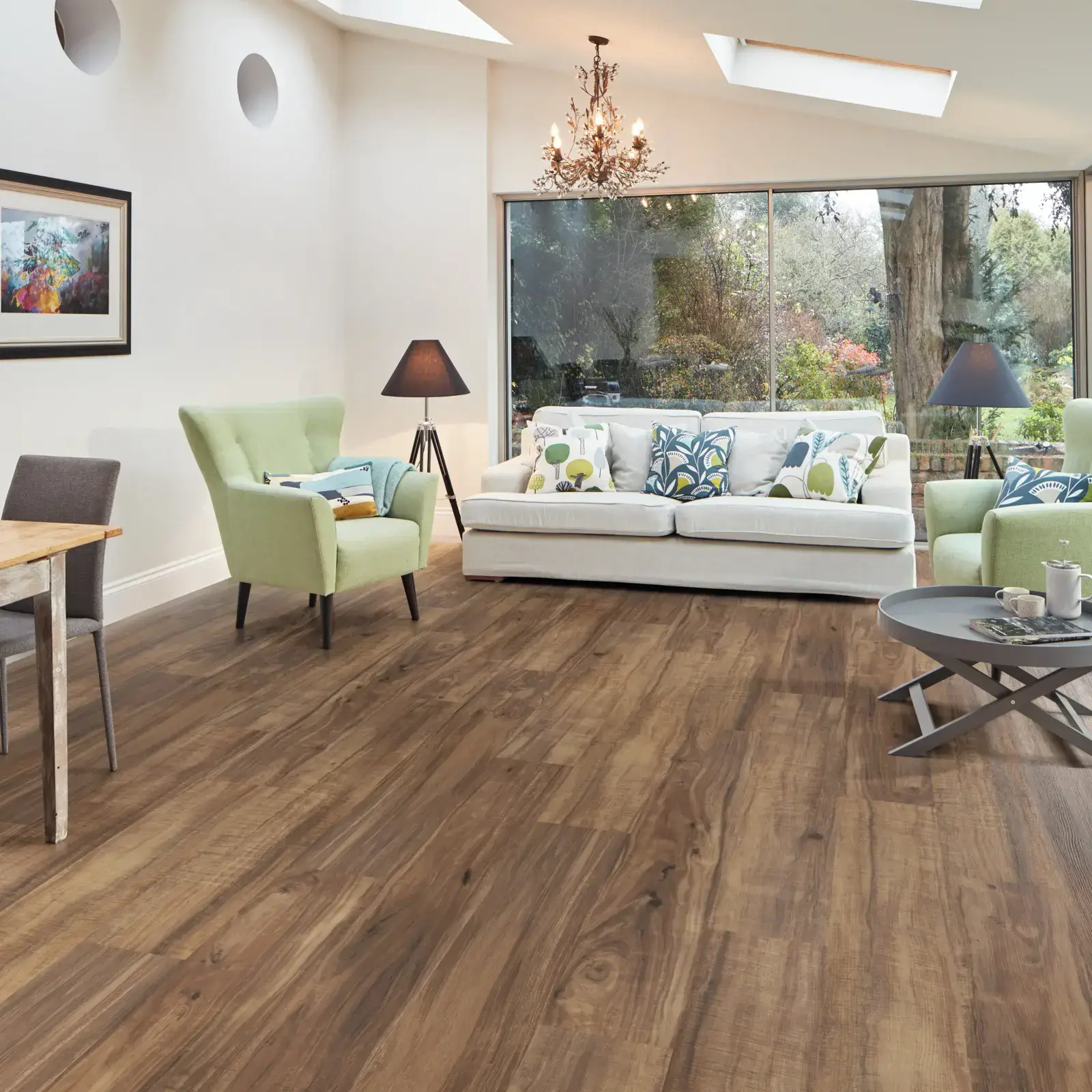
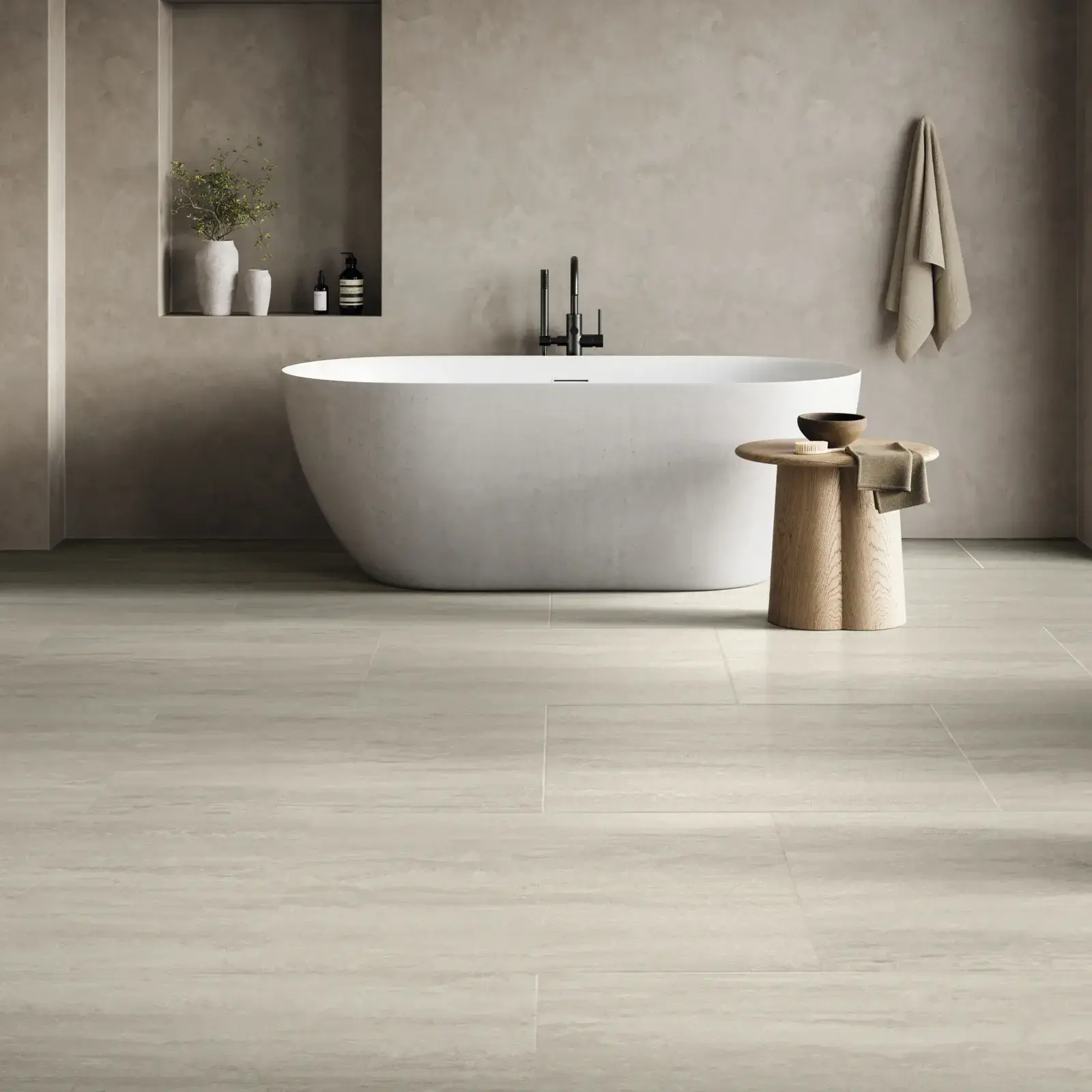
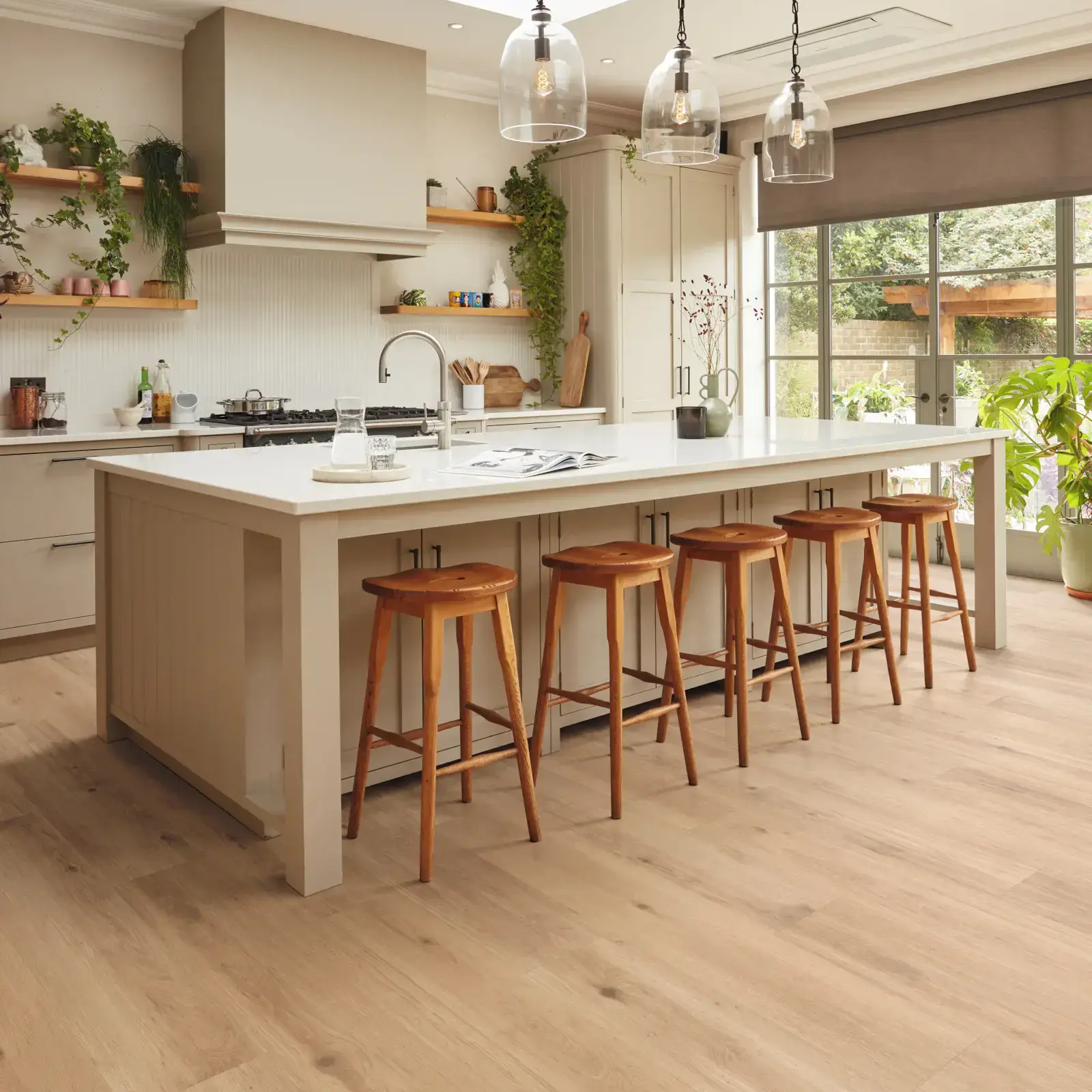
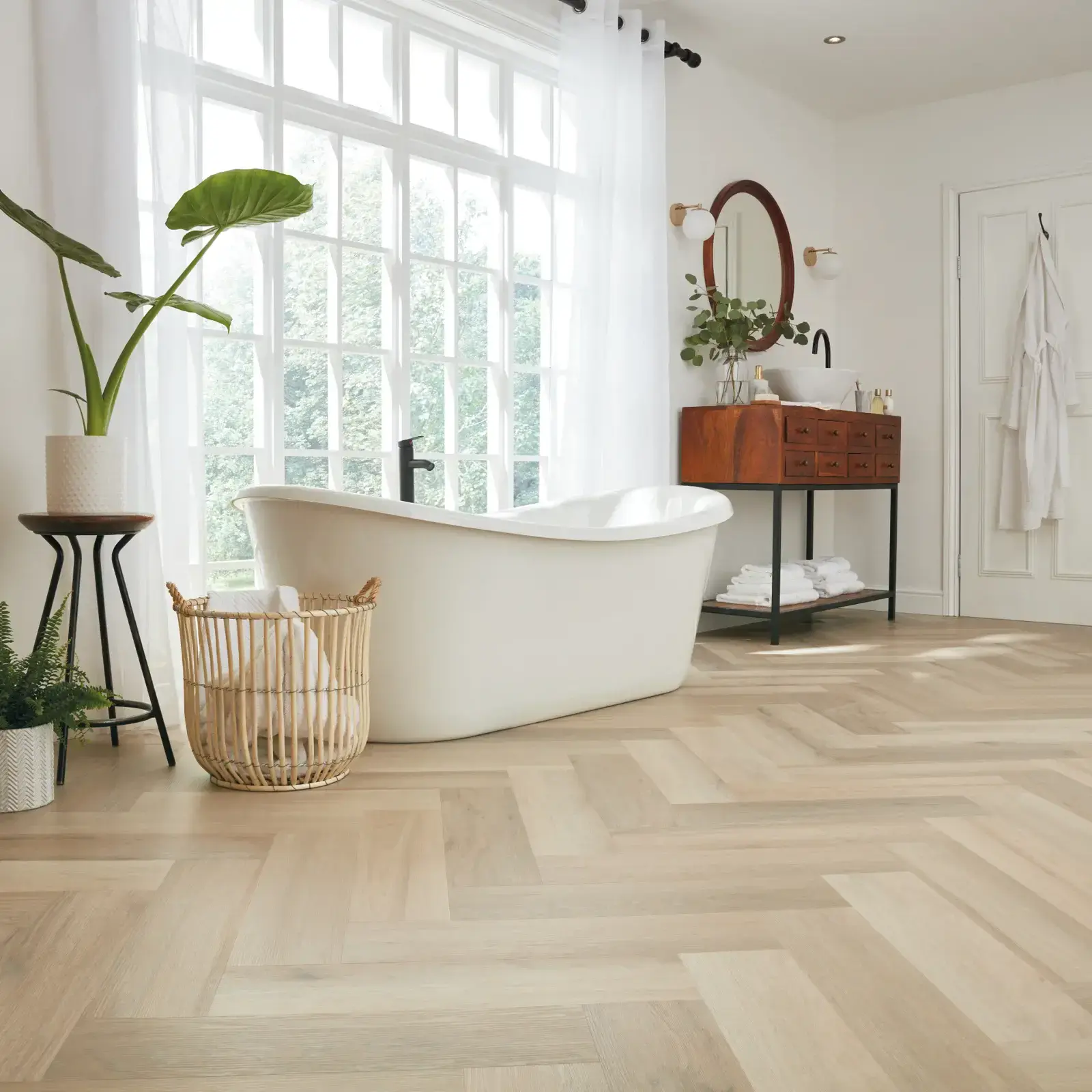
Shop by project
Featured luxury vinyl plank brands, all in our Sutter Creek showroom






50 years in Amador County · Lifetime warranty · Free in-home estimates
Rated 4.8 from 89 Google reviews
“When they came to take out the carpet at our entry way, they found the wood was wet, they quickly realized we should let it dry prior to putting in the LVP. When it dried, they were quick to squeeze us into their schedule. They completed the install, and it is beautiful!”
01 / 02
Your New Luxury Vinyl Plank in 3 Simple Steps
 Step 1
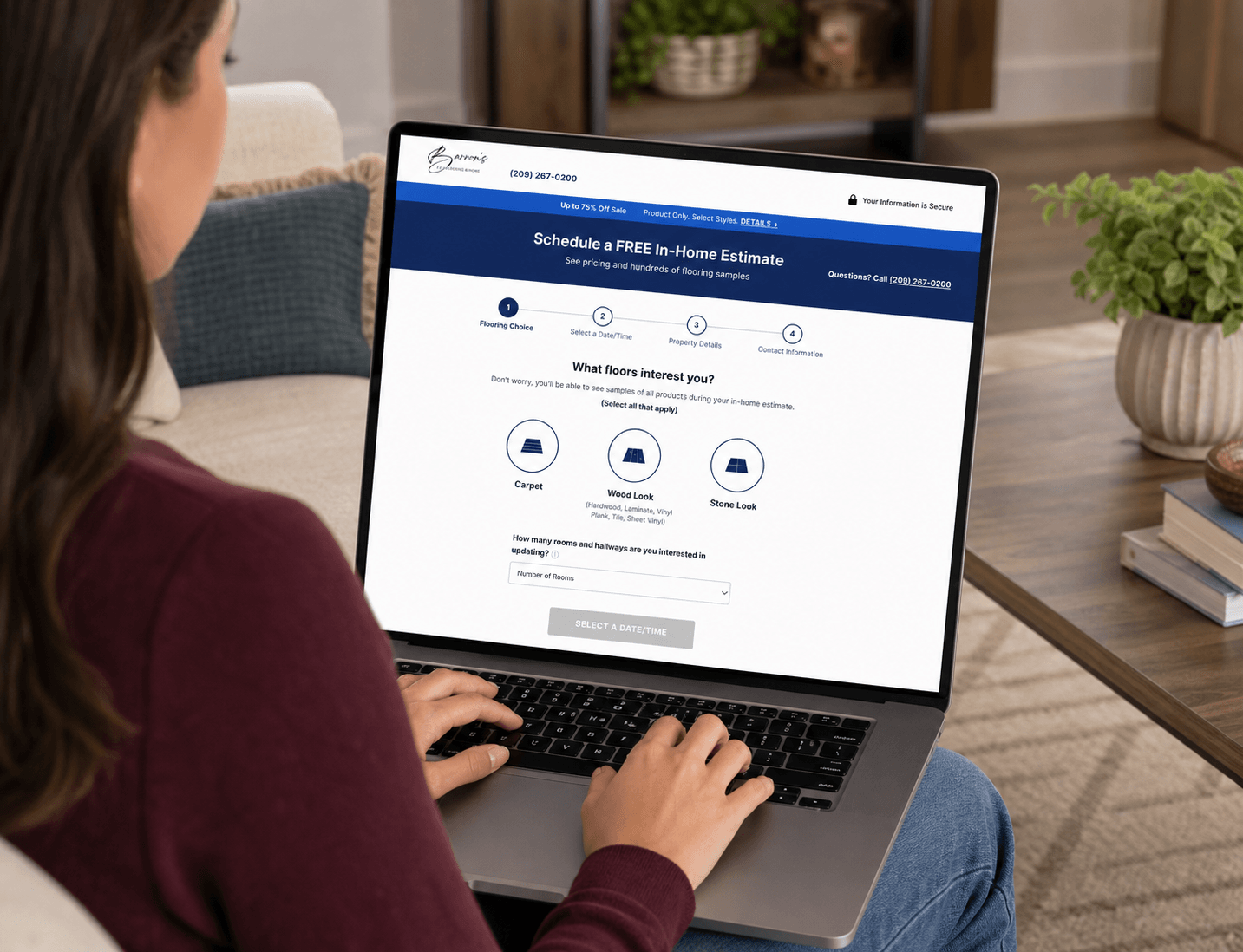
Free In-Home Estimate
We come measure, bring samples, and give you an honest written estimate at no cost.
 Step 2
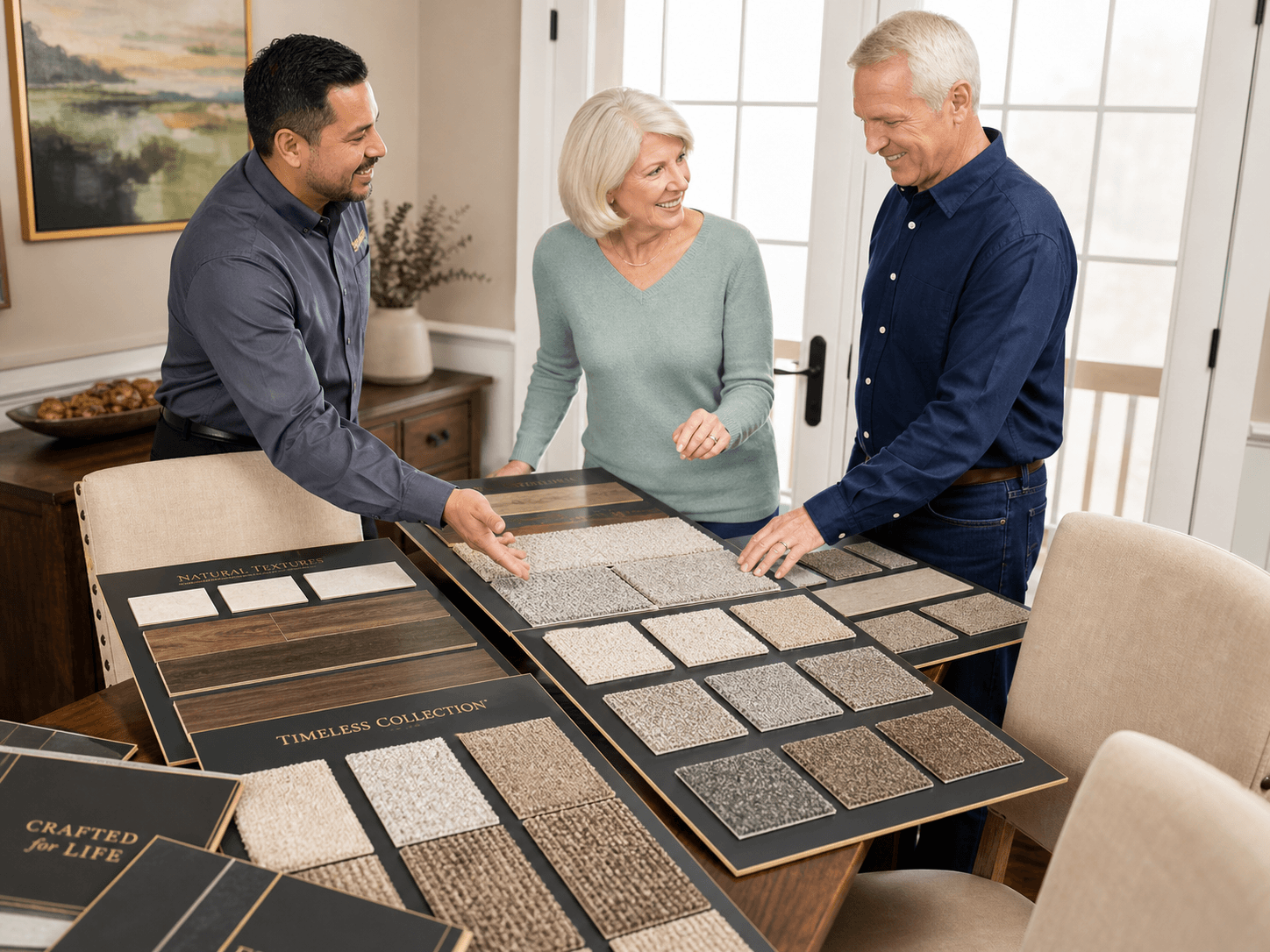
Pick Your Floors with Expert Help
Browse our Sutter Creek showroom or work with samples at home, our team helps you find the right product for your space and budget.
 Step 3
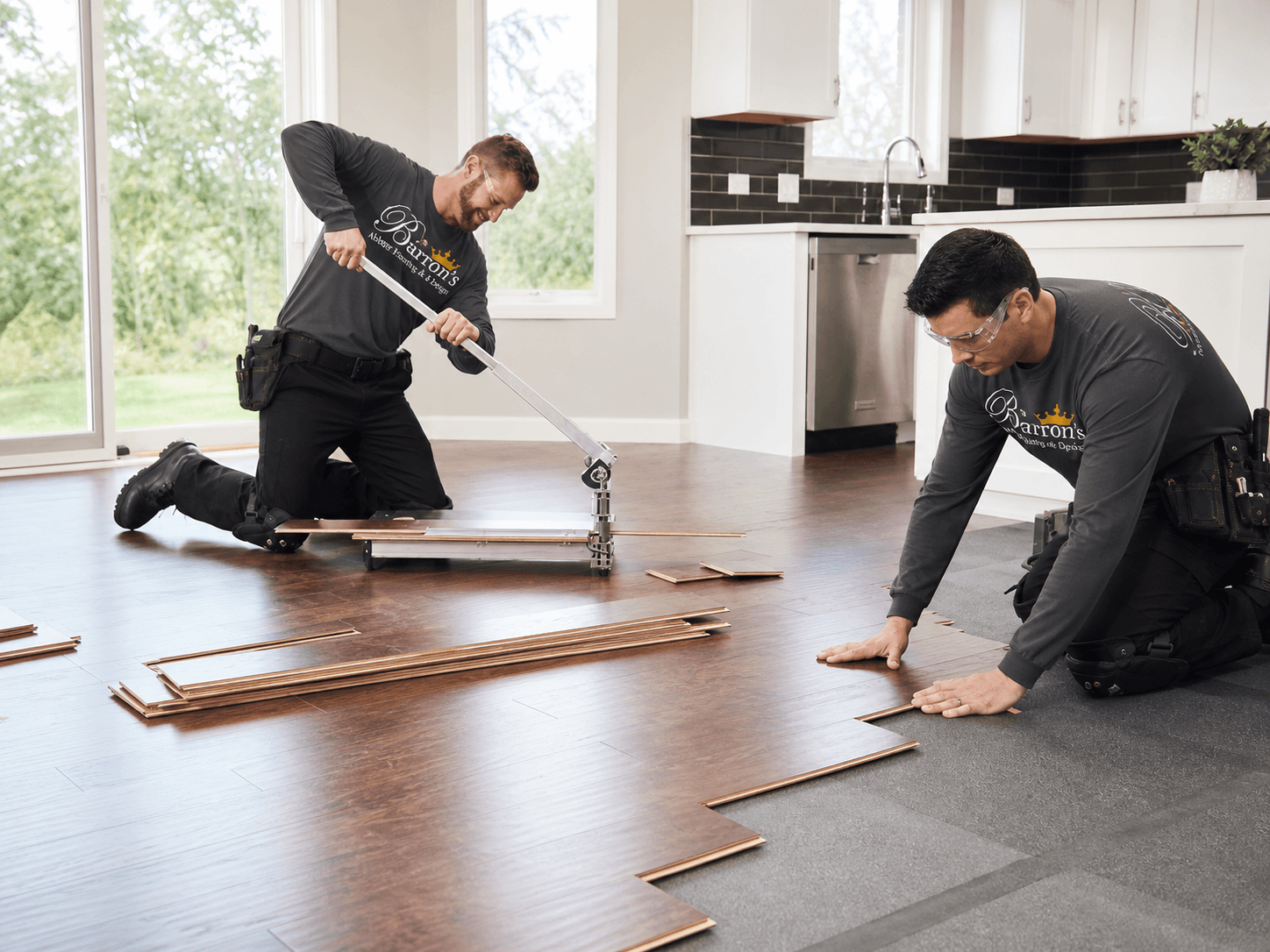
Professional Installation
Our experienced installers handle removal, prep, install, and cleanup, backed by our lifetime workmanship warranty.
Floors Now, Pay Over Time
Financing on approved credit makes your project affordable today. Ask about current promotions in our Sutter Creek showroom.
Luxury Vinyl Plank FAQs
Is LVP really waterproof?
How does LVP compare to laminate?
Can LVP go over my existing floor?
How long does LVP last?
Is LVP good for homes with pets?
How do I clean LVP?
Do you offer financing?
Luxury Vinyl Plank Guide
Luxury Vinyl Plank: How It's Built, Why It Works, and Where It Fits
Luxury vinyl plank, almost universally called LVP, has become the fastest-growing flooring category in the past decade for good reason. Modern LVP is fully waterproof, scratch-resistant, comfortable underfoot, and visually convincing enough that side-by-side comparisons with engineered hardwood often require a close look. The category is built around a layered construction that combines a clear wear surface, a high-resolution decorative print, and a rigid or flexible core, producing a plank that handles real-life moisture and traffic better than any wood, laminate, or sheet vinyl product before it. Amador County homeowners install LVP throughout the home, including in places where hardwood and laminate would fail: full bathrooms, mudrooms, laundry rooms, kitchens prone to spills, and below-grade finished basements.
Read the full luxury vinyl plank guideShow less
How LVP is constructed
An LVP plank stacks four functional layers. The top is a clear urethane wear layer that resists scratches, stains, and UV fading. Wear-layer thickness is measured in mils (one mil equals 1/1000th of an inch), with 12 to 22 mil suitable for residential traffic and 28 to 30 mil rated for commercial use. Below the wear layer sits the printed decorative film, typically a photorealistic image of wood grain or stone with embossed texture that can be felt as well as seen. The third layer is the structural core, which is the most important variable in how the plank performs. The bottom layer is a balance backing or attached underlayment that adds rigidity, sound dampening, and a moisture barrier.
SPC vs WPC vs flexible LVP cores
The plank's core determines its performance and pricing. SPC (stone polymer composite) is the densest and most rigid construction, using limestone powder bound with PVC. SPC planks are thin, dimensionally stable, fully waterproof, and the most affordable rigid construction. They are the dominant category in new LVP installations because the rigidity hides subfloor imperfections that would telegraph through softer planks. WPC (wood polymer composite) uses a foamed PVC core with wood-fiber filler, producing a thicker, softer-underfoot plank with similar waterproof performance but higher cost and slightly more give underfoot. Flexible LVP is the original construction, glued or loose-laid, used most often in commercial settings and in homes where the floor needs to conform to a slab with minor unevenness. Most premium residential LVP today is SPC or WPC.
Where LVP works (and the few places it doesn't)
LVP works almost everywhere in a residential setting. The waterproof construction makes it the strongest choice for full bathrooms, kitchens, mudrooms, laundry rooms, and below-grade finished basements where moisture would damage hardwood, laminate, or carpet. It also performs well in family rooms, hallways, bedrooms, and home offices, especially when the household includes pets or kids. The few places LVP does not work as well: rooms with significant sun exposure across long stretches of plank (heat-sensitive cores can expand and gap, though modern SPC has largely solved this), outdoor or unconditioned spaces (LVP is rated for indoor use only), and rooms where you want the warmth and acoustic character of real wood underfoot. For everywhere else, LVP is the most forgiving flooring category on the market.
What makes LVP worth choosing
LVP combines a set of practical advantages no other flooring category matches:
- Fully waterproof. SPC and WPC cores cannot absorb water, which means kitchen spills, bathroom splashes, and basement seepage will not damage the floor.
- Scratch resistant. A 20-mil wear layer handles pet claws, dropped silverware, and dragged furniture better than most hardwood finishes.
- Realistic visuals. Modern decorative printing produces wood and stone visuals that are convincing at any distance, with embossed-in-register textures that match the grain pattern.
- Comfortable underfoot. Unlike tile, LVP has slight give and stays warmer to the touch, which makes it more comfortable for long periods of standing.
- Quick installation. Click-lock SPC and WPC planks install as a floating floor, with no glue or nails, often allowing a single room to be completed in a day.
Installation methods and what to expect
Most modern LVP is installed as a floating floor using click-lock edges, with the planks locking together at the joints and floating above the subfloor on either an attached or separate underlayment. Click-lock installation is fast and forgiving and does not require glue, nails, or staples to the subfloor. Glue-down installation is still used for flexible LVP, in commercial settings, and in situations where the subfloor needs the planks bonded for stability. Subfloor flatness matters less for SPC than for any other plank flooring (the rigid core spans minor variations), but high or low spots should still be corrected with self-leveler or grinding for a long-lived floor. Acclimation in the room of installation for 24 to 48 hours is recommended for most products. Quarter-round, transition strips, and shoe molding handle the transitions to walls, doorways, and adjacent flooring.
LVP vs engineered hardwood vs laminate
Three categories compete for the same shopper. Engineered hardwood wins on authenticity (real wood top), refinishing potential, resale value, and warmth underfoot, but it costs more and is less waterproof than LVP. Laminate wins on hardness and price (and matches LVP's photorealistic visuals), but traditional laminate is not fully waterproof and feels harder underfoot. LVP wins on waterproof construction, scratch resistance, and forgiveness across imperfect subfloors. The right choice depends on which trade-off matters most for the room. Visit our Sutter Creek showroom to handle COREtec, Karndean, Shaw, Mohawk, and Armstrong LVP samples side by side under real lighting before you commit.
Discover the Difference at Barron's Flooring & Home
Luxury vinyl plank has transformed flooring across Amador County, and Barron's Flooring & Home has been installing it since the category took off. From waterproof LVP in busy Jackson kitchens to wood-look planks throughout new homes in Martell and Sutter Creek, we've helped hundreds of local homeowners find the right product.
We stock LVP from category leaders like COREtec, Karndean, Shaw, Mohawk, and Armstrong. Today's LVP looks shockingly close to real wood and stone, but holds up to spills, scratches, kids, and pets in ways traditional flooring can't.
Stop by our Sutter Creek showroom to compare planks side by side, or schedule a free in-home estimate and we'll bring samples to you. Every installation is backed by our lifetime workmanship warranty.
Ready to Transform Your Home?
Get a free estimate from our experienced team. We've been helping Gold Country homeowners since 1976.