
50 years in Amador County · Lifetime warranty · Free in-home estimates
Rated 4.8 from 89 Google reviews
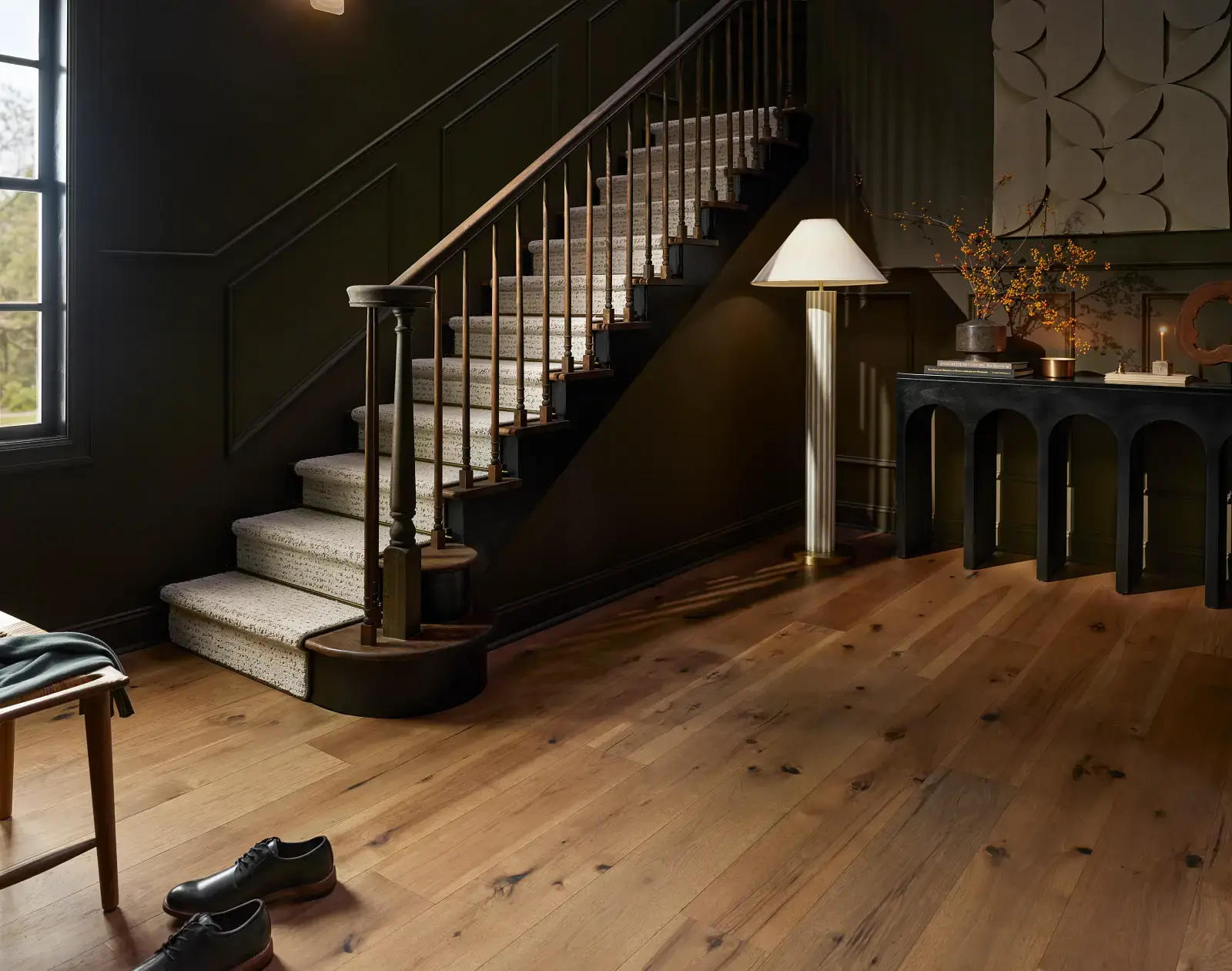
“We hired Barron's Abbey Flooring & Home to transform our entryway staircase, and they did an outstanding job. This wasn't just a simple carpet replacement — they removed all the old carpet, trim, and materials from each individual stair and completely rebuilt them with custom oak. Our staircase isn't straight; it has a curve, which made the project even more challenging. But their crew handled it with precision and craftsmanship that really impressed us.”
01 / 05
Related Hardwood Options
Explore other hardwood styles and projects we handle.
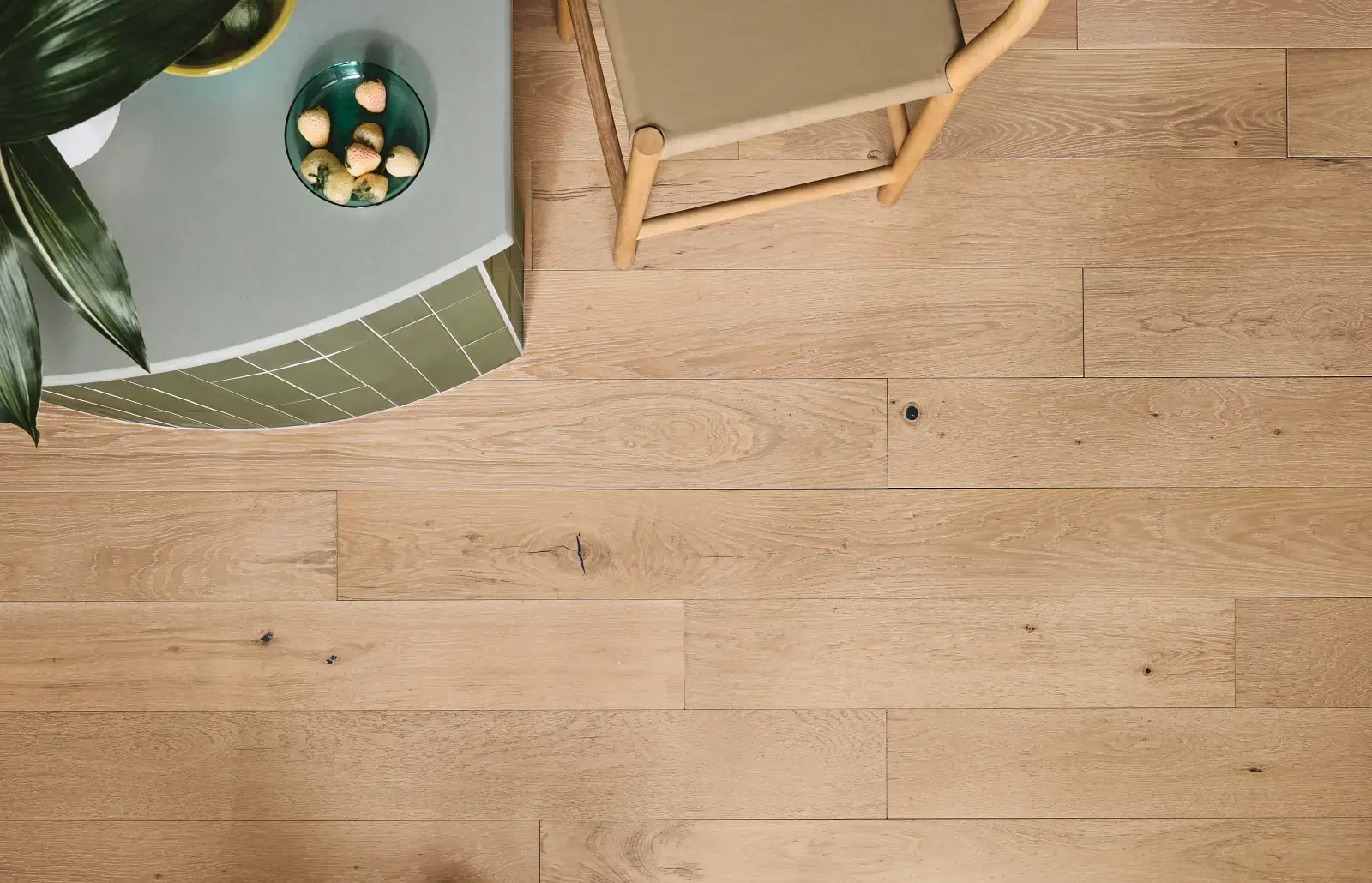
Solid Hardwood
Traditional milled-from-one-piece hardwood, refinishable for generations.
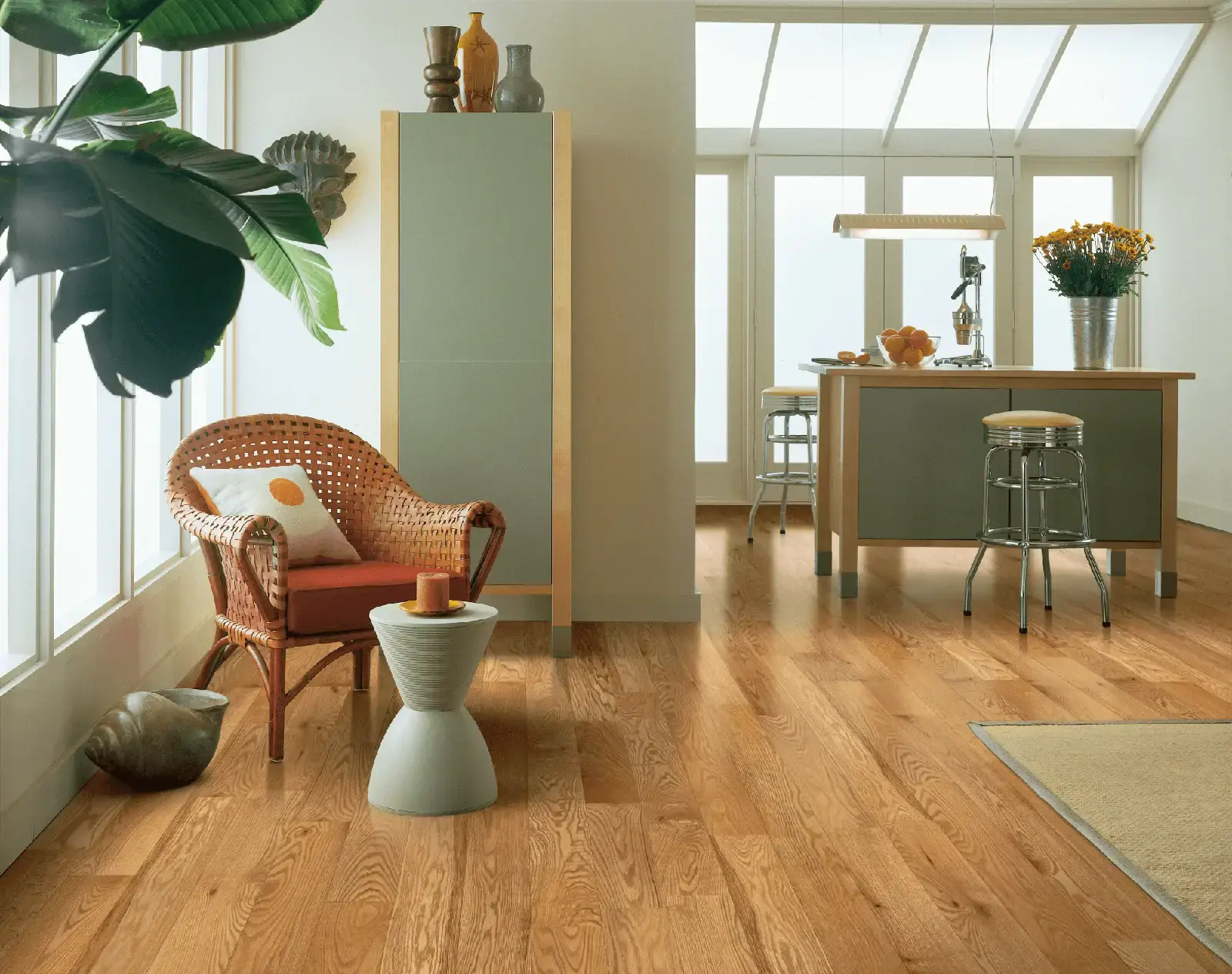
Engineered Hardwood
Real wood veneer over a stable plywood core, more forgiving in changing conditions.
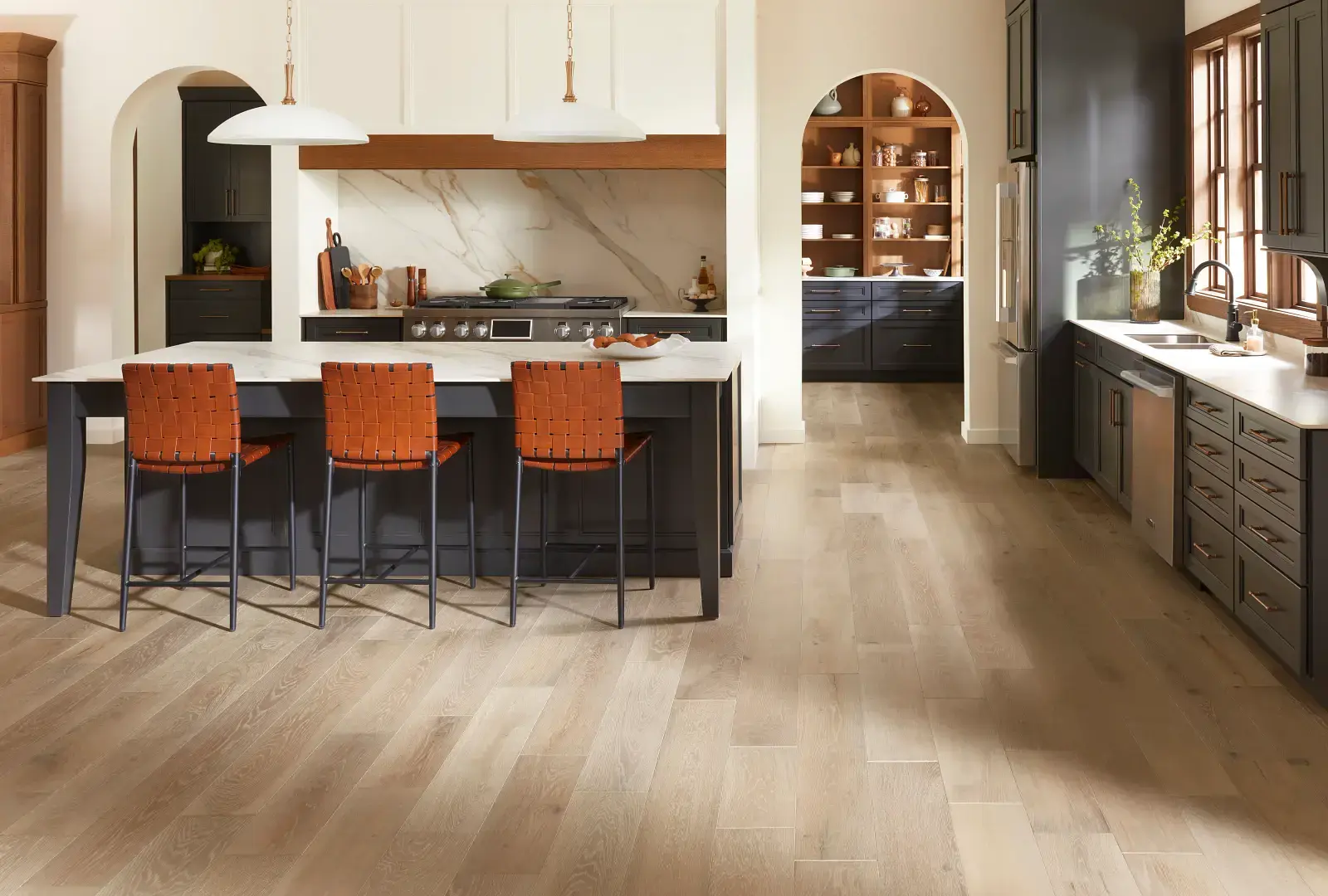
Hardwood Refinishing
Sand, stain, and seal existing hardwood to bring it back to life.
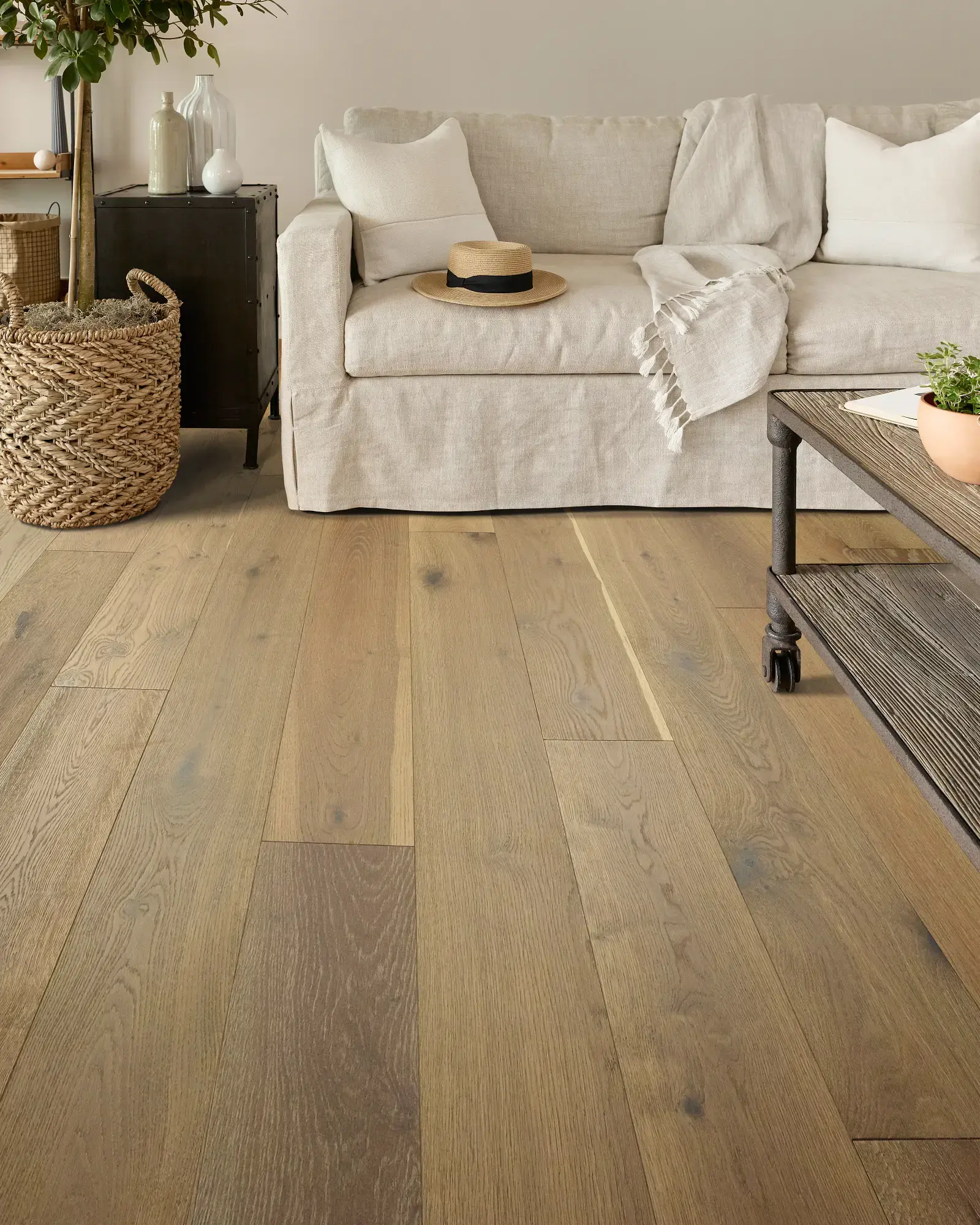
Living Room Hardwood
Warm, classic hardwood that anchors your main living spaces.
Hardwood Guide
Ready to Have Your Damaged Hardwood Floors Repaired in Your Amador County Home?
Hardwood repair covers everything between a full refinishing job and a full replacement. Most common scenarios include individual plank replacement after pet damage, dropped objects, or burn marks; gap filling between boards that have shrunk with age and humidity changes; dent repair through steam or wax filler; scratch touch-up with stain markers or color-matched putty; and patch repair where a heat register, transition strip, or built-in cabinet has been removed. Amador County homeowners in Sutter Creek, Jackson, and Pine Grove often combine board-level repairs with a screen-and-recoat to blend the repaired area visually with the rest of the floor, rather than pulling up the entire room.
Read the full hardwood guideShow less
The repair-versus-refinish-versus-replace decision usually comes down to depth, area, and source of the damage. Surface scratches and minor dents are touch-up repairs that take minutes per spot. Deep gouges, water damage that has cupped or crowned planks, and pet-urine staining that has soaked into the wood typically require board replacement. Structural subfloor issues (rot, joist sag, sustained moisture) require subfloor work before any flooring repair makes sense. Board replacement is the most involved common repair. The damaged board is cut out with a circular saw or oscillating multi-tool, the tongue is removed from the replacement plank so it can drop in from above (rather than slide in horizontally like new construction), and the new board is glued or face-nailed into place. Sourcing matching planks is the hardest part: older flooring often used species, widths, and stains that are no longer in production, which is why salvage planks from closet floors or other concealed areas are sometimes used as donors. For new installations, the standard practice is to order ten percent overage and store the extra planks for future repair use. Gap filling between aged planks uses flexible wood-tone fillers that move with seasonal humidity without cracking; rigid fillers crack out and have to be redone. Dent repair on softer species (walnut, cherry, pine) sometimes works by placing a damp cloth over the dent and applying a hot iron, which swells the crushed wood fibers back toward their original shape. Scratch touch-up with color-matched stain pens or putty handles most surface marks without sanding. For damage too widespread for spot repair, hardwood refinishing is the next step up, and full replacement is the answer for water-damaged or structurally compromised floors across the hardwood category. Visit our Sutter Creek showroom with photos and a sample of your existing floor and we can talk through whether spot repair, refinishing, or partial replacement is the right scope.
Ready to Transform Your Home?
Get a free estimate from our experienced team. We've been helping Gold Country homeowners since 1976.